
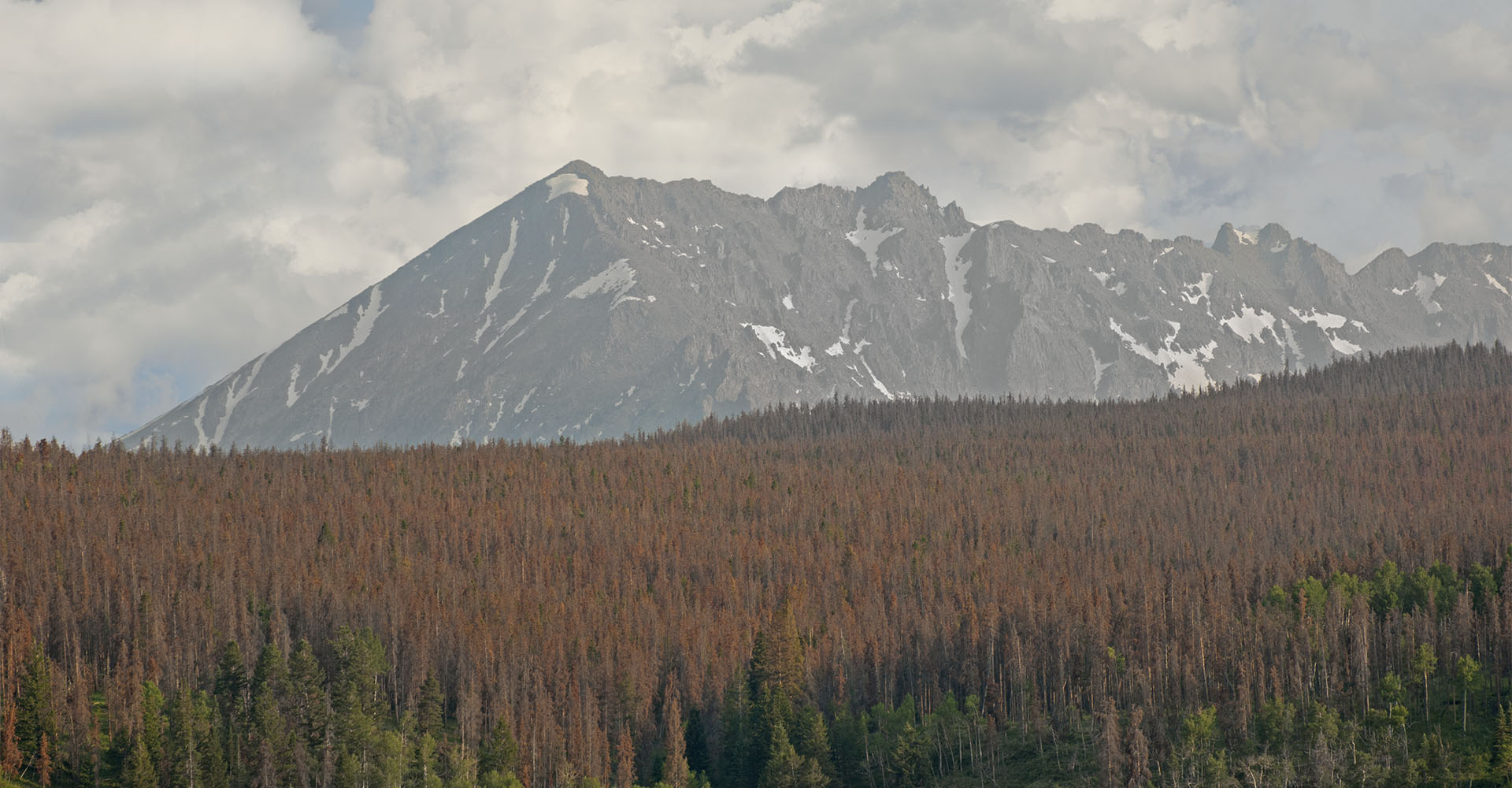
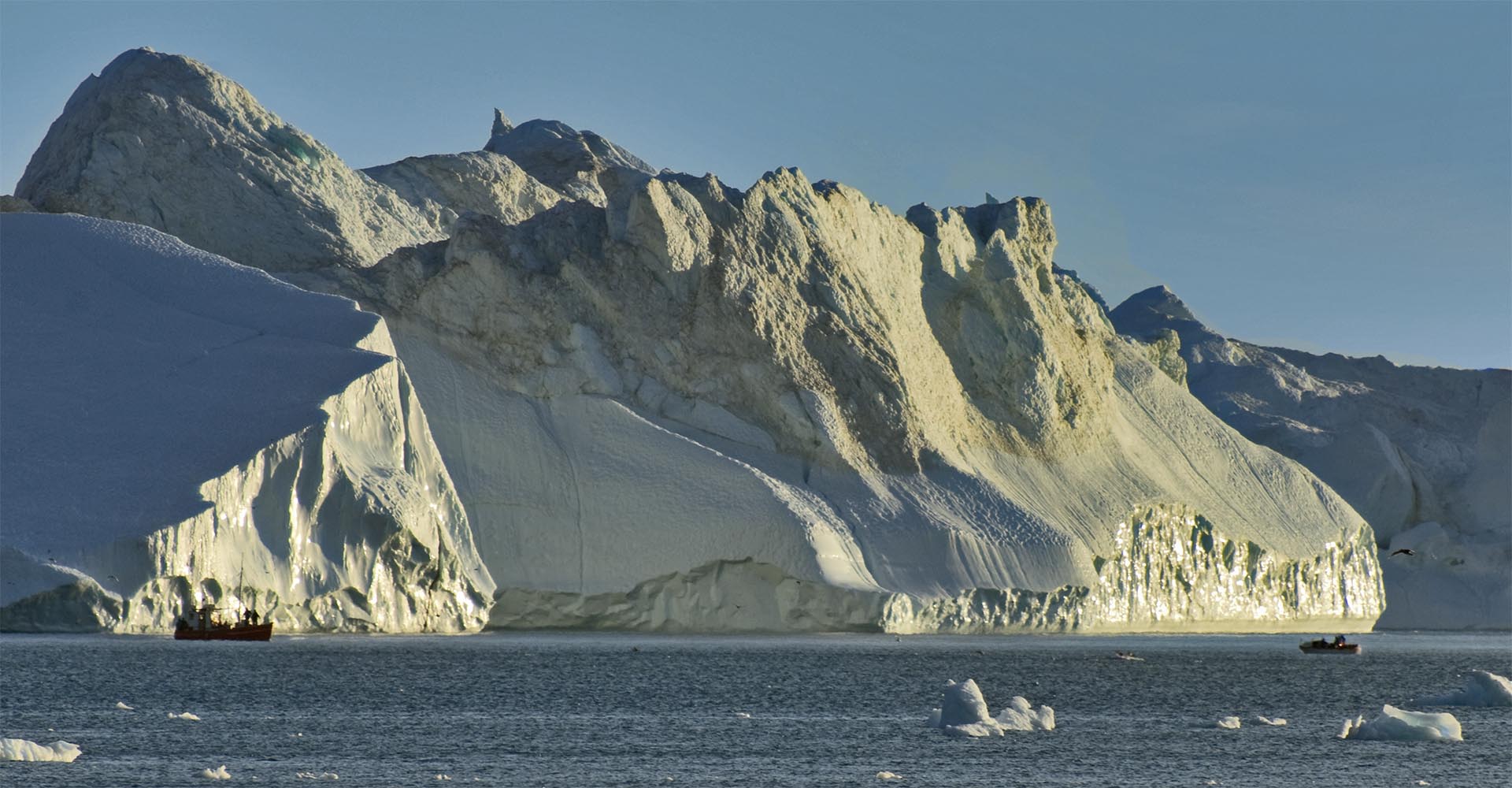
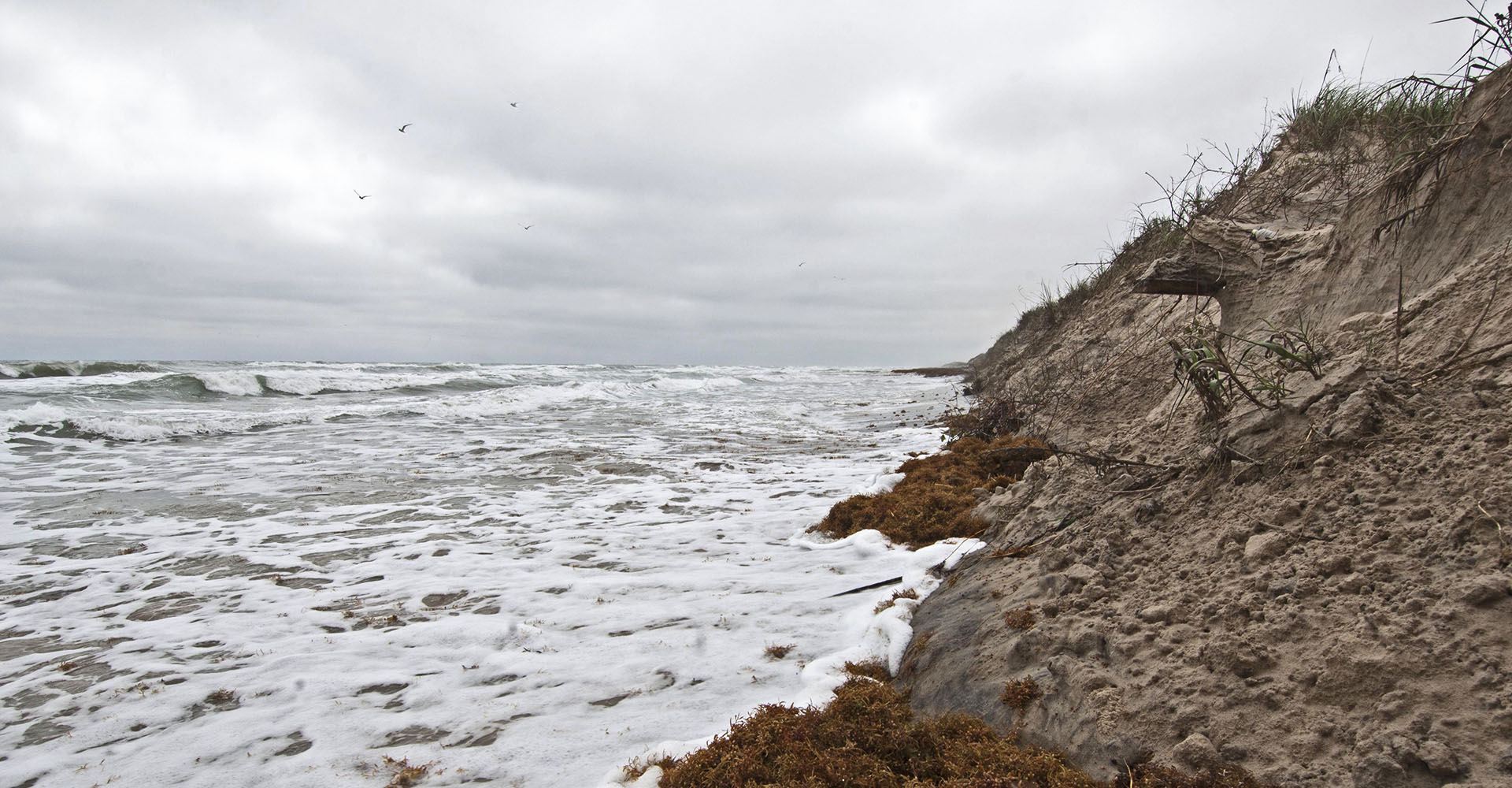
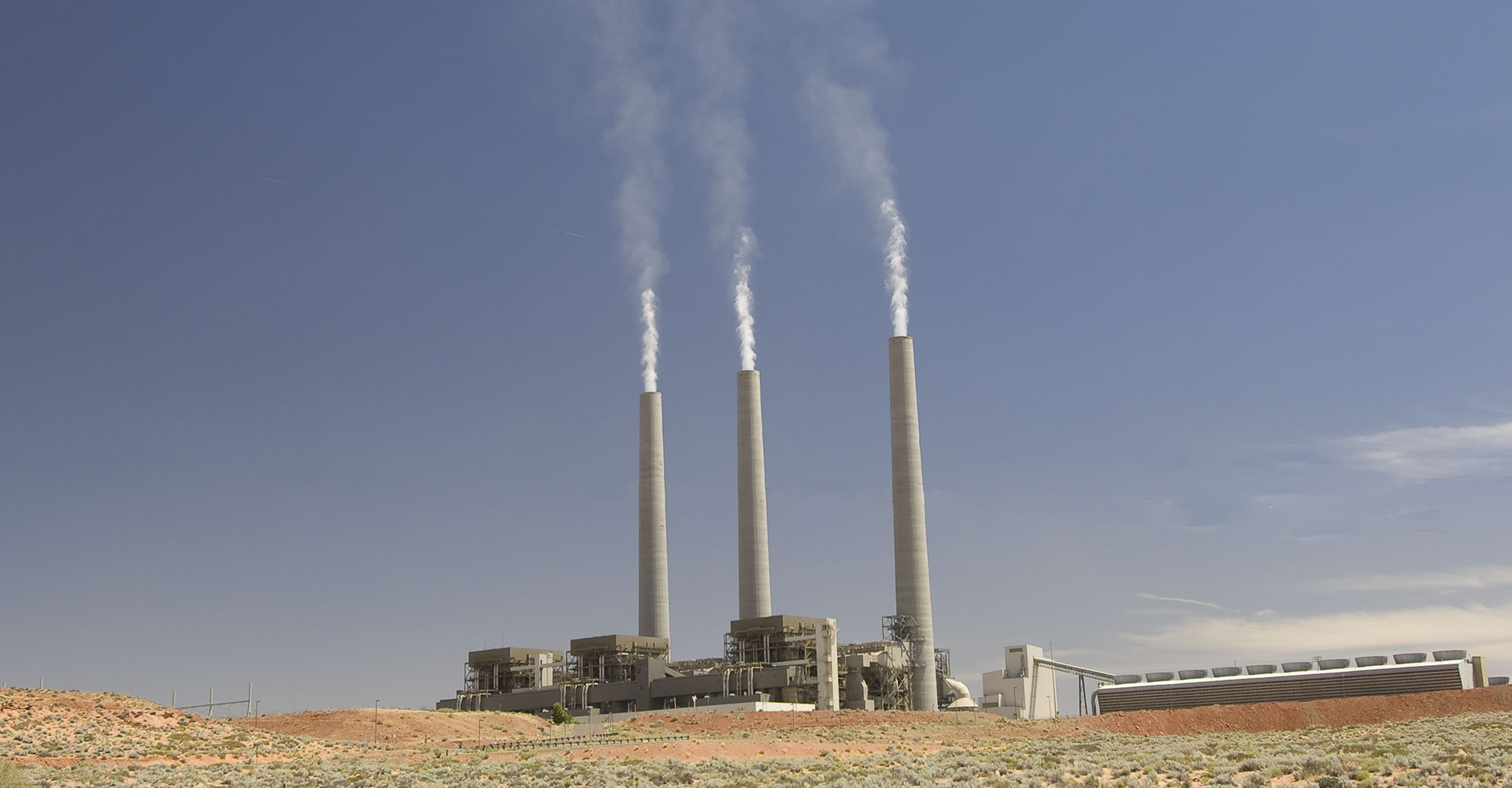
The perceived debate has devastated traditional climate science education The solutions however, are not what they seem New technologies are vastly more cost effective than this "perceived debate" implies Climate Change ... and will get much worse faster Are as bad -or worse- than they seem because of previous delay Impacts are no more costly than what we spend on advertising every year... Solutions Climate Discovery brings you the real science More robust than every before Using plain English The written word For more, swipe on, scroll down or click the menu From the field and from academia Films and music 92 million acres of forest killed: by a native beetle gone berserk because of warming. 500% increase: Greenland ice loss ... in last 10 years. Previously stable beaches already gone ... during normal, non-storm conditions. Research now shows that global cooling smog from coal has masked more than half of current warming that should have already occurred. reveals the masked warming creating more warming than if we did nothing at all. -- when emissions of sulfates cease in the next 20 to 30 years Killing Coal Leave it in the ground Take it out of the sky Hurry... ... We do not have time to wait any longer Climate Discovery and the We make the science clear. Climate Change Now Initiative:

Solutions Our Films In-depth Knowledgebase Galleries Knowledge Base Lines blur between climate change and reality

Climate Summary for 2009

By Uncategorized

In the U.S., 2009 was 0.3 degrees F above the 20th century average. The solar minimum continues. The two year lag from the Pacific Decadal Oscillation continues. This is why it is not 1.3 degrees above normal or more. I have attached a view of Arctic sea ice extents from the National Snow and ice…

Read More

Now it’s Glaciergate

By Deniers and Delayers

Yes there was a mistake in the 2007 IPCC report, I am sure there were more than one. The biggest mistake is that the report does not go far enough in projecting future climate change. Virtually everything that the report has projected has been proven to be conservative. There are even a number of things…

Read More

Arctic Sea ice may disappear by 2013

By Uncategorized

Arctic sea ice may disappear by 2013: Arctic sea ice is in trouble and the implications of the global feedback caused by the lack of sea ice are extreme. Open water absorbs eight times more heat than does ice. Ice reflects the heat harmlessly back to space. Water keeps the heat to melt more ice…

Read More

A Strong Bout of Natural Cooling in 2008

By Uncategorized

The authors make it clear that 2008 was a year that reflected strong cooling across North America but not unusual in the least, at least from a climatological standpoint.  Many people out there, including many weather people on television seem to think there is something special about the relatively cold temperatures that we are having….

Read More

Our Beaches are in Peril

By Sea Level Rise

Remember those new, really fabulous gravity satellites called GRACE? (For more about Grace see the essay Antarctic Paradox on this site http://www.meltonengineering.com/Mythbusters/Antarctic%20Paradox.pdf) Velicogna, Increasing rates of ice mass loss from the Greenland and Antarctic ice sheets revealed b y GRACE, Geophysical Research Letters, October 2009

Read More

The Psychology of Climate Crisis Denial

By Deniers and Delayers

Irrefutable and unequivocally are two very exact words that have been used by the most authoritative bodies of science to qualify the validity, current impacts and dangerous planetary risks associated with the climate crisis. The debate over causation was over in the 20th Century. What is the deal? There have been an increasing number of…

Read More

Thanks to the Radical Climate Skeptics

By Psycho

The latest Pew Center poll shows an extraordinary change in public understanding.  It’s like two decades of climate science has been flushed down the toilet.  All of a sudden, 14% of Americans have decided that what they understood last spring is now hooey. Those in the U.S. who choose not to believe in science are…

Read More

West Antarctic Ice Sheet May Have Begun Its Collapse

By West Antarctic Ice Sheet

Institute of Theoretical Geophysics, Department of Applied Mathematics and Theoretical Physics, University of Cambridge, Wilberforce Road, Cambridge CB3 0WA, UK Abstract: Recent observations of the West Antarctic Ice Sheet document rapid changes in the mass balance of its component glaciers. These observations raise the question of whether changing climatic conditions have triggered a dynamical instability…

Read More

Airborne Fraction of CO2: Concentration vs. Load

By Uncategorized

The Airborne Faction Discussion:  This topic is controversial only in the minds of radical climate skeptics. Actually there is controversy, but it is totally different from what the radical climate skeptics (RCS) is saying. What RCS propaganda says is that because the airborne fraction is not increasing, there is no basis for climate change. What…

Read More

Oceans are Absorbing Three Times Less CO2 than 20 Years Ago


By Uncategorized

This is some serious news. The study revised work that was done 20 years ago that showed the lag between atmospheric CO2 concentrations and global temperature. The previous study showed that there was a five month lag between CO2 concentrations and temperature. This new study has concluded that this lag has tripled from five months…

Read More

US Government OMG Climate Report – – – Extreme Beyond Imagining – – –

By Heat

The U.S. Global Change Research Program (USGCRP) coordinates and integrates federal research on changes in the global environment and their implications for society. The USGCRP began as a presidential initiative in 1989 (Reagan – Bus) and was mandated by Congress in the Global Change Research Act of 1990 (P.L. 101-606), which called for "a comprehensive…

Read More

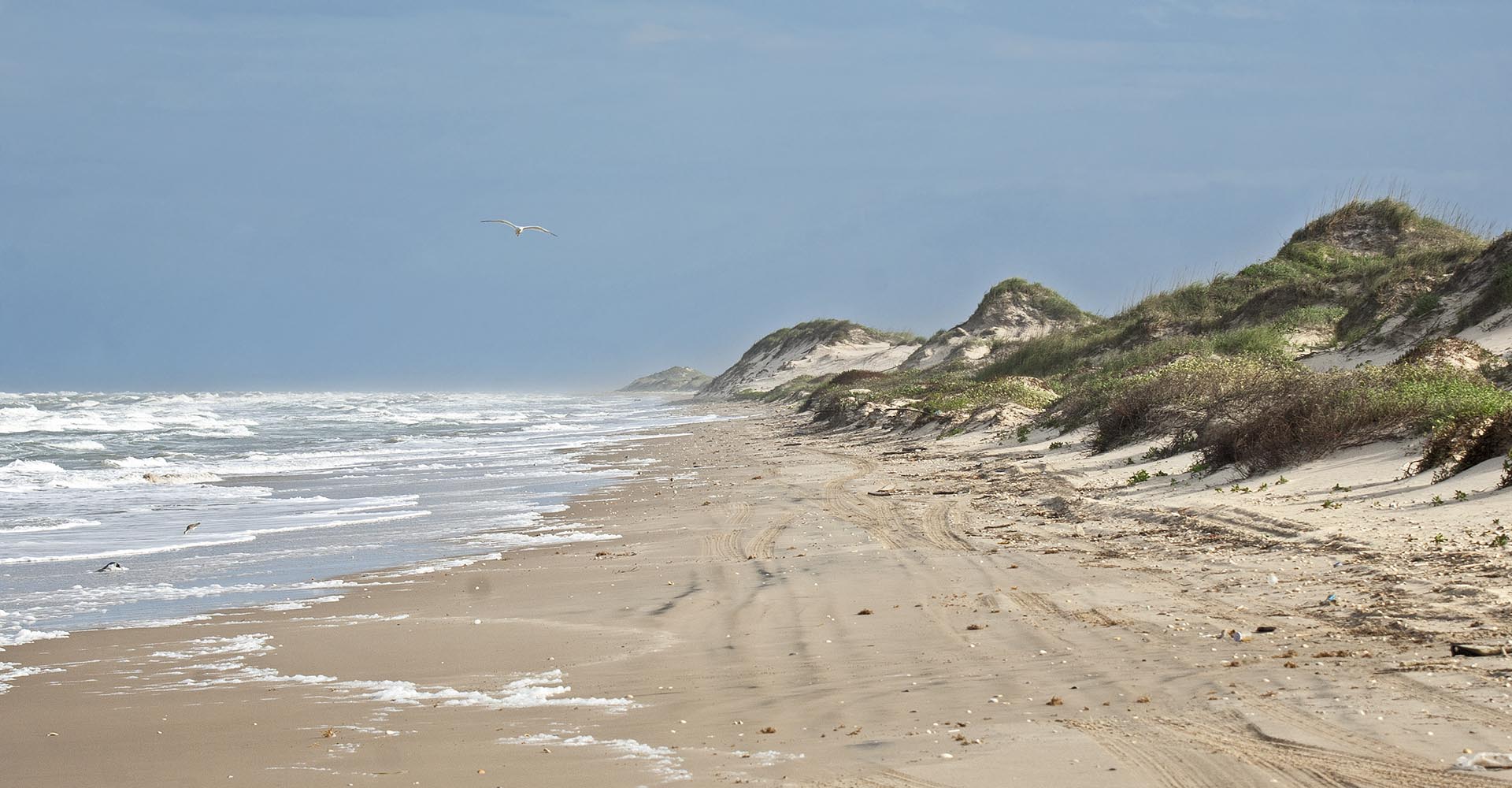
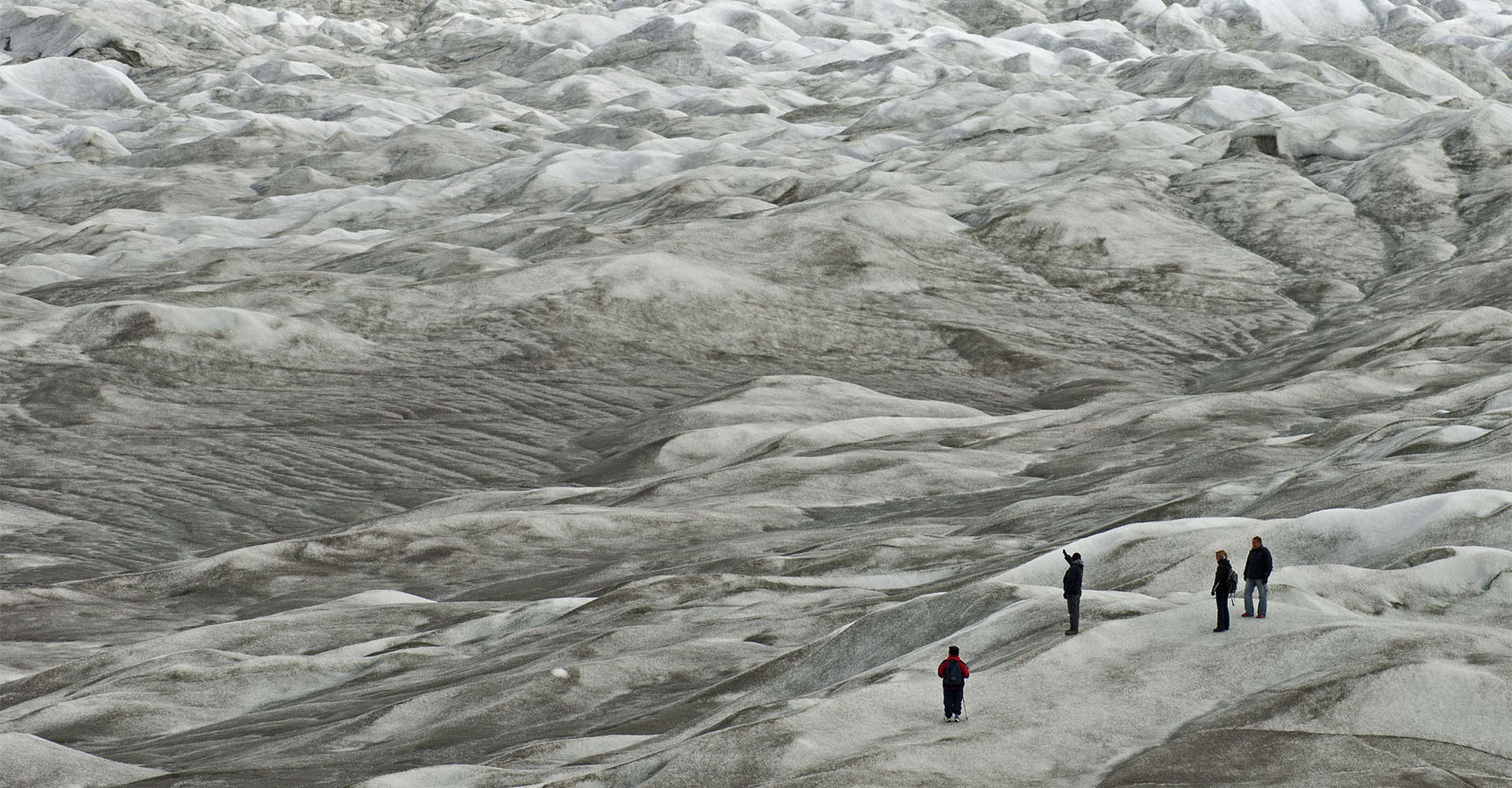
Red kill: Rocky mountain pine bark beetle, Steamboat Lake, Colorado Red kill: Rocky mountain pine bark beetle, Silverthorne, Colorado Red kill: Rocky mountain pine bark beetle, Rocky Mountain National Park, Colorado. Red kill: Rocky mountain pine bark beetle, North of Steamboat Springs, Colorado Pitch tubes: A tree's only defense against bark beetles. Pheromones, or natural beetle hormones, both attract and repel beetles and can be used as defense. Pesticides work too, but application timing is critical and spraying the world is likely improbable. Gray kill: During the first three years needles are bright red, brown and then fall off entirely. Only cold of -20 to -40 straight, in early and in mid winter respectively, can kill the beetle. Those temperatures disappeared about the turn of the 21st century. In areas of human occupation, dead trees become falling hazards quickly and must be removed. Blue slashes and flagging mark trees to be cut. These are white bark pine in Yellowstone National Park. Logged beetle kill, Prospector Campground, Dillon Reservoir, central Colorado. for up to about five years the dead wood can be used for lumber early and pelletized fuel late. After that the tops of the trees are too brittle and fall on logging machinery and loggers. Red kill: Rocky mountain pine bark beetles once attacked mostly lodgepole pines like these in Rocky Mountain National Park. Now there are so many beetles they are attacking even spruce trees. The scale of the kill is immense at more than 20 times greater than anything before. The attack is at 92 million acres.For comparison, Yellowstone is two million acres. Permafrost melt, Denali Highway, Alaska. Tree kill from soil saturation due to melted permafrost. East of Fairbanks, Alaska. Permafrost meltwater pool and drowned trees near Chena, Alaska. Permafrost meltwater ponds, Denali Highway, Alaska. Permafrost meltwater pond, Fairbanks, Alaska (within city limits). A meltwater river flows from beneath the Greenland Ice Sheet. The dark ice is dust from eons of accumulation and surface melt. Ice loss in Greenland has increased over 500 percent in ten years. Surface melting creates a very rough, surface where accumulated dust does not wash away. These drifts are solid ice. Around the perimeter of the ice sheet at low elevations the ice is melting tens of feet per year or more. The scale of melt is immense. This moraine is 100 feet high and the ice once towered over it. The ice flows in rivers and tongues and colder, drier times with more dust can be seen in the layers of older ice, closer to the edge. Also note how much lower the surface is than the moraines deposited along the margins of the ice. Most of this melt is recent as the ice has been in equilibrium since the Little Ice Age that ended 150 to 200 years ago. Less than a mile from its edge the ice sheet can be 1,000 feet tall. At it's center it is 11,000. The calving face of the ice sheet can be over 200 feet tall. The light is fantastically ever changing. Ilulissat Icefjord: Millions of icebergs , five times more than at the turn of the century, pour through Greenland's icefjords. Meltwater drains to the bottom of the ice sheet through holes, or moulins. There it lubricates the flow of the ice sheet, further increasing discharge of bergs. Bubbles of ancient air trapped in the ice have confirmed many hypothesis about how and when our climate has radically changed before. Bergs calve like thunder from massive ice cliffs at all hours of the day. Beach erosion is rapidly accelerating on Padre Island. Mile 30 beyond the 4x4 only sign. This beach was once 200 to 300 feet wide. Padre Island National Seashore, mile 7. Most of the erosion has been recently. Mile 50, Padre Island National Seashore. Padre Island is sinking naturally with little man made subsidence, but before the turn of the 21st century, it wasn't enough to cause massive beach erosion. Sand starvation from inland reservoirs plays a role too, but historically these beaches have been stable. South Padre Island has a little more trouble with more sand starvation from the Rio Grande and less rainfall to grow stabilizing dune grasses. Here, in places erosion is extreme. this is high tide, non-storm conditions. Several places along South Padre have been eroding more or less since the dams went up on the Rio Grande, but since the turn of the century the rate has likely increased significantly. October 2014, King tide, biggest tide of the autumn. Again in 2014, no storms of any consequence on the Texas Coast. Erosion down by the Mansfield jetties is much greater than in 2013. The worst on North Padre in 2013 was a few miles from the Mansfield Pass jetties in the sand starvation zone. The beach has never been wide here and during storms is often the first to erode. But normally, the beach builds back. This erosion is happening in non-storm conditions. At times the four-wheel drive trail is challenging. South Padre, Mile 13 beyond end of pavement. This is the first stage of barrier island disintegration. The beach goes first. The beach protects the dunes, which in turn protect the rest of the island.





























