
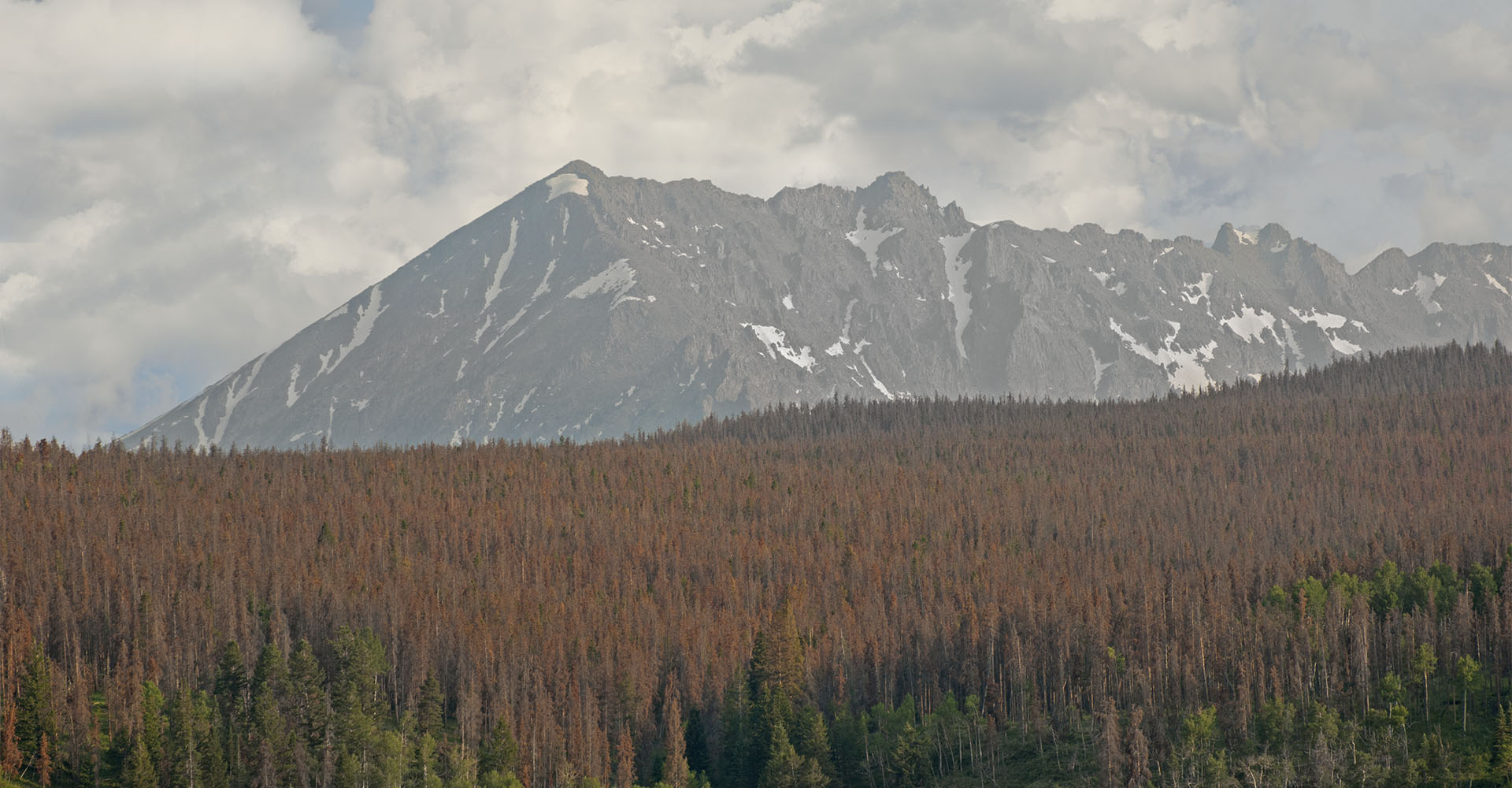
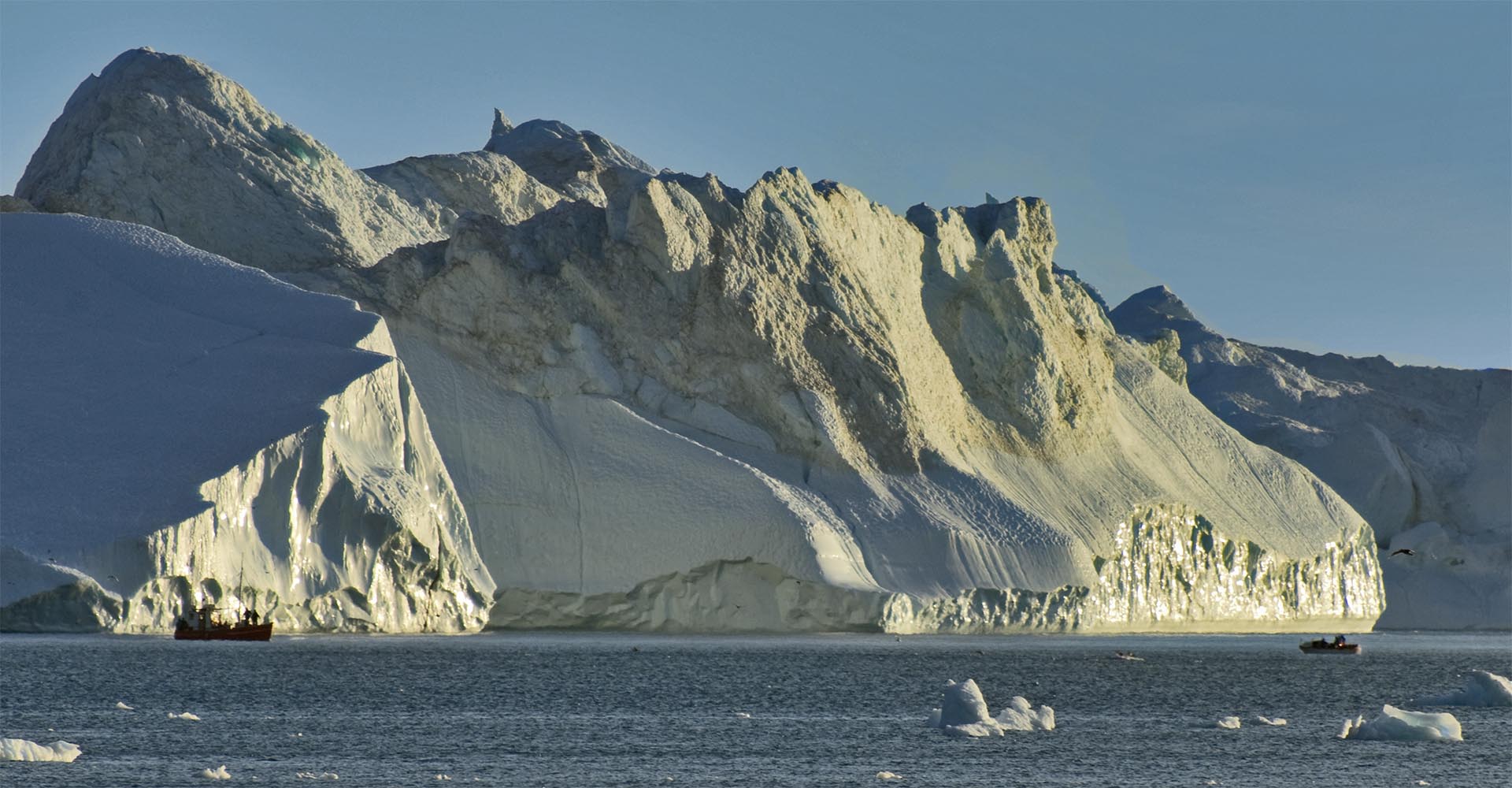
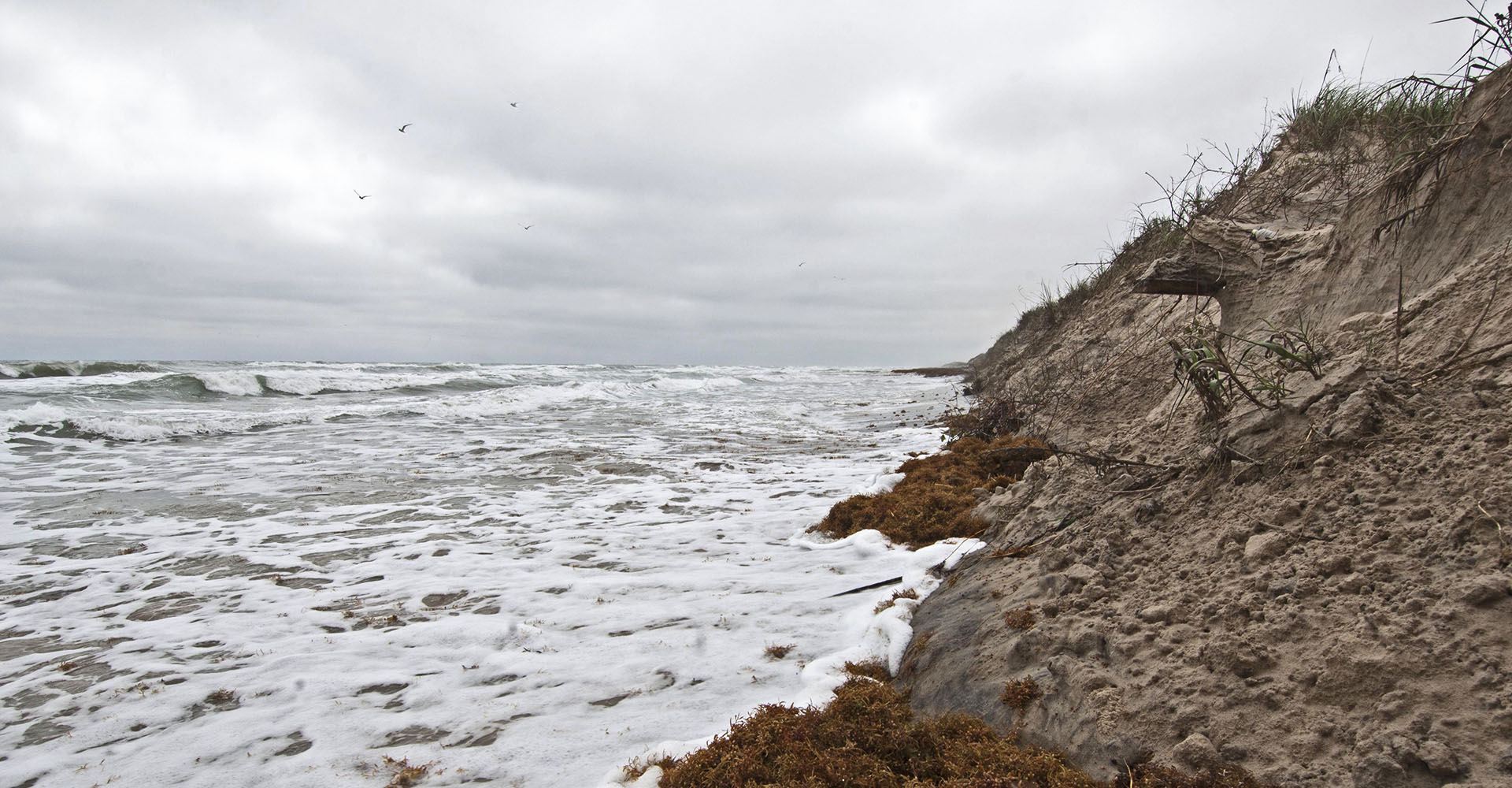
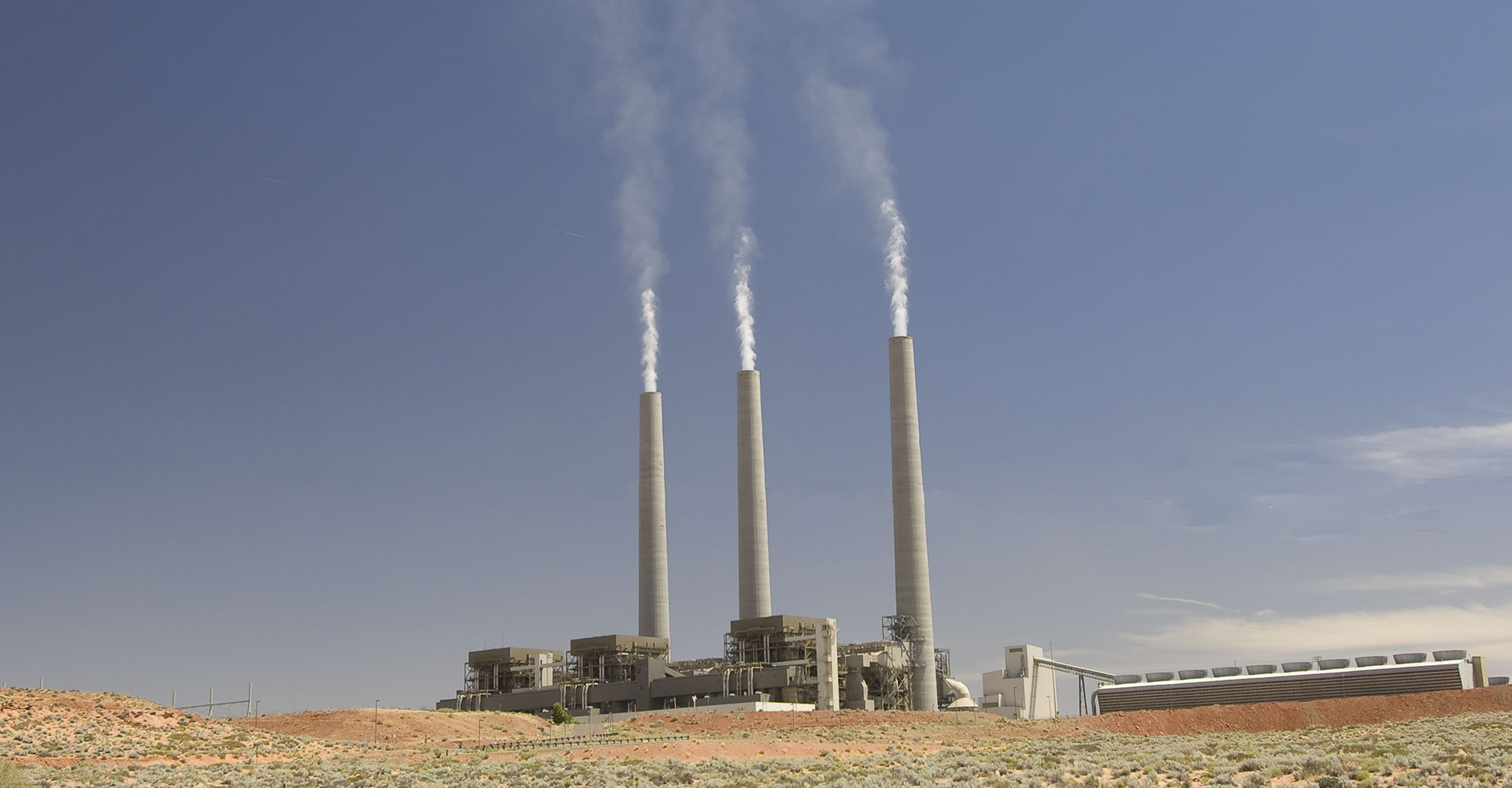
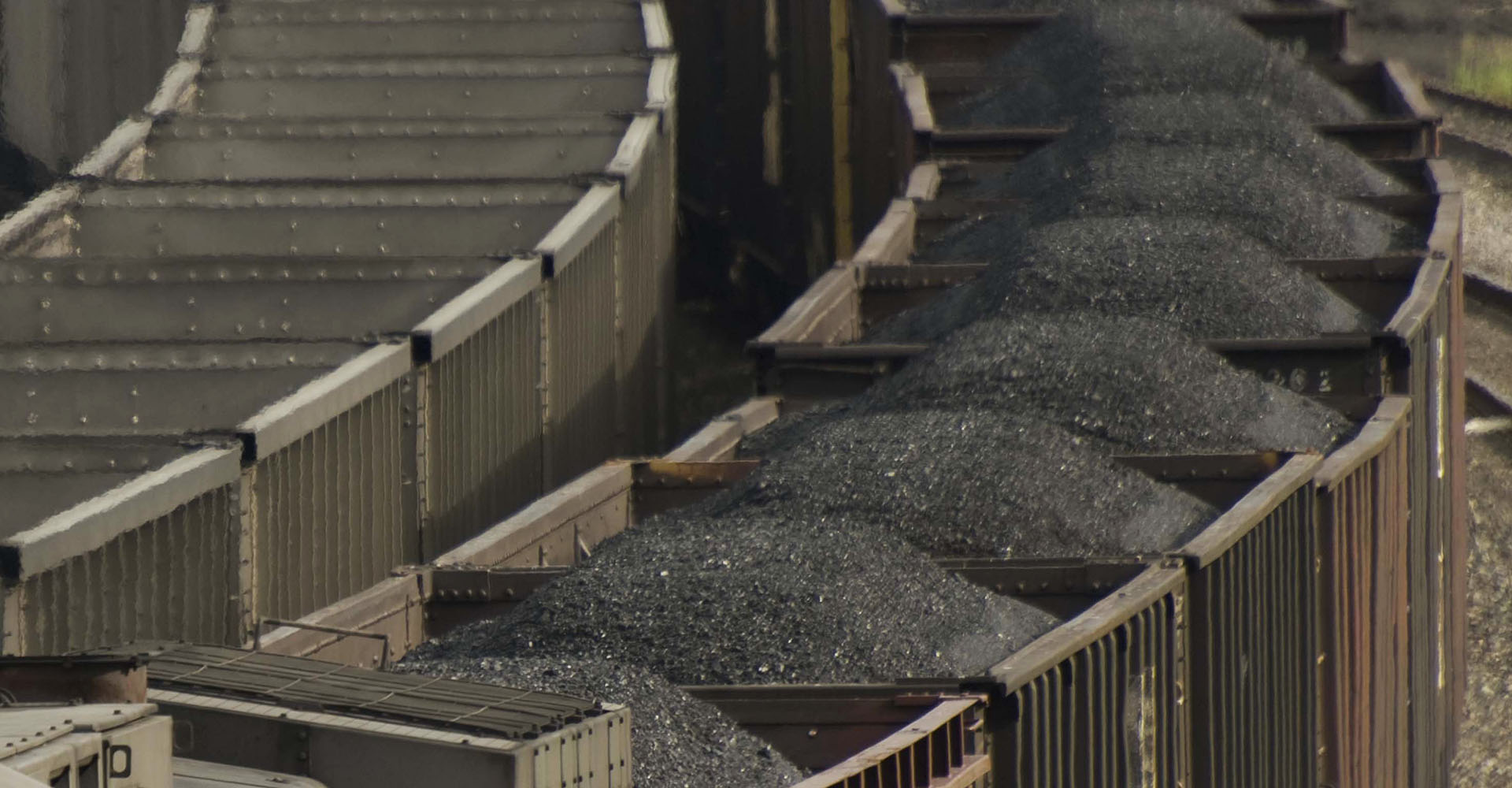
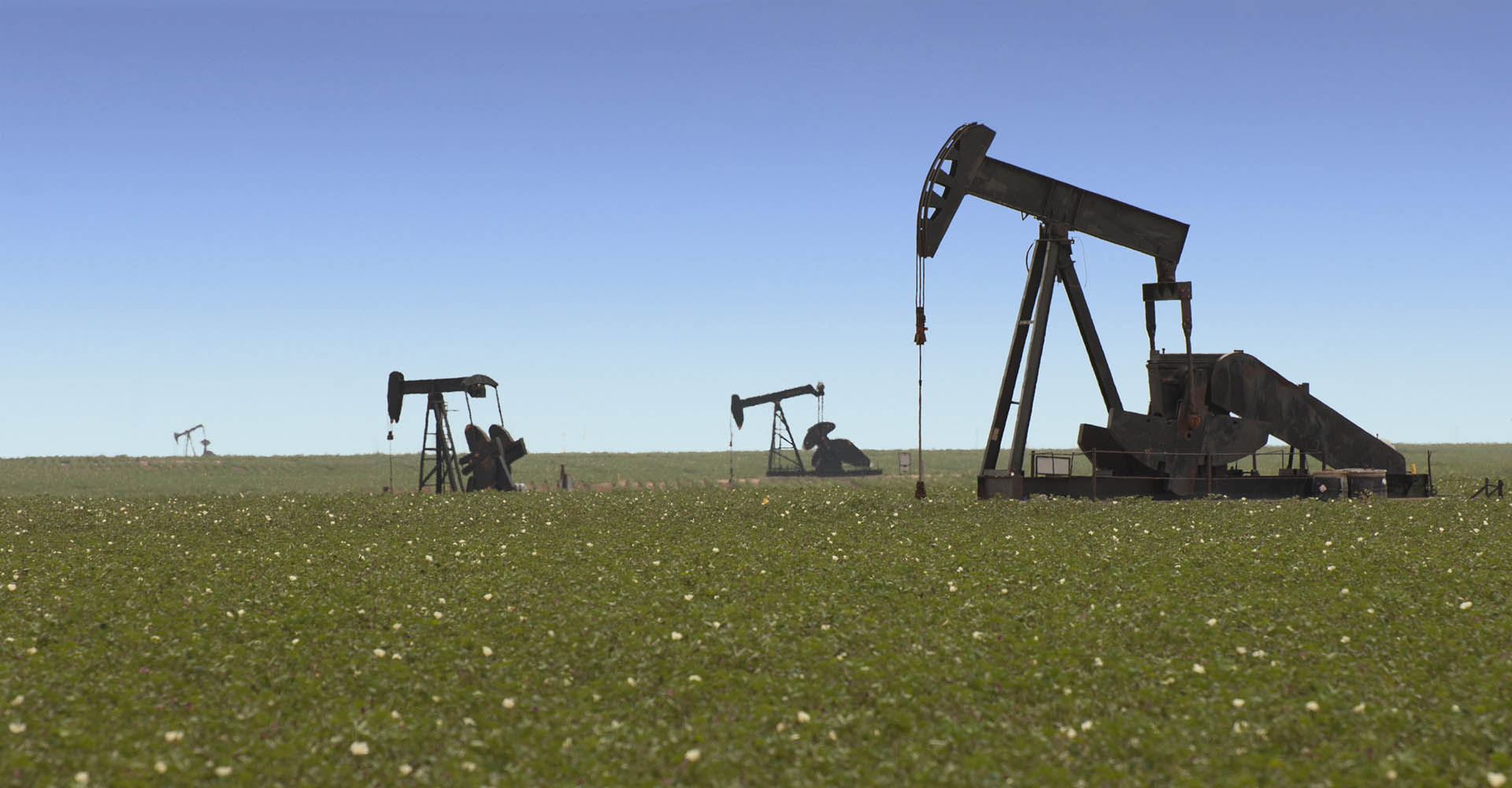
The perceived debate has devastated traditional climate science education The solutions however, are not what they seem New technologies are vastly more cost effective than this "perceived debate" implies Climate Change ... and will get much worse faster Are as bad -or worse- than they seem because of previous delay Impacts are no more costly than what we spend on advertising every year... Solutions Climate Discovery brings you the real science More robust than every before Using plain English The written word For more, swipe on, scroll down or click the menu From the field and from academia Films and music 92 million acres of forest killed: by a native beetle gone berserk because of warming. 500% increase: Greenland ice loss ... in last 10 years. Previously stable beaches already gone ... during normal, non-storm conditions. Research now shows that global cooling smog from coal has masked more than half of current warming that should have already occurred. reveals the masked warming creating more warming than if we did nothing at all. -- when emissions of sulfates cease in the next 20 to 30 years Killing Coal Leave it in the ground Take it out of the sky Hurry... ... We do not have time to wait any longer Climate Discovery and the We make the science clear. Climate Change Now Initiative:

Solutions Our Films In-depth Knowledgebase Galleries Knowledge Base Lines blur between climate change and reality

Why Don’t the Contrarians Have Studies – Reaffirming that Climate Change is Bunk – Repeatedly Published in Academic Journals?

By Deniers and Delayers

A new study in the Proceedings of the National Academy of Science (here) says that, overwhelmingly, contrarians scientists are underwhelming qualified to be influencing anyone on climate change issues. But to give them credit, they do have their flagship: 30,000 scientists says that climate change is bunk: the Oregon Institute of Science and Medicine. http://www.oism.org/…

Read More

Carbon Dioxide Concentrations Today are Double What We Thought

By Uncategorized

Breecker, et. al., Atmospheric CO2 concentrations during ancient greenhouse climates were similar to those predicted for A.D. 2100, PNAS, October 2009. http://www.pnas.org/content/107/2/576.full.pdf+html Between 65 and 300 million years ago, during the Permian and Mesozoic greenhouse climate eras. The new discoveries have come from two places now. Originally, these 3,000 ppm CO2 concentration analysis came from…

Read More

Vegetation Shifting Around the World

By Impacts

From Berkeley press release: Vegetation around the world is on the move, and climate change is the culprit, according to a new analysis of global vegetation shifts led by a University of California, Berkeley, ecologist in collaboration with researchers from the U.S. Department of Agriculture Forest Service. Researchers present(ed) evidence that over the past century,…

Read More

Mt. Everest Trail Melting

By Impacts

From the Telegraph: "Rising temperatures have melted much of the ice on the steep trail to the summit and climbers are struggling to get traction on the exposed rock surface, according to the 49-year-old Sherpa, known only as Apa. The melting ice has also exposed deep crevasses which climbers could fall into, and experts have…

Read More

April was the Hottest April Ever Recorded

By Temperature

The period January through April 2010 was the hottest January through April ever recorded. The average ocean  surface temperature for April was the warmest ever recorded. Arctic sea ice was below normal for the 11th consecutive April. Snow coverage in the Northern Hemisphere was below average for the seventh April in a row. The amount…

Read More

The Upper 700 Meters of Ocean has Warmed More Than the Heat Generated by 2 Billion Atomic Bombs Similar to the Hiroshima Bomb

By Oceans

May 21, 2010 From Science News: "Earth’s upper ocean warmed substantially between 1993 and 2008, a new analysis reveals. The trend signals growing heat storage in oceans, researchers say, a result of human-caused warming. The new study, reported in the May 20 Nature, combined oceanographic data gathered worldwide between 1993 and 2008, the time period…

Read More

European Science Foundation – Oceans are already 30% More Acidic Than They Were 200 Years Ago. "Ocean acidification is more rapid than any time in the last 35 million years."


By Oceans

The Oceans are our largest natural sink for CO2. They absorb excess carbon dioxide from our atmosphere, but the oceans become more polluted as they absorb more CO2. It’s like a bioaccumulating toxin. CO2 is the mercury of our ocean’s water. The CO2 pollutes our oceans just like it pollutes our skies. Ocean acidity is…


Read More

"Climate is Changing Ten Times Faster Than Predicted" Dr. Konrad Steffan, Director of CIRES – the Cooperative Institute for Research in Environmental Sciences at the University of Colorado Boulder

By Climate Catastrophes

*** I talked with one of the scientists that I interviewed in Greenland in 2007 recently. I had found a previously forgotten quote that appeared to be from him in my notes from my trip and I wanted to confirm. The quote was "Climate change is proceeding ten times faster that we had predicted". This…

Read More

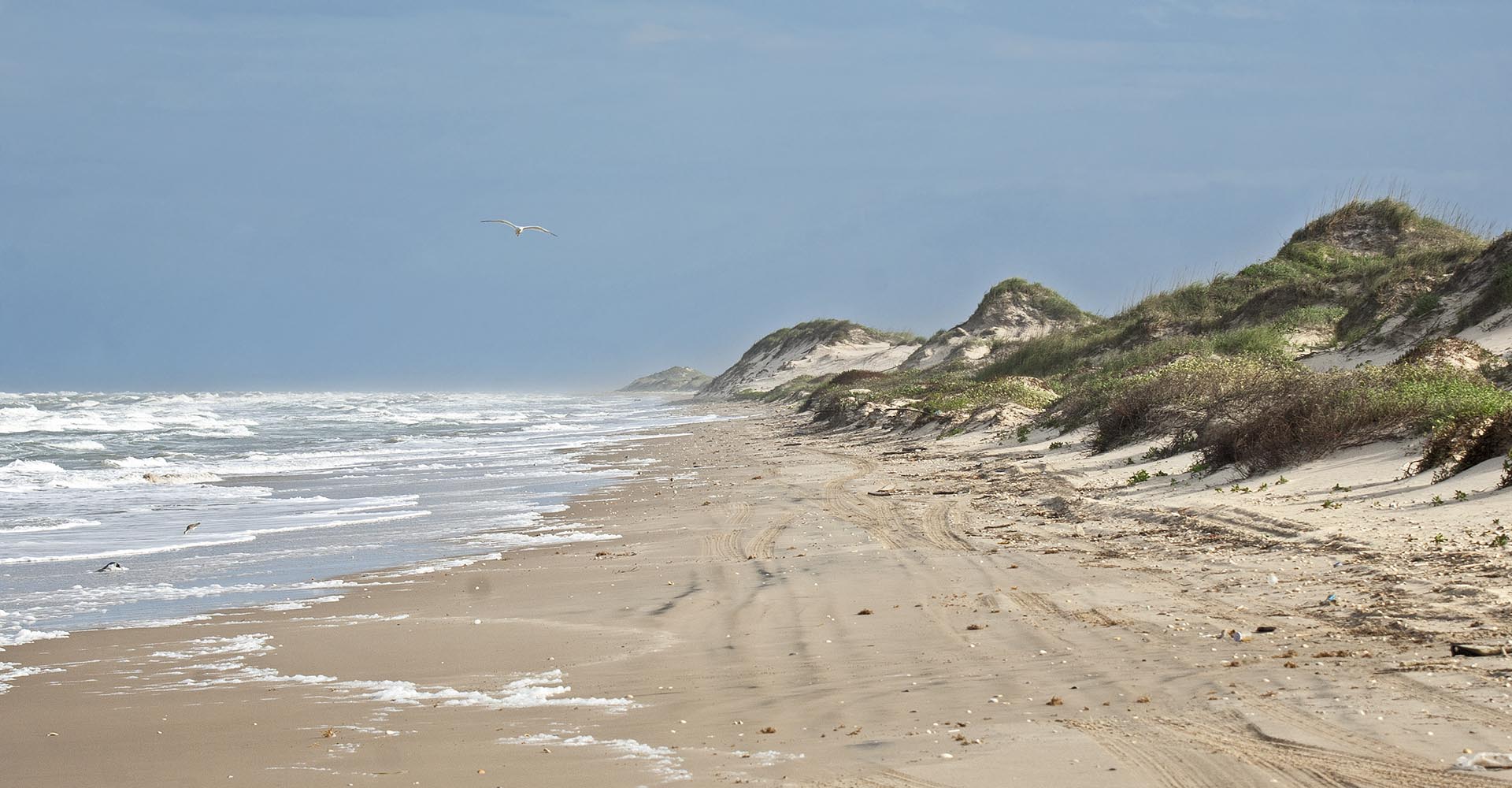
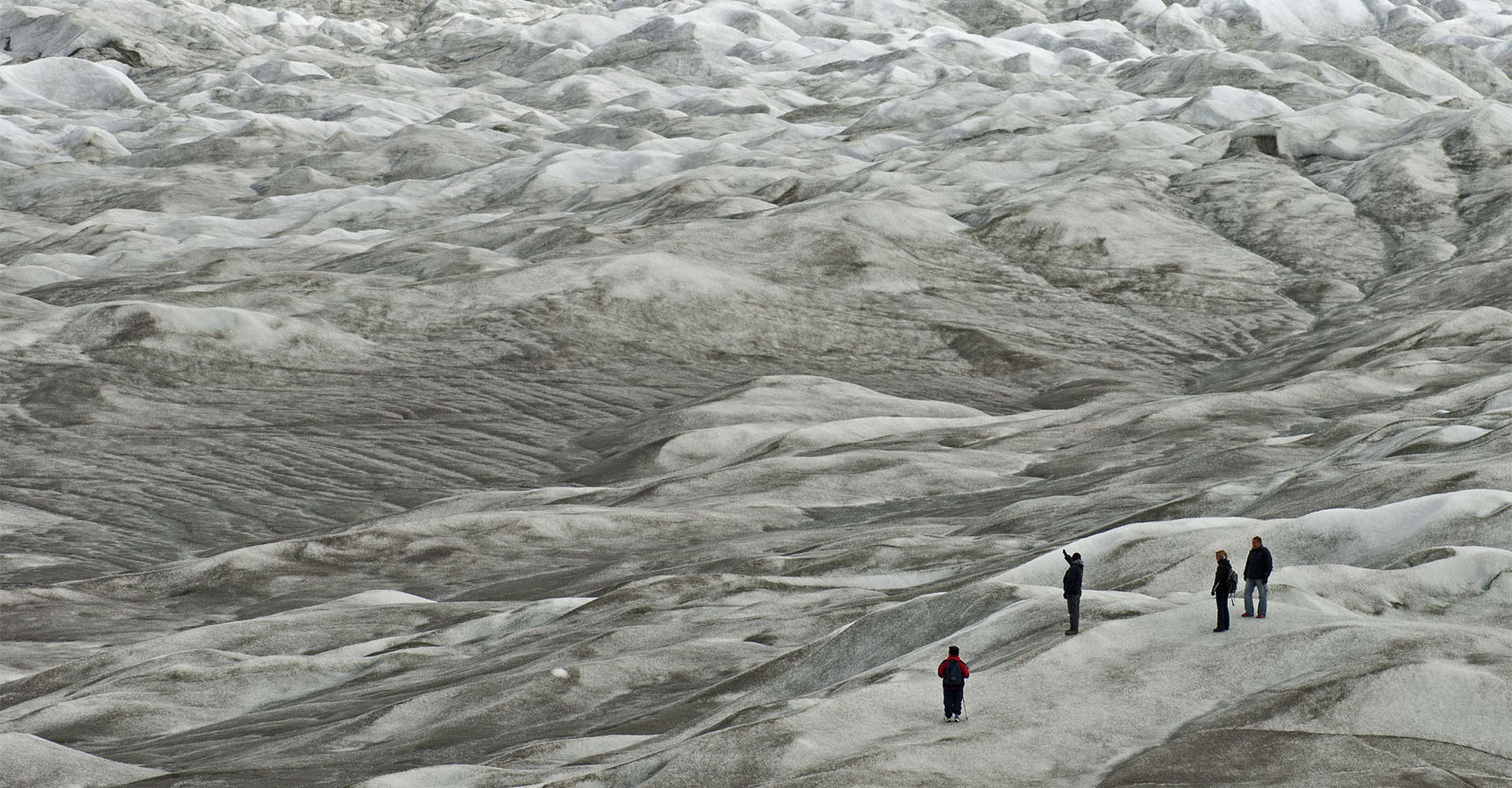
Red kill: Rocky mountain pine bark beetle, Steamboat Lake, Colorado Red kill: Rocky mountain pine bark beetle, Silverthorne, Colorado Red kill: Rocky mountain pine bark beetle, Rocky Mountain National Park, Colorado. Red kill: Rocky mountain pine bark beetle, North of Steamboat Springs, Colorado Pitch tubes: A tree's only defense against bark beetles. Pheromones, or natural beetle hormones, both attract and repel beetles and can be used as defense. Pesticides work too, but application timing is critical and spraying the world is likely improbable. Gray kill: During the first three years needles are bright red, brown and then fall off entirely. Only cold of -20 to -40 straight, in early and in mid winter respectively, can kill the beetle. Those temperatures disappeared about the turn of the 21st century. In areas of human occupation, dead trees become falling hazards quickly and must be removed. Blue slashes and flagging mark trees to be cut. These are white bark pine in Yellowstone National Park. Logged beetle kill, Prospector Campground, Dillon Reservoir, central Colorado. for up to about five years the dead wood can be used for lumber early and pelletized fuel late. After that the tops of the trees are too brittle and fall on logging machinery and loggers. Red kill: Rocky mountain pine bark beetles once attacked mostly lodgepole pines like these in Rocky Mountain National Park. Now there are so many beetles they are attacking even spruce trees. The scale of the kill is immense at more than 20 times greater than anything before. The attack is at 92 million acres.For comparison, Yellowstone is two million acres. Permafrost melt, Denali Highway, Alaska. Tree kill from soil saturation due to melted permafrost. East of Fairbanks, Alaska. Permafrost meltwater pool and drowned trees near Chena, Alaska. Permafrost meltwater ponds, Denali Highway, Alaska. Permafrost meltwater pond, Fairbanks, Alaska (within city limits). A meltwater river flows from beneath the Greenland Ice Sheet. The dark ice is dust from eons of accumulation and surface melt. Ice loss in Greenland has increased over 500 percent in ten years. Surface melting creates a very rough, surface where accumulated dust does not wash away. These drifts are solid ice. Around the perimeter of the ice sheet at low elevations the ice is melting tens of feet per year or more. The scale of melt is immense. This moraine is 100 feet high and the ice once towered over it. The ice flows in rivers and tongues and colder, drier times with more dust can be seen in the layers of older ice, closer to the edge. Also note how much lower the surface is than the moraines deposited along the margins of the ice. Most of this melt is recent as the ice has been in equilibrium since the Little Ice Age that ended 150 to 200 years ago. Less than a mile from its edge the ice sheet can be 1,000 feet tall. At it's center it is 11,000. The calving face of the ice sheet can be over 200 feet tall. The light is fantastically ever changing. Ilulissat Icefjord: Millions of icebergs , five times more than at the turn of the century, pour through Greenland's icefjords. Meltwater drains to the bottom of the ice sheet through holes, or moulins. There it lubricates the flow of the ice sheet, further increasing discharge of bergs. Bubbles of ancient air trapped in the ice have confirmed many hypothesis about how and when our climate has radically changed before. Bergs calve like thunder from massive ice cliffs at all hours of the day. Beach erosion is rapidly accelerating on Padre Island. Mile 30 beyond the 4x4 only sign. This beach was once 200 to 300 feet wide. Padre Island National Seashore, mile 7. Most of the erosion has been recently. Mile 50, Padre Island National Seashore. Padre Island is sinking naturally with little man made subsidence, but before the turn of the 21st century, it wasn't enough to cause massive beach erosion. Sand starvation from inland reservoirs plays a role too, but historically these beaches have been stable. South Padre Island has a little more trouble with more sand starvation from the Rio Grande and less rainfall to grow stabilizing dune grasses. Here, in places erosion is extreme. this is high tide, non-storm conditions. Several places along South Padre have been eroding more or less since the dams went up on the Rio Grande, but since the turn of the century the rate has likely increased significantly. October 2014, King tide, biggest tide of the autumn. Again in 2014, no storms of any consequence on the Texas Coast. Erosion down by the Mansfield jetties is much greater than in 2013. The worst on North Padre in 2013 was a few miles from the Mansfield Pass jetties in the sand starvation zone. The beach has never been wide here and during storms is often the first to erode. But normally, the beach builds back. This erosion is happening in non-storm conditions. At times the four-wheel drive trail is challenging. South Padre, Mile 13 beyond end of pavement. This is the first stage of barrier island disintegration. The beach goes first. The beach protects the dunes, which in turn protect the rest of the island.





























