
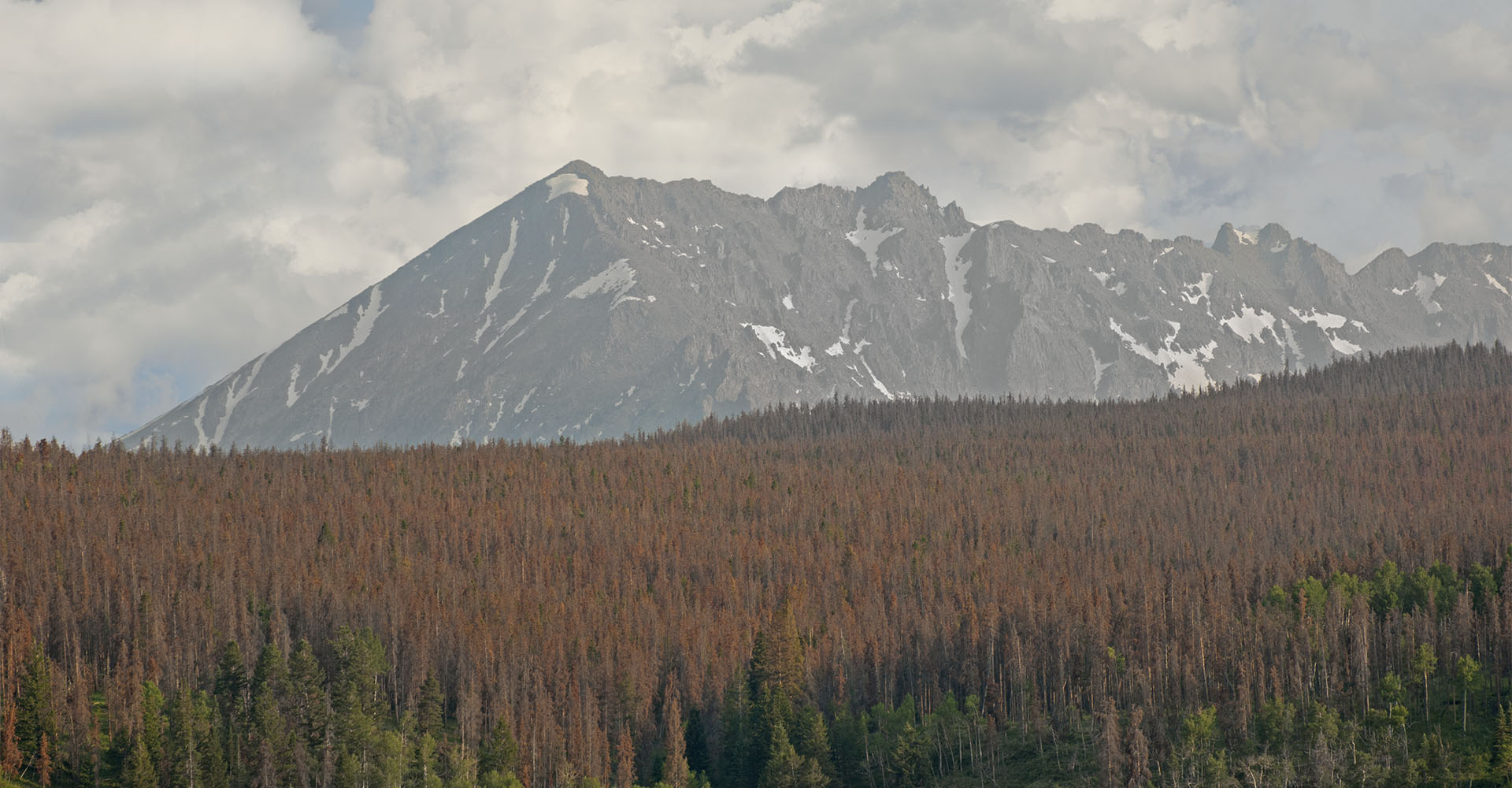
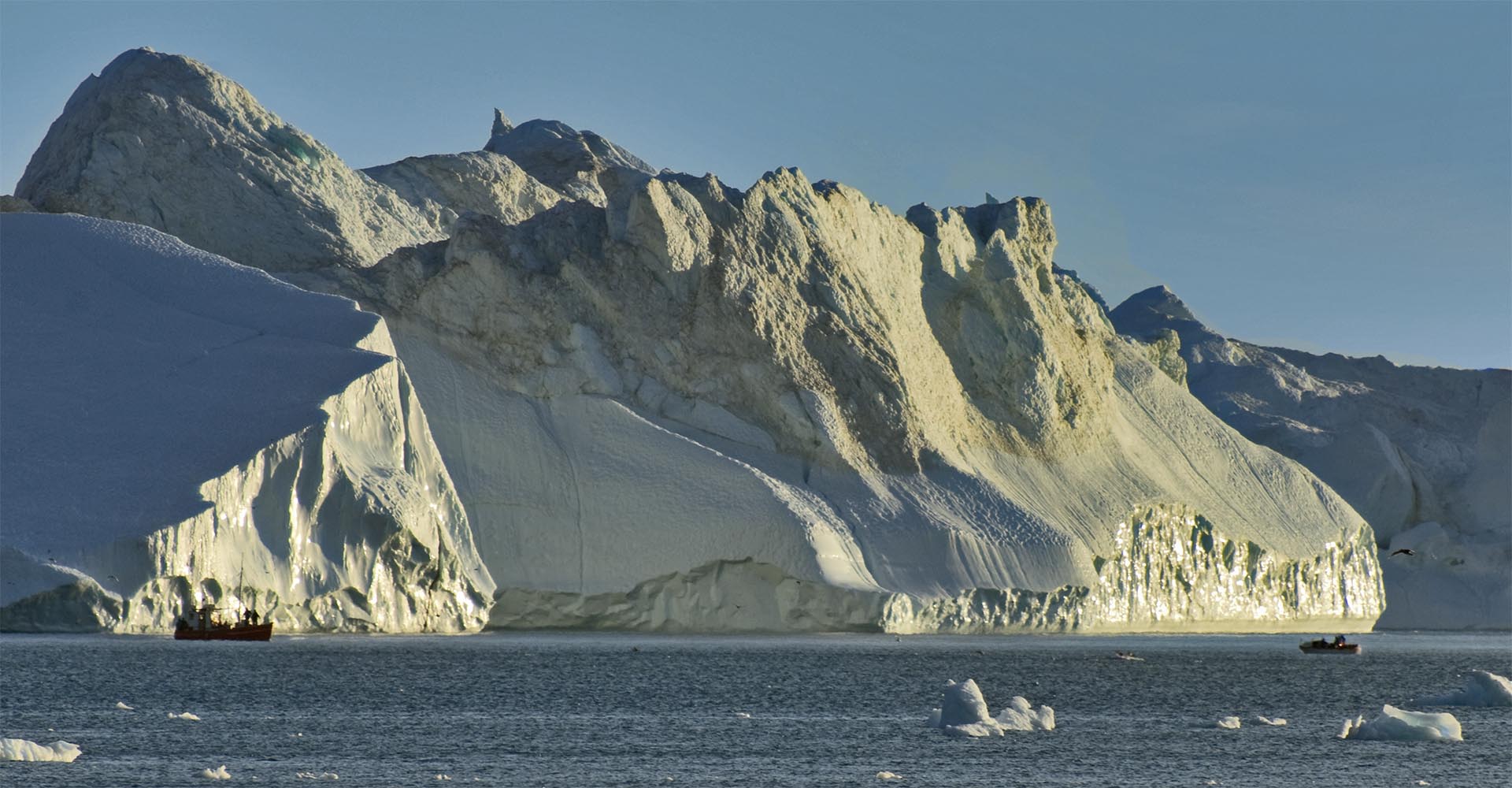
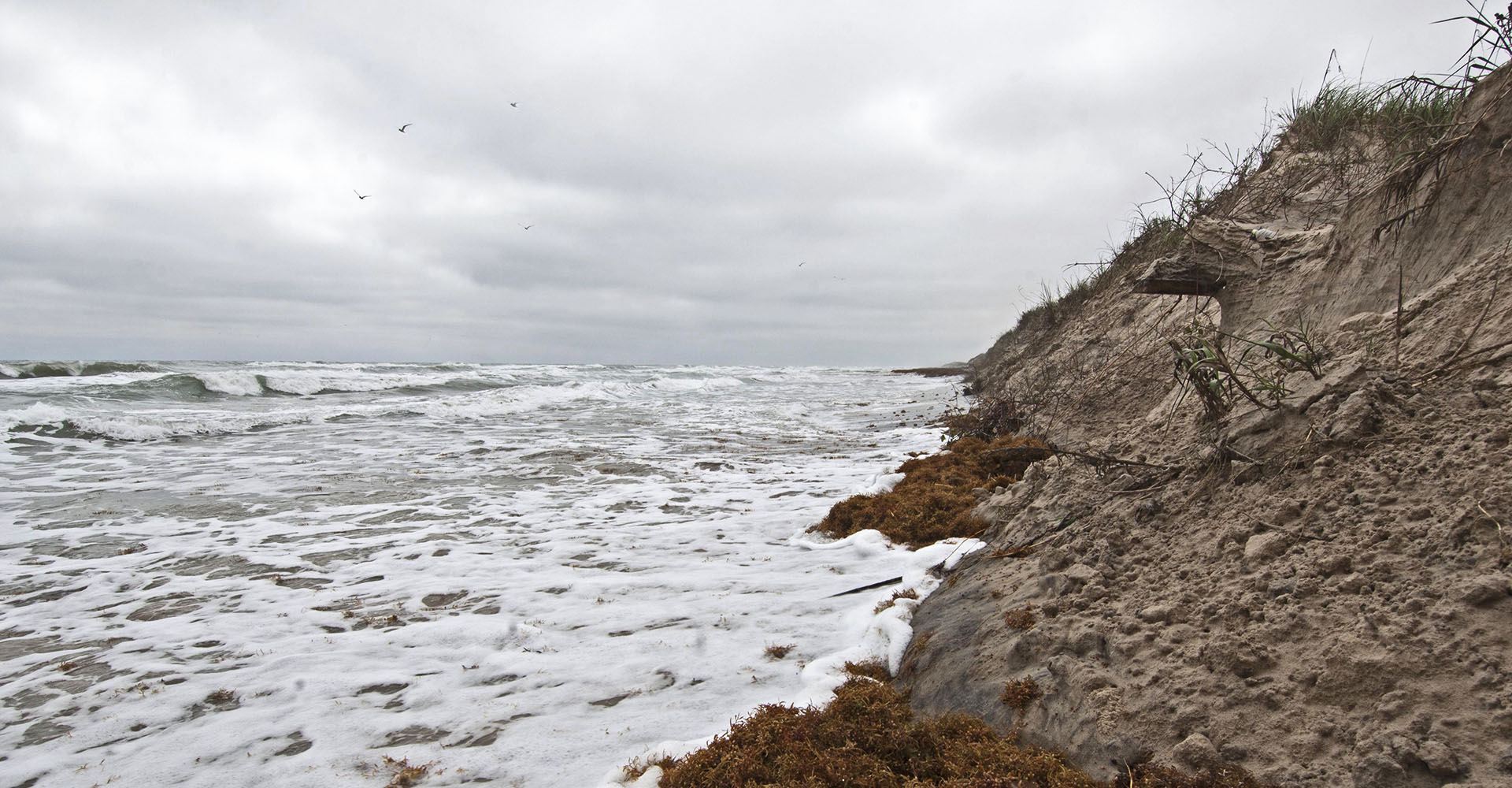
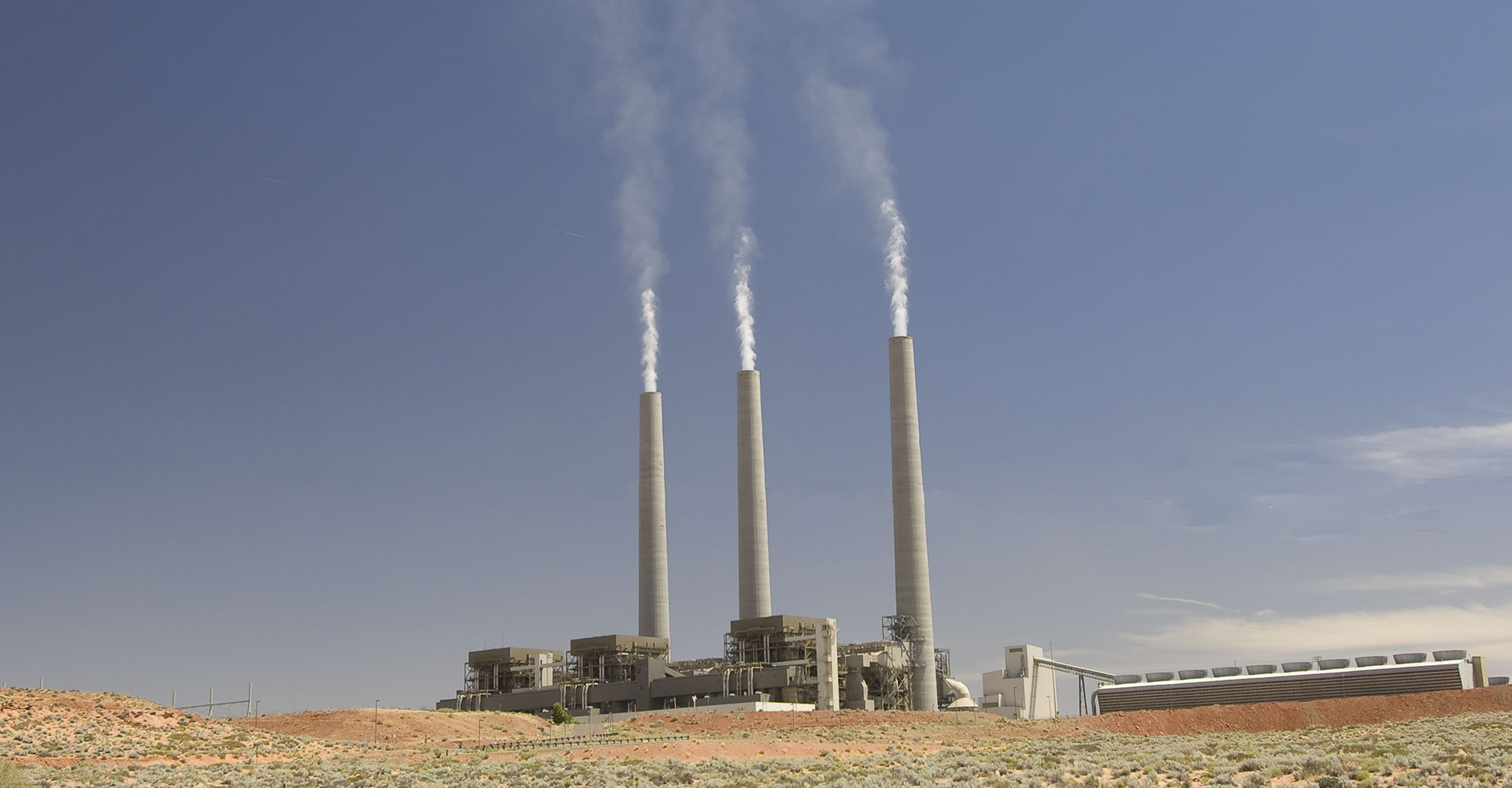
The perceived debate has devastated traditional climate science education The solutions however, are not what they seem New technologies are vastly more cost effective than this "perceived debate" implies Climate Change ... and will get much worse faster Are as bad -or worse- than they seem because of previous delay Impacts are no more costly than what we spend on advertising every year... Solutions Climate Discovery brings you the real science More robust than every before Using plain English The written word For more, swipe on, scroll down or click the menu From the field and from academia Films and music 92 million acres of forest killed: by a native beetle gone berserk because of warming. 500% increase: Greenland ice loss ... in last 10 years. Previously stable beaches already gone ... during normal, non-storm conditions. Research now shows that global cooling smog from coal has masked more than half of current warming that should have already occurred. reveals the masked warming creating more warming than if we did nothing at all. -- when emissions of sulfates cease in the next 20 to 30 years Killing Coal Leave it in the ground Take it out of the sky Hurry... ... We do not have time to wait any longer Climate Discovery and the We make the science clear. Climate Change Now Initiative:

Solutions Our Films In-depth Knowledgebase Galleries Knowledge Base Lines blur between climate change and reality

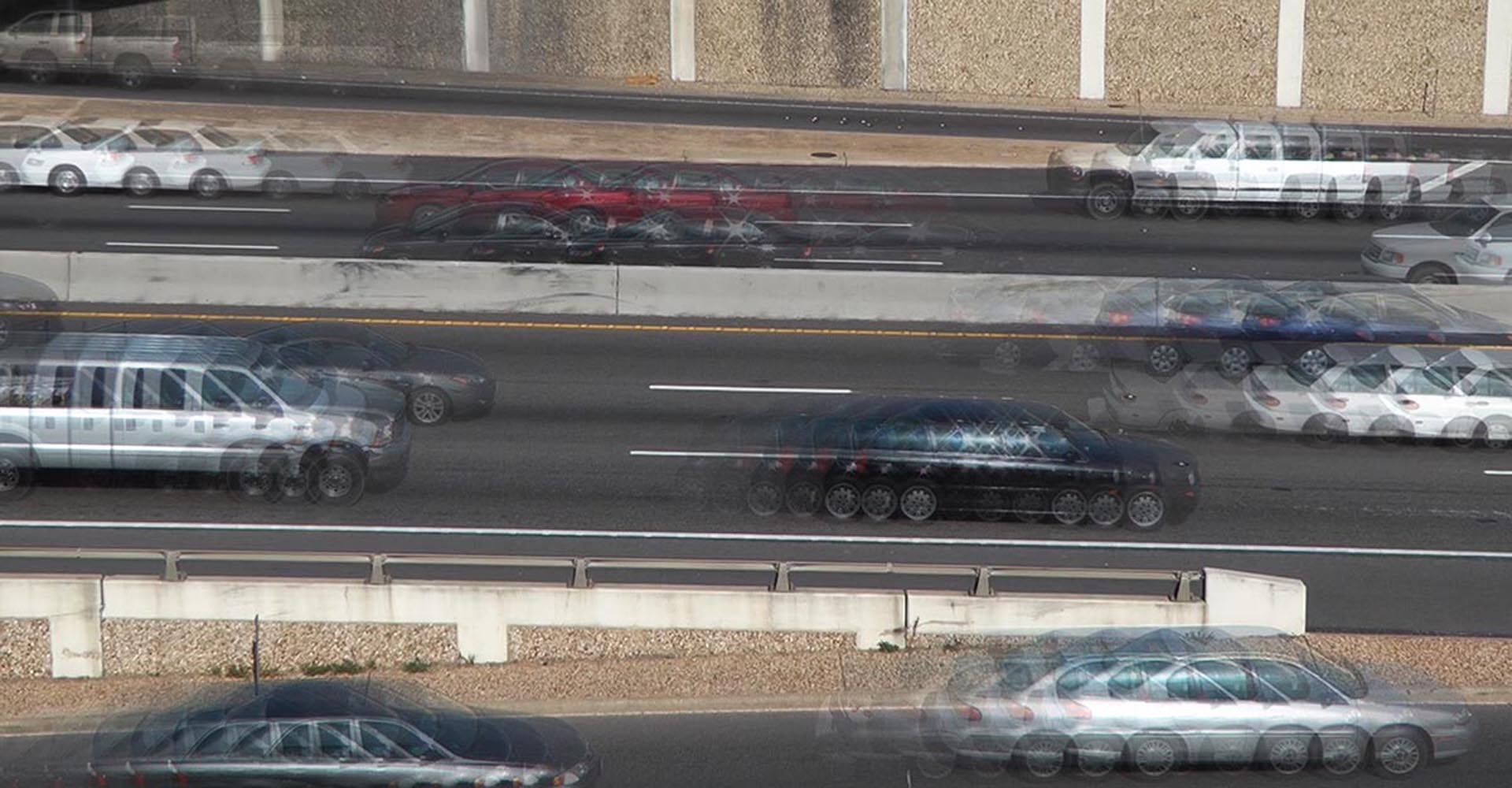
It’s Cars, Not Coal – The New Paradigm of Climate Science

By alternatives, Emissions, in-depth and Popular Press, Solutions

The science has changed again. This time, things are really upside down. How are we supposed to know which target to shoot? We live, we learn. Science goes on, especially climate science. There is an extreme need for more knowledge about our climate. This has been obvious to the climate scientists for years. The titles in…


Read More

The Psychology of Global Warming

By Deniers and Delayers

American Meteorological Society The certainty that climate scientists have about climate changes becomes greater every day. Yet, the portion of the public that agrees with the principles of man-caused climate change, or the risks faced, or the speed with which our climate is changing, or even the understanding of the certainty of the scientists themselves,…

Read More

Russia On Fire: a Sign of Things to Come

By Extreme Weather

  "In Russia, the wildfires are believed caused by a warming climate that made the current summer the hottest on record. The hotter weather increases the incidence of lightning, the major cause of naturally occurring biomass burning. Soja said she hopes the wildfires in Russia prompt the country to support efforts to mitigate climate change….

Read More

More Frequent and Extreme Storms Causing More Runoff In All of the Wrong Places

By Extreme Weather

Freshwater is flowing into Earth’s ocean in greater amounts every year, thanks to more frequent and extreme storms related to global warming, according to a first-of-its-kind study by a team of NASA and university researchers. "In general, more water is good," Famiglietti said. "But here’s the problem: Not everybody is getting more rainfall, and those…

Read More

CO2 Changing 14,000 Times Faster than Normal

By Uncategorized

This article in the journal Nature Geoscience looked at CO2 changes from the last 610,000 years as told in the bubbles of trapped air in Antarctic ice cores. It is a well known part of climate science that states that CO2 concentrations in our atmosphere differ based on the climate.  CO2 levels are lower on…

Read More

Summer Was Fourth Warmest in 131 Years

By Extreme Weather

October 4, 2010   "An unparalleled heat wave in eastern Europe, coupled with intense droughts and fires around Moscow, put Earth’s temperatures in the headlines this summer. Likewise, a string of exceptionally warm days in July in the eastern United States strained power grids, forced nursing home evacuations, and slowed transit systems. Both high-profile events…

Read More

The North American Pine Beetle Pandemic

By Impacts

I just returned from a 7,500 mile trip to witness the the greatest insect infestation anywhere in recorded history. This is an ongoing project of mine, and will be my third film drawing public attention to this extreme climate change impact. My Scientific Basis for this years film is here: http://www.meltonengineering.com/North%20America%27s%20Mountain%20Pine%20Beetle%20Pandemic%20February%202011color.pdf

Read More

Mining Carbon from the Sky–50 ppm for $10 Trillion

By Solutions

Mining Carbon from the Sky–50 ppm for $10 Trillion. We can’t afford $10 trillion you say? What were we doing in Iraq then? 50 ppm for $10 trillion    Hansen 350,    Democracy Now – 8 years of bush, Iraq Afgahnistan, bailouts http://www.democracynow.org/2008/12/22/linda_bilmes_the_10_trillion_hangover $200 per ton is $20 trillion, $100 per ton is $10 trillion (79, 80)…

Read More

Climate is Changing and It’s Our Fault – Prove it say the Conservatives: Trouble is, it has Been Proven Thousands and Thousands of Times

By Deniers and Delayers

August 14, 2010 Benoit Thibodeau and his team have a new study of foraminifera from the St. Lawrence Estuary in Canada. One of what is certainly hundreds, and possibly thousands of studies of this most common of ocean temperature proxies. This one just looked at a thousand years of history, but found that this location…

Read More

Expert credibility in climate change, Proceedings of the National Academy of Science – Almost 98% of Climate Scientists Support IPCC’s Platform

By Deniers and Delayers

July 20, 2010 Expert credibility in climate change, Proceedings of the National Academy of Science, April 2010 – Almost 98% of Climate Scientists Support IPCC’s Platform of Anthropogenic Climate Change AND, Contrarian Experts are by no Means "Experts" Abstract:  Although preliminary estimates from published literature and expert surveys suggest striking agreement among climate scientists on…

Read More

Five Big All-time Global Climate Records Broken in June: Temperature, Temperature, Temperature, and Arctic and Antarctic Sea Ice

By Impacts

NOAA reports that June, April to June, and the Year-to-Date Global Temperatures are the warmest on Record. Last month’s combined global land and ocean surface temperature made it the warmest June on record and the warmest on record averaged for any April-June and January-June periods. Arctic sea ice covered was 10.6 percent below the 1979-2000…

Read More

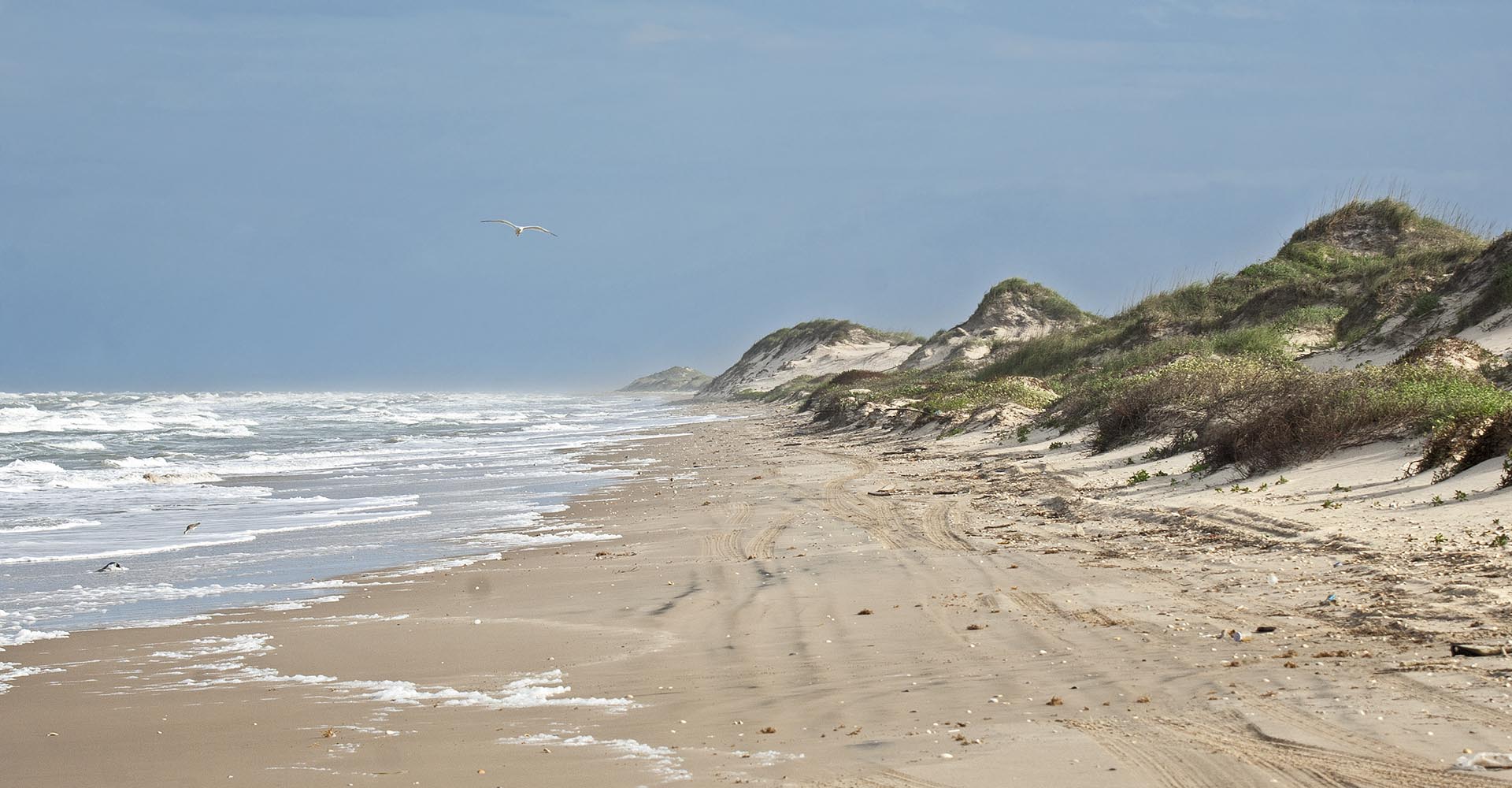
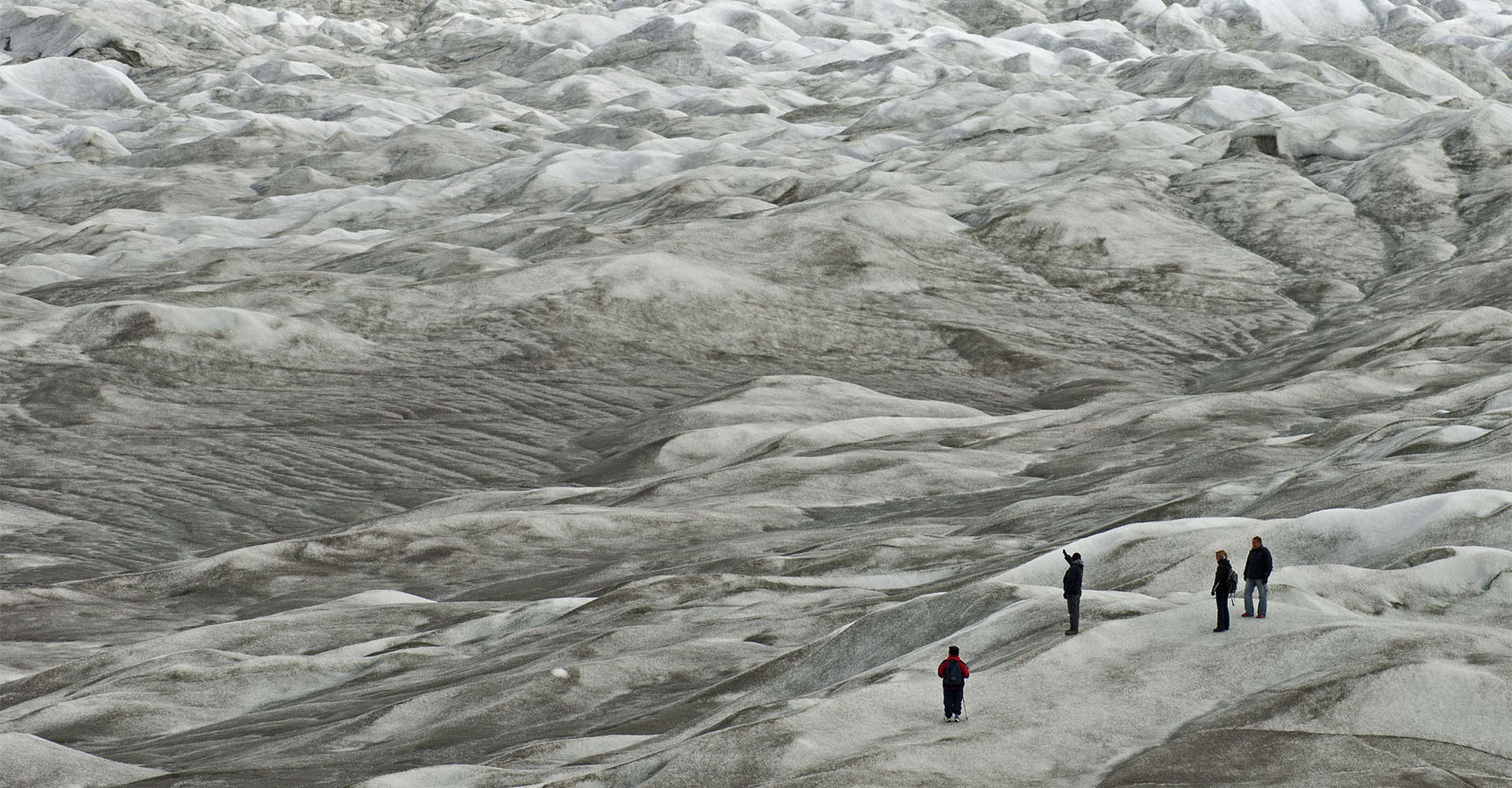
Red kill: Rocky mountain pine bark beetle, Steamboat Lake, Colorado Red kill: Rocky mountain pine bark beetle, Silverthorne, Colorado Red kill: Rocky mountain pine bark beetle, Rocky Mountain National Park, Colorado. Red kill: Rocky mountain pine bark beetle, North of Steamboat Springs, Colorado Pitch tubes: A tree's only defense against bark beetles. Pheromones, or natural beetle hormones, both attract and repel beetles and can be used as defense. Pesticides work too, but application timing is critical and spraying the world is likely improbable. Gray kill: During the first three years needles are bright red, brown and then fall off entirely. Only cold of -20 to -40 straight, in early and in mid winter respectively, can kill the beetle. Those temperatures disappeared about the turn of the 21st century. In areas of human occupation, dead trees become falling hazards quickly and must be removed. Blue slashes and flagging mark trees to be cut. These are white bark pine in Yellowstone National Park. Logged beetle kill, Prospector Campground, Dillon Reservoir, central Colorado. for up to about five years the dead wood can be used for lumber early and pelletized fuel late. After that the tops of the trees are too brittle and fall on logging machinery and loggers. Red kill: Rocky mountain pine bark beetles once attacked mostly lodgepole pines like these in Rocky Mountain National Park. Now there are so many beetles they are attacking even spruce trees. The scale of the kill is immense at more than 20 times greater than anything before. The attack is at 92 million acres.For comparison, Yellowstone is two million acres. Permafrost melt, Denali Highway, Alaska. Tree kill from soil saturation due to melted permafrost. East of Fairbanks, Alaska. Permafrost meltwater pool and drowned trees near Chena, Alaska. Permafrost meltwater ponds, Denali Highway, Alaska. Permafrost meltwater pond, Fairbanks, Alaska (within city limits). A meltwater river flows from beneath the Greenland Ice Sheet. The dark ice is dust from eons of accumulation and surface melt. Ice loss in Greenland has increased over 500 percent in ten years. Surface melting creates a very rough, surface where accumulated dust does not wash away. These drifts are solid ice. Around the perimeter of the ice sheet at low elevations the ice is melting tens of feet per year or more. The scale of melt is immense. This moraine is 100 feet high and the ice once towered over it. The ice flows in rivers and tongues and colder, drier times with more dust can be seen in the layers of older ice, closer to the edge. Also note how much lower the surface is than the moraines deposited along the margins of the ice. Most of this melt is recent as the ice has been in equilibrium since the Little Ice Age that ended 150 to 200 years ago. Less than a mile from its edge the ice sheet can be 1,000 feet tall. At it's center it is 11,000. The calving face of the ice sheet can be over 200 feet tall. The light is fantastically ever changing. Ilulissat Icefjord: Millions of icebergs , five times more than at the turn of the century, pour through Greenland's icefjords. Meltwater drains to the bottom of the ice sheet through holes, or moulins. There it lubricates the flow of the ice sheet, further increasing discharge of bergs. Bubbles of ancient air trapped in the ice have confirmed many hypothesis about how and when our climate has radically changed before. Bergs calve like thunder from massive ice cliffs at all hours of the day. Beach erosion is rapidly accelerating on Padre Island. Mile 30 beyond the 4x4 only sign. This beach was once 200 to 300 feet wide. Padre Island National Seashore, mile 7. Most of the erosion has been recently. Mile 50, Padre Island National Seashore. Padre Island is sinking naturally with little man made subsidence, but before the turn of the 21st century, it wasn't enough to cause massive beach erosion. Sand starvation from inland reservoirs plays a role too, but historically these beaches have been stable. South Padre Island has a little more trouble with more sand starvation from the Rio Grande and less rainfall to grow stabilizing dune grasses. Here, in places erosion is extreme. this is high tide, non-storm conditions. Several places along South Padre have been eroding more or less since the dams went up on the Rio Grande, but since the turn of the century the rate has likely increased significantly. October 2014, King tide, biggest tide of the autumn. Again in 2014, no storms of any consequence on the Texas Coast. Erosion down by the Mansfield jetties is much greater than in 2013. The worst on North Padre in 2013 was a few miles from the Mansfield Pass jetties in the sand starvation zone. The beach has never been wide here and during storms is often the first to erode. But normally, the beach builds back. This erosion is happening in non-storm conditions. At times the four-wheel drive trail is challenging. South Padre, Mile 13 beyond end of pavement. This is the first stage of barrier island disintegration. The beach goes first. The beach protects the dunes, which in turn protect the rest of the island.





































