
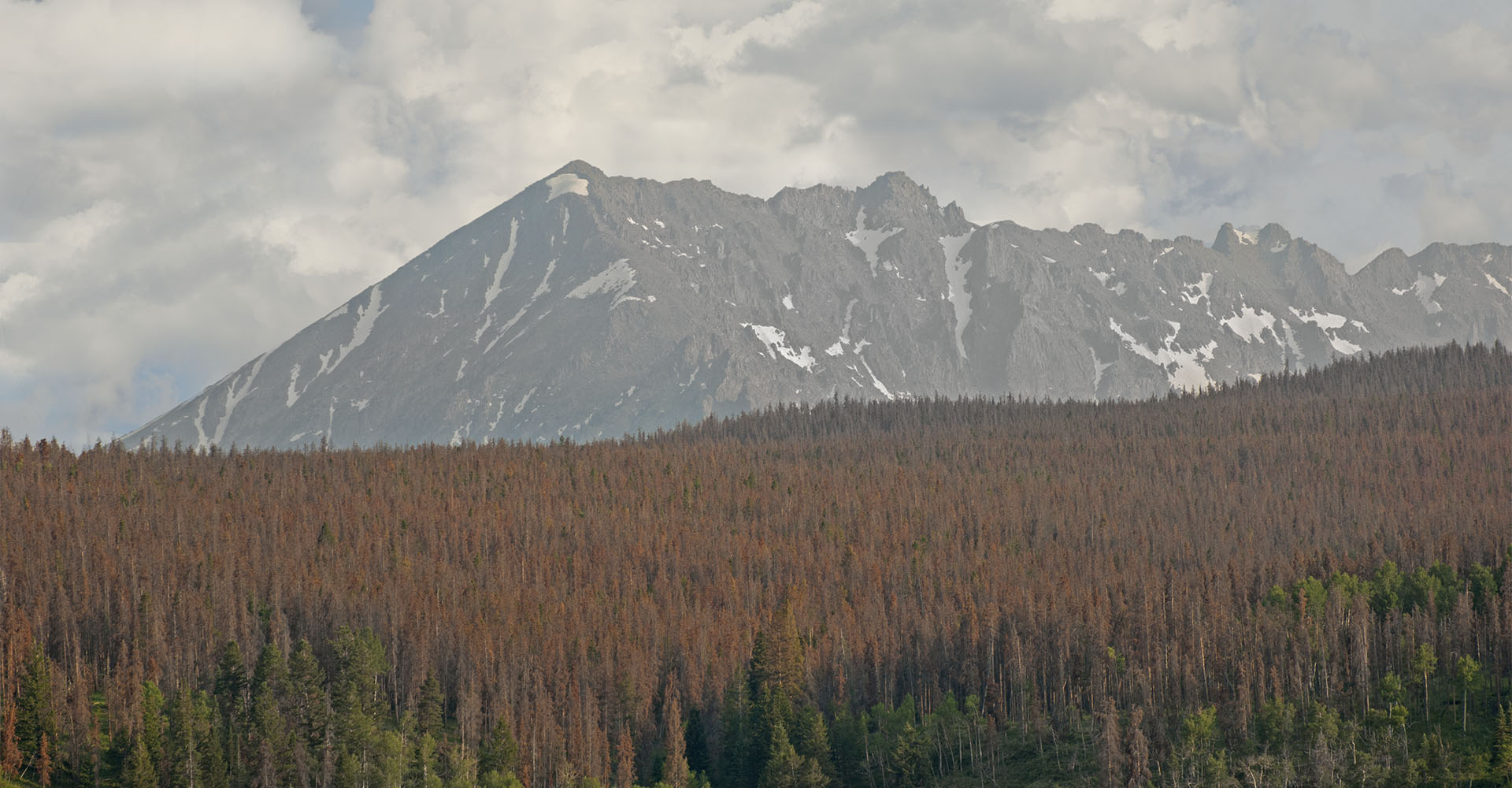
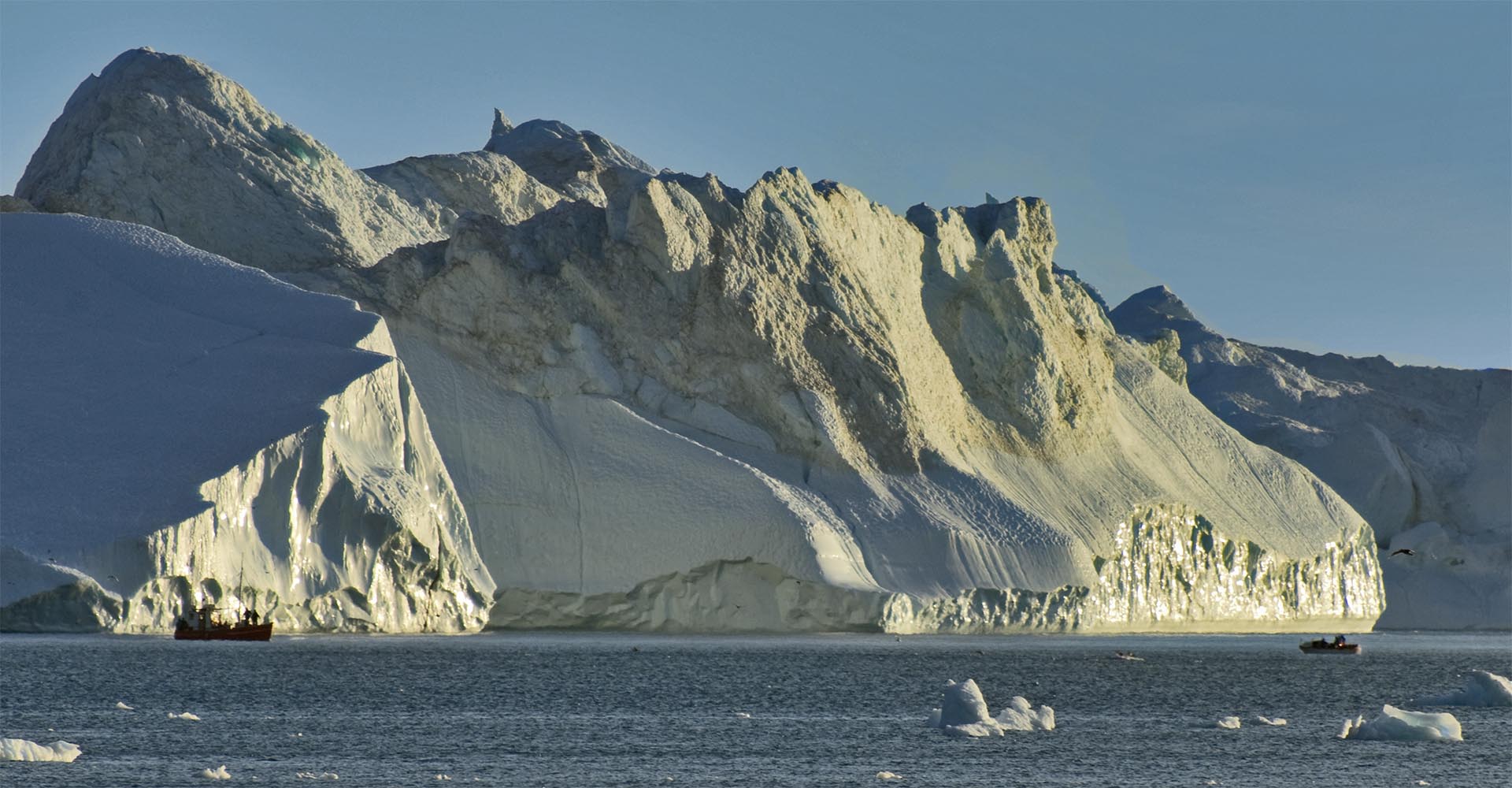
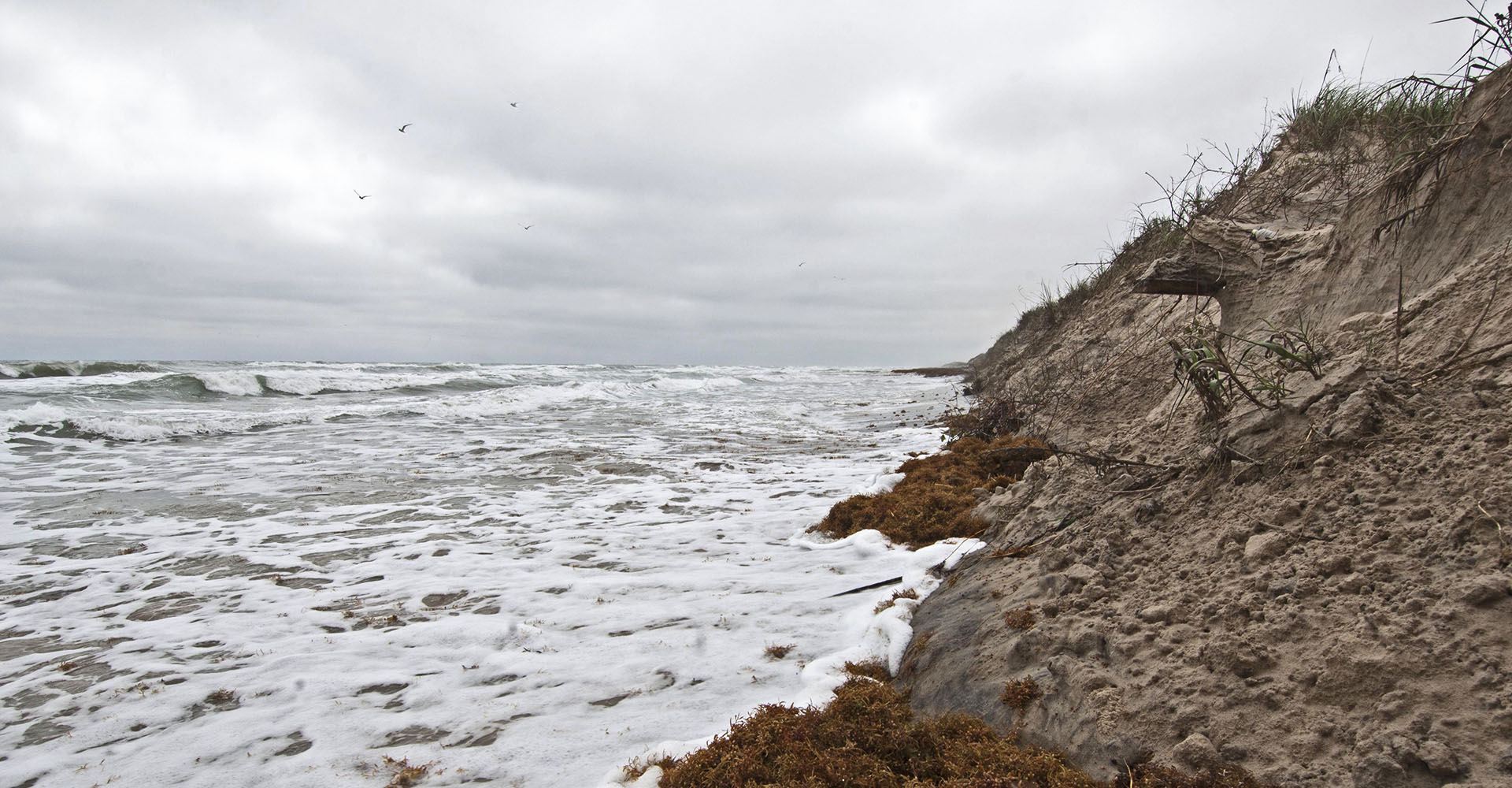
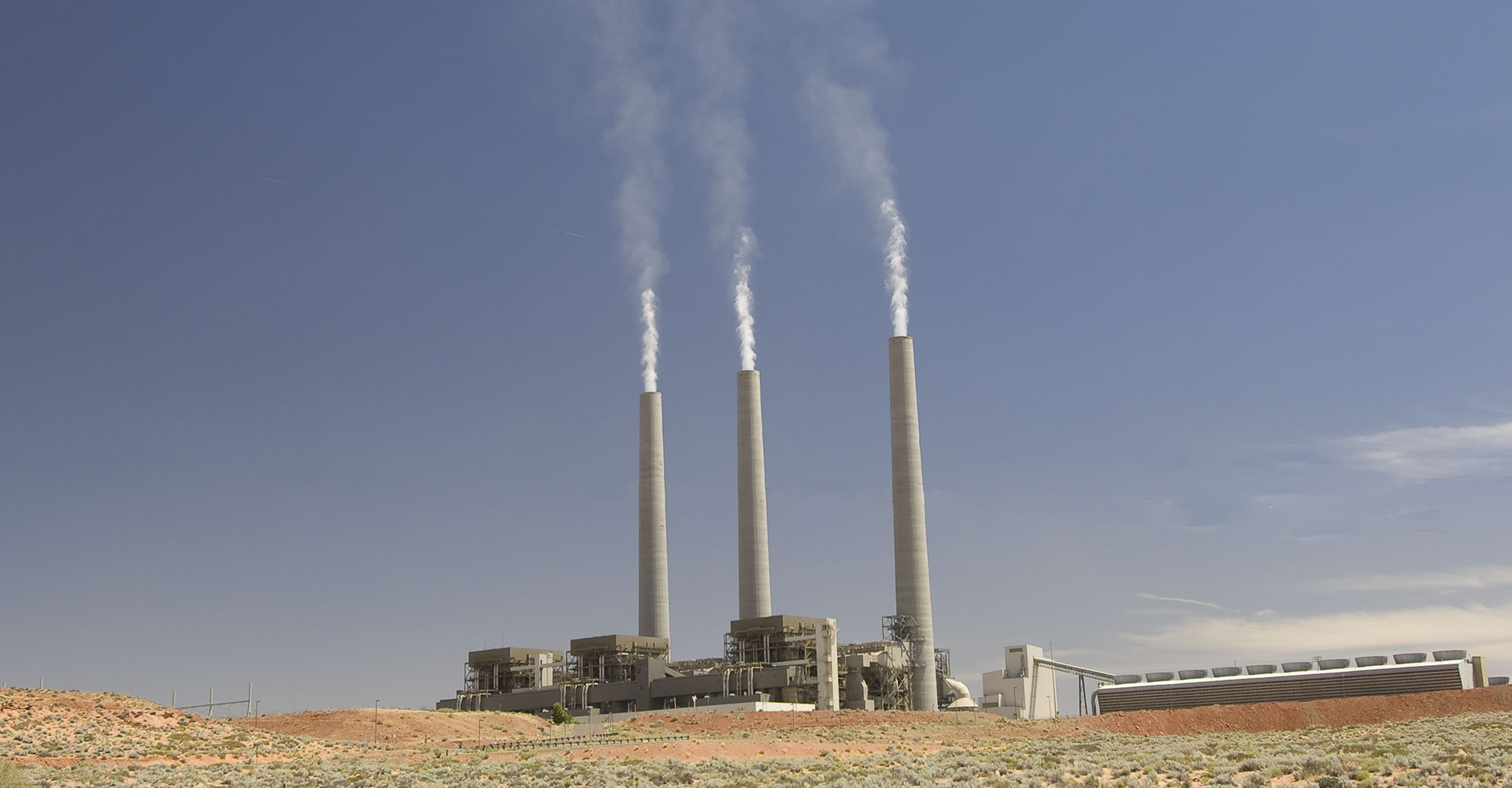
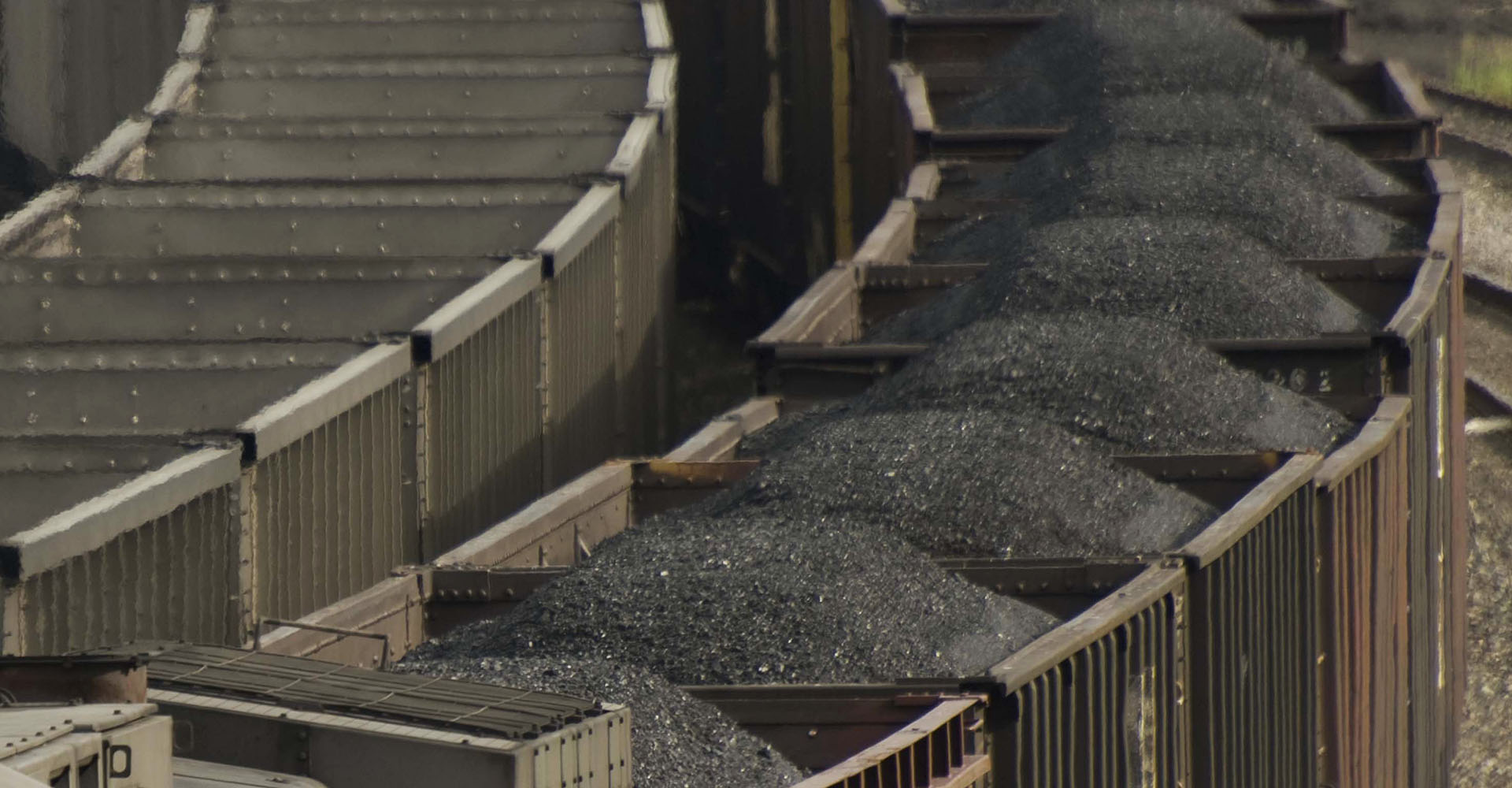
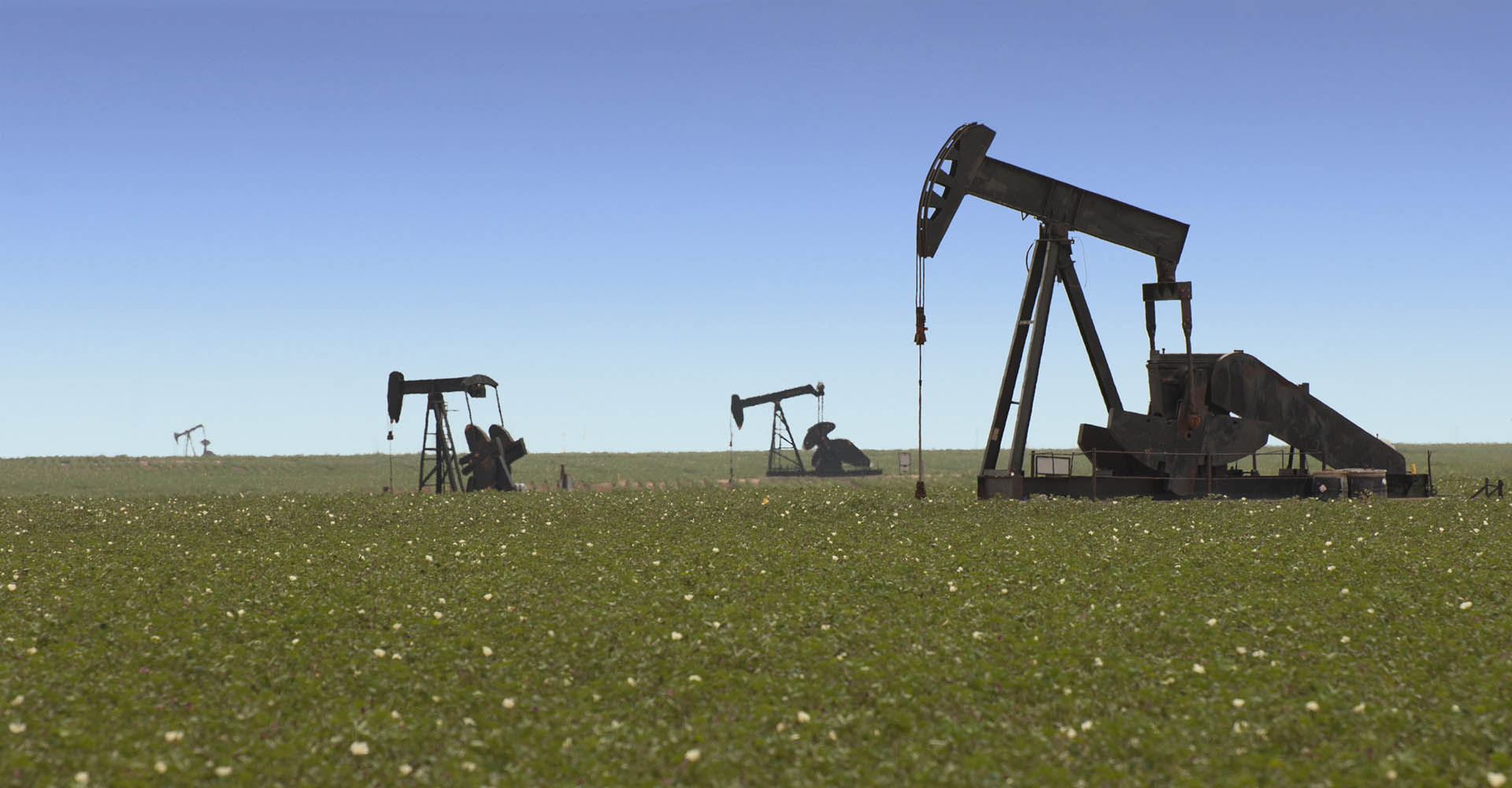
The perceived debate has devastated traditional climate science education The solutions however, are not what they seem New technologies are vastly more cost effective than this "perceived debate" implies Climate Change ... and will get much worse faster Are as bad -or worse- than they seem because of previous delay Impacts are no more costly than what we spend on advertising every year... Solutions Climate Discovery brings you the real science More robust than every before Using plain English The written word For more, swipe on, scroll down or click the menu From the field and from academia Films and music 92 million acres of forest killed: by a native beetle gone berserk because of warming. 500% increase: Greenland ice loss ... in last 10 years. Previously stable beaches already gone ... during normal, non-storm conditions. Research now shows that global cooling smog from coal has masked more than half of current warming that should have already occurred. reveals the masked warming creating more warming than if we did nothing at all. -- when emissions of sulfates cease in the next 20 to 30 years Killing Coal Leave it in the ground Take it out of the sky Hurry... ... We do not have time to wait any longer Climate Discovery and the We make the science clear. Climate Change Now Initiative:

Solutions Our Films In-depth Knowledgebase Galleries Knowledge Base Lines blur between climate change and reality

"World’s last chance to stop climate change before it passes the point of no return." European Environmental Commissioner Stavros Dimas

By Uncategorized

I keep telling all my friends, I don’t make this stuff up.  It has deadly serious implications for global society and the continuance of Earth’s environment, and lately, it seems to be coming at us from all sides – just as the popular media has seemingly lost nearly 100% of its attention span. The above…

Read More

Wilkins Ice Sheet Collapses – The Size of Connecticut: Implications for the West Antarctic Ice Sheet

By Uncategorized

The disintegration of the largest ice shelf ever known to collapse started in February 2008 during the Antarctic summer. Signs of the breakup continued during the deep polar winter, something else that has never been seen before. The European Space Agency has now announced that the breakup amounts to 14,000 square kilometers, or over 5,000…

Read More

International Geophysical Year (IPY): $1.2 billion in research says climate change is worse than previously understood and will likely get worse before it gets worse. (Preliminary Report)

By Impacts

IPY is the largest internationally coordinated planetary research effort in the past 50 years. More than 160 endorsed science projects are included in this report from researchers in more than 60 countries from the period March 2007 to March 2009 to allow for observations during the alternate seasons in both polar regions. The IPY is…

Read More

The good news is that we know it is going to be much worse than previously predicted: MIT Updates their climate projections – The bad news is that the media has now begun to completely ignore the environment

By Impacts

MIT projections are almost double the IPCCs. Very scary stuff, and this makes four major publications in as many weeks that the media has not  acknowledged. And it is great climate change art too. The "no policy scenario" is business as usual. The policy scenario is the middle scenario of several likely alternatives used by…

Read More

Monaco Declaration Press Release: Marine Ecosystem Protection

By Oceans

Monaco Declaration Press Release: Urgent action is needed to limit damages to marine ecosystems, including coral reefs and fisheries, due to increasing ocean acidity, according to 155 of the world’s scientific experts who will release the Monaco Declaration this Friday. The Declaration is based on results from the Second International Symposium on the Ocean in…

Read More

Methane time bomb

By Methane, Permafrost

Dr. Katey Walter, from the University of Fairbanks, sees methane like many climate scientists these days. The warming across the planet is concentrated at the poles because of what is called polar amplification. This means that the Arctic is warming even more than the rest of the Earth. In many places the Arctic has already…

Read More

Sterns makes dire statements

By Emissions

(AP Press)Eminent British economist Lord Nicholas Sterns made some dire statements while visiting Antarctica with an team of key international climate leaders:  "… if negotiators falter, if emissions reductions are not made soon and deep, the severe climate shifts and sea-level rises projected by scientists would be "disastrous."  If we don’t deal with climate change…

Read More

More from Fields Below – Astonishing news about Permafrost

By Permafrost

February 15, 2009 More from Fields Below – Astonishing news about Permafrost Catastrophic permafrost melt is one of the likely abrupt climate change feedback scenarios.  Major permafrost melt has already happened and the melt rate is increasing rapidly.  Hundreds of thousands of years of frozen, partially decomposed tundra is at risk of thawing.  Scientists aren’t…

Read More

US Geological Survey Report – U.S. Climate Change Science Program. Thresholds of Climate Change in Ecosystems

By Abrupt changes

(170 pages) Ecological thresholds occur when external factors, positive feedbacks, or nonlinear instabilities in a system cause changes to propagate in a domino-like fashion that is potentially irreversible.  Atmospheric carbon dioxide has reached levels unprecedented in possibly the last 24 million years. CO2 concentrations have risen by 34%, mostly in the last several decades. Global…

Read More

Co Chair of Climate Impacts Panel at IPCC says 2007 Assessment Report was Significantly Conservative – Warns of Eminent Abrupt Changes

By Emissions Scenarios

Chris Field, Coordinating Chair of the Climate Impacts Working Group for the IPCC says: "We now have data showing that from 2000 to 2007, greenhouse gas emissions increased far more rapidly than we expected… In the fourth assessment, we looked at a very conservative range of climate outcomes, the fifth assessment should include futures with…

Read More

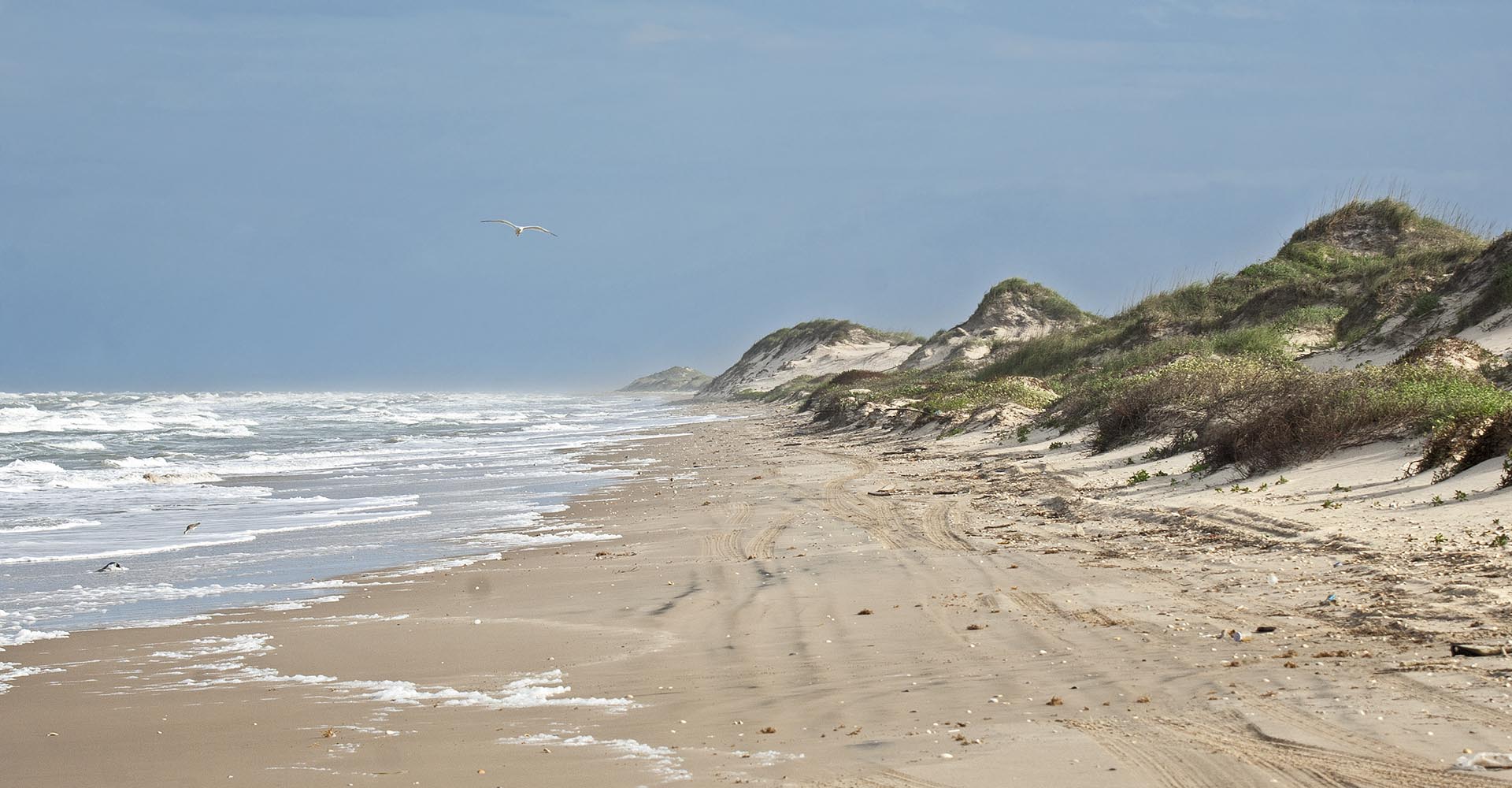
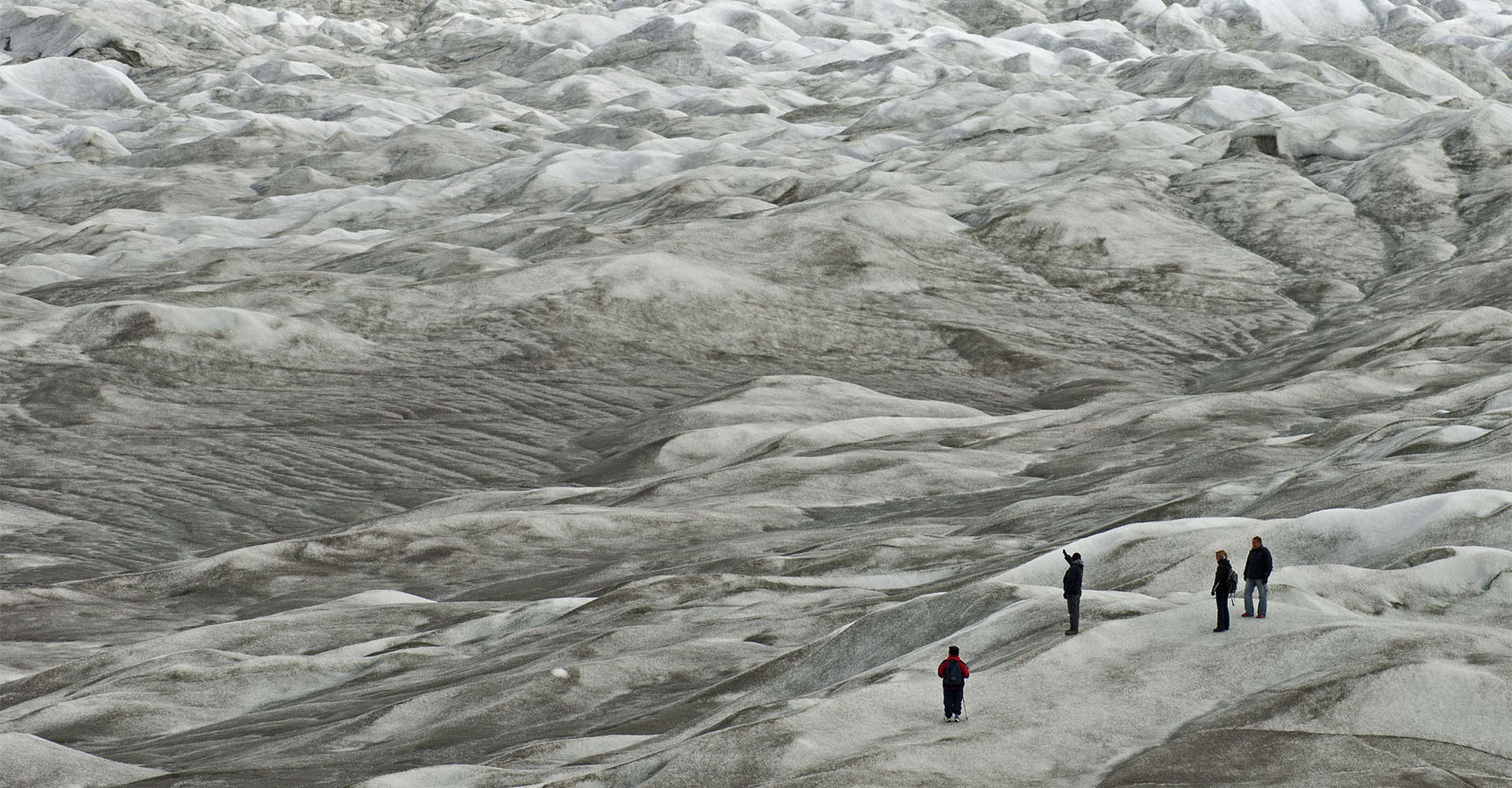
Red kill: Rocky mountain pine bark beetle, Steamboat Lake, Colorado Red kill: Rocky mountain pine bark beetle, Silverthorne, Colorado Red kill: Rocky mountain pine bark beetle, Rocky Mountain National Park, Colorado. Red kill: Rocky mountain pine bark beetle, North of Steamboat Springs, Colorado Pitch tubes: A tree's only defense against bark beetles. Pheromones, or natural beetle hormones, both attract and repel beetles and can be used as defense. Pesticides work too, but application timing is critical and spraying the world is likely improbable. Gray kill: During the first three years needles are bright red, brown and then fall off entirely. Only cold of -20 to -40 straight, in early and in mid winter respectively, can kill the beetle. Those temperatures disappeared about the turn of the 21st century. In areas of human occupation, dead trees become falling hazards quickly and must be removed. Blue slashes and flagging mark trees to be cut. These are white bark pine in Yellowstone National Park. Logged beetle kill, Prospector Campground, Dillon Reservoir, central Colorado. for up to about five years the dead wood can be used for lumber early and pelletized fuel late. After that the tops of the trees are too brittle and fall on logging machinery and loggers. Red kill: Rocky mountain pine bark beetles once attacked mostly lodgepole pines like these in Rocky Mountain National Park. Now there are so many beetles they are attacking even spruce trees. The scale of the kill is immense at more than 20 times greater than anything before. The attack is at 92 million acres.For comparison, Yellowstone is two million acres. Permafrost melt, Denali Highway, Alaska. Tree kill from soil saturation due to melted permafrost. East of Fairbanks, Alaska. Permafrost meltwater pool and drowned trees near Chena, Alaska. Permafrost meltwater ponds, Denali Highway, Alaska. Permafrost meltwater pond, Fairbanks, Alaska (within city limits). A meltwater river flows from beneath the Greenland Ice Sheet. The dark ice is dust from eons of accumulation and surface melt. Ice loss in Greenland has increased over 500 percent in ten years. Surface melting creates a very rough, surface where accumulated dust does not wash away. These drifts are solid ice. Around the perimeter of the ice sheet at low elevations the ice is melting tens of feet per year or more. The scale of melt is immense. This moraine is 100 feet high and the ice once towered over it. The ice flows in rivers and tongues and colder, drier times with more dust can be seen in the layers of older ice, closer to the edge. Also note how much lower the surface is than the moraines deposited along the margins of the ice. Most of this melt is recent as the ice has been in equilibrium since the Little Ice Age that ended 150 to 200 years ago. Less than a mile from its edge the ice sheet can be 1,000 feet tall. At it's center it is 11,000. The calving face of the ice sheet can be over 200 feet tall. The light is fantastically ever changing. Ilulissat Icefjord: Millions of icebergs , five times more than at the turn of the century, pour through Greenland's icefjords. Meltwater drains to the bottom of the ice sheet through holes, or moulins. There it lubricates the flow of the ice sheet, further increasing discharge of bergs. Bubbles of ancient air trapped in the ice have confirmed many hypothesis about how and when our climate has radically changed before. Bergs calve like thunder from massive ice cliffs at all hours of the day. Beach erosion is rapidly accelerating on Padre Island. Mile 30 beyond the 4x4 only sign. This beach was once 200 to 300 feet wide. Padre Island National Seashore, mile 7. Most of the erosion has been recently. Mile 50, Padre Island National Seashore. Padre Island is sinking naturally with little man made subsidence, but before the turn of the 21st century, it wasn't enough to cause massive beach erosion. Sand starvation from inland reservoirs plays a role too, but historically these beaches have been stable. South Padre Island has a little more trouble with more sand starvation from the Rio Grande and less rainfall to grow stabilizing dune grasses. Here, in places erosion is extreme. this is high tide, non-storm conditions. Several places along South Padre have been eroding more or less since the dams went up on the Rio Grande, but since the turn of the century the rate has likely increased significantly. October 2014, King tide, biggest tide of the autumn. Again in 2014, no storms of any consequence on the Texas Coast. Erosion down by the Mansfield jetties is much greater than in 2013. The worst on North Padre in 2013 was a few miles from the Mansfield Pass jetties in the sand starvation zone. The beach has never been wide here and during storms is often the first to erode. But normally, the beach builds back. This erosion is happening in non-storm conditions. At times the four-wheel drive trail is challenging. South Padre, Mile 13 beyond end of pavement. This is the first stage of barrier island disintegration. The beach goes first. The beach protects the dunes, which in turn protect the rest of the island.





























