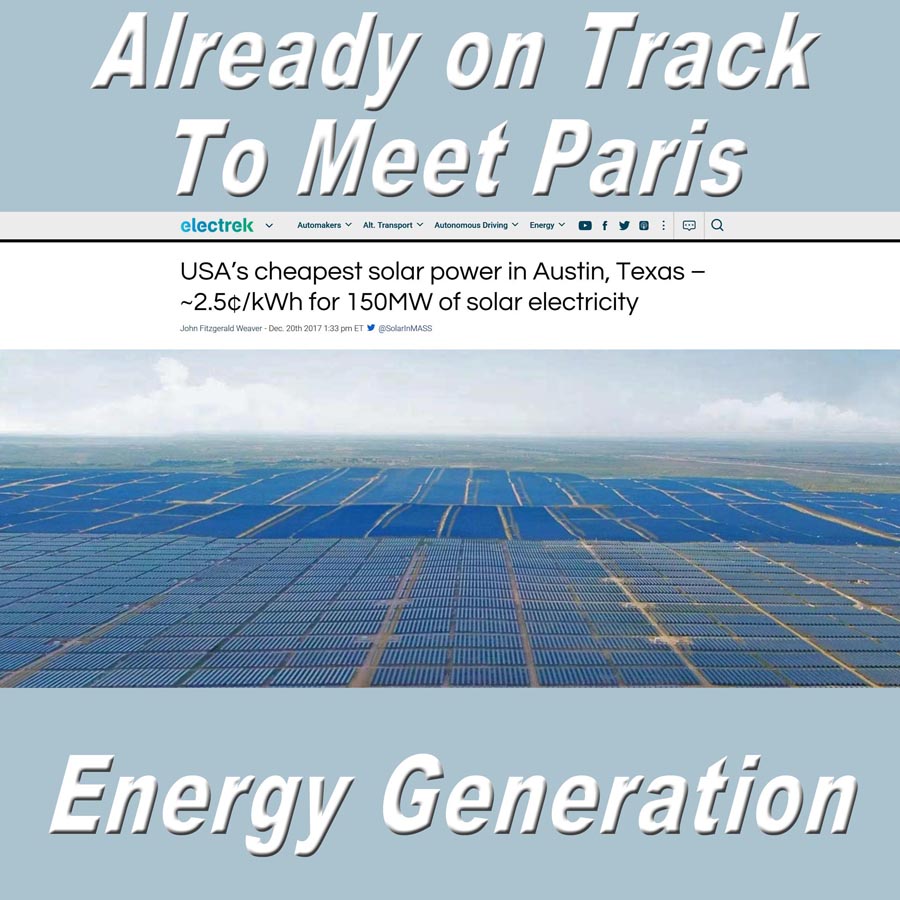
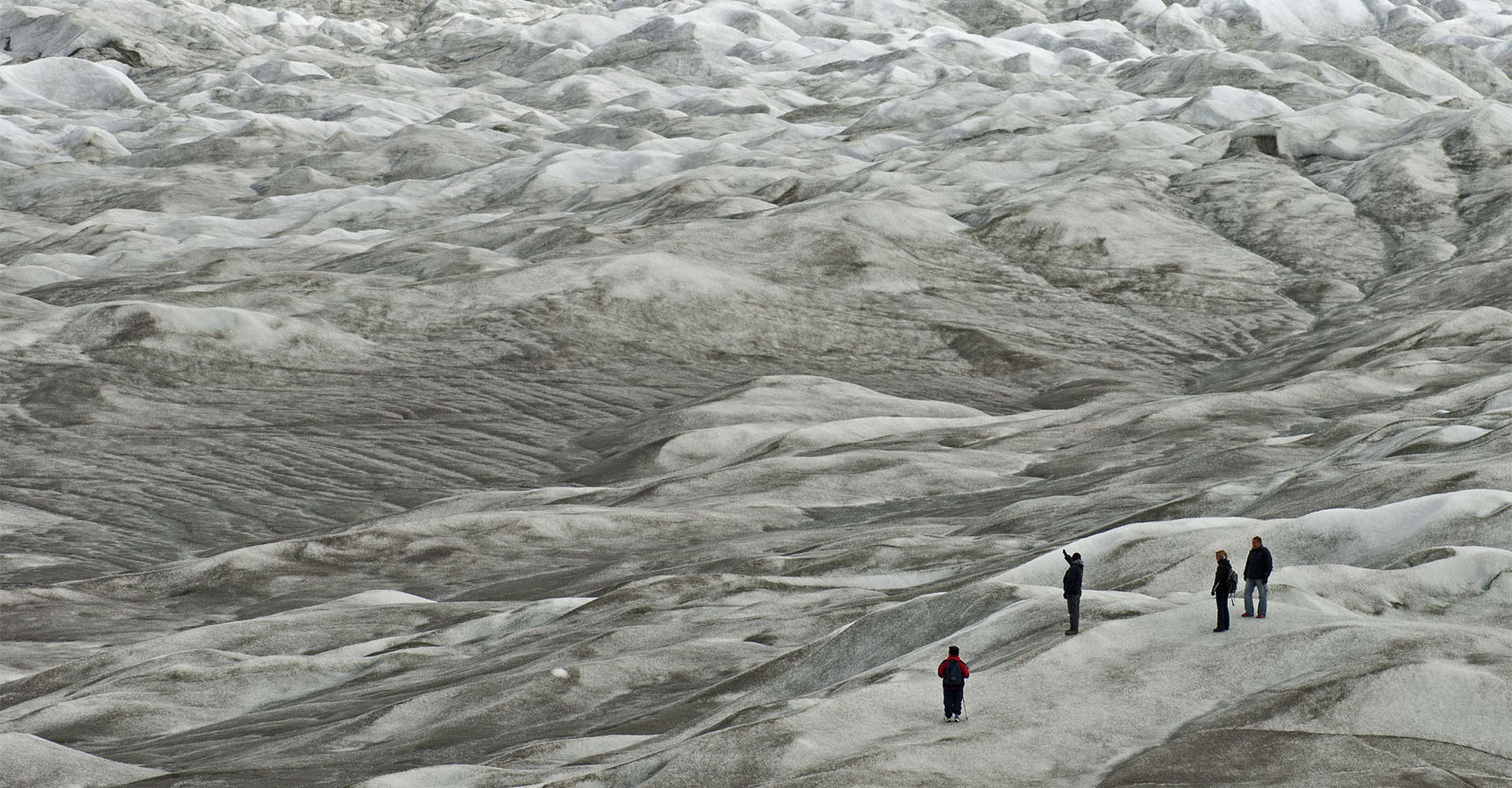

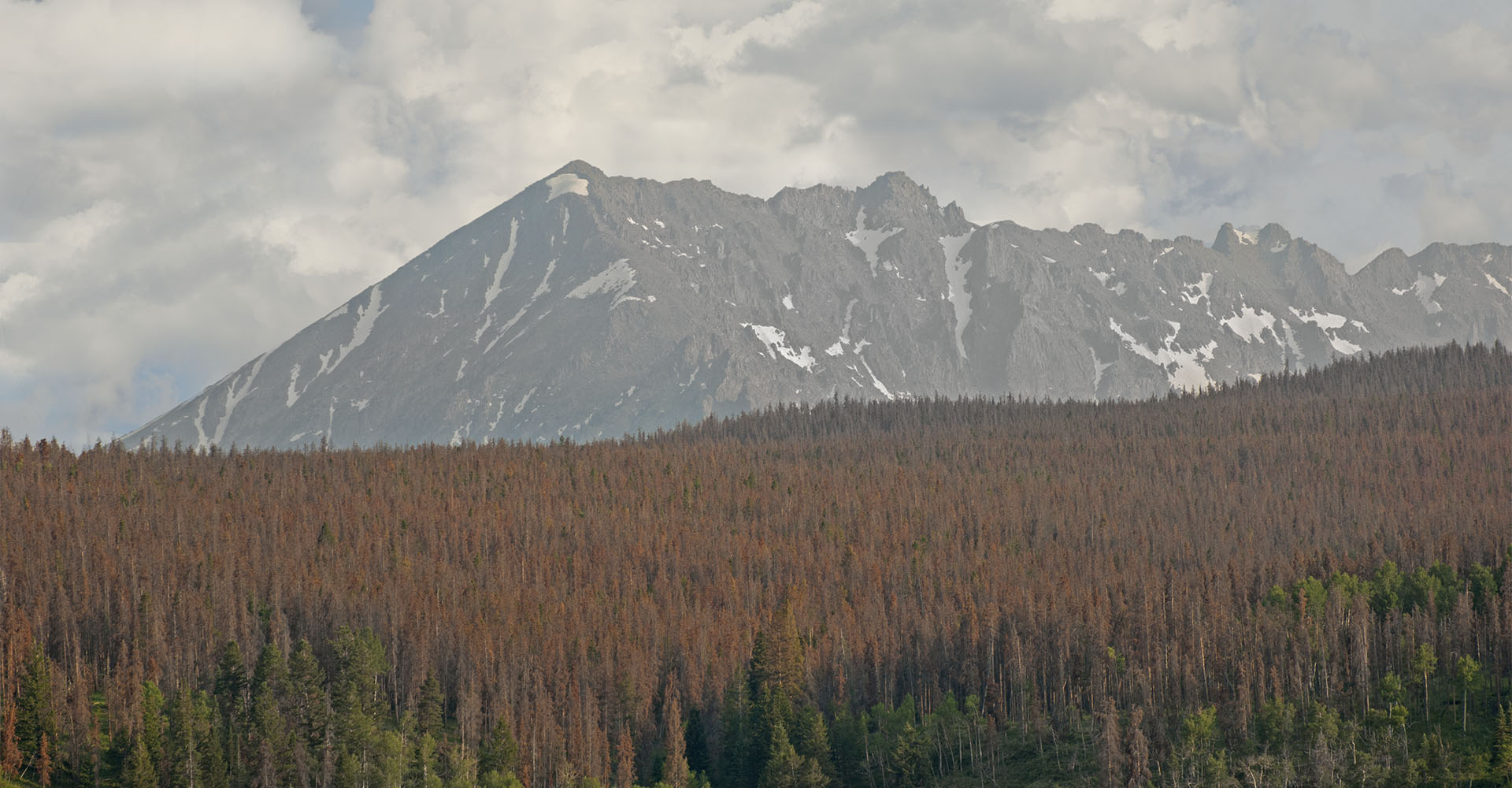
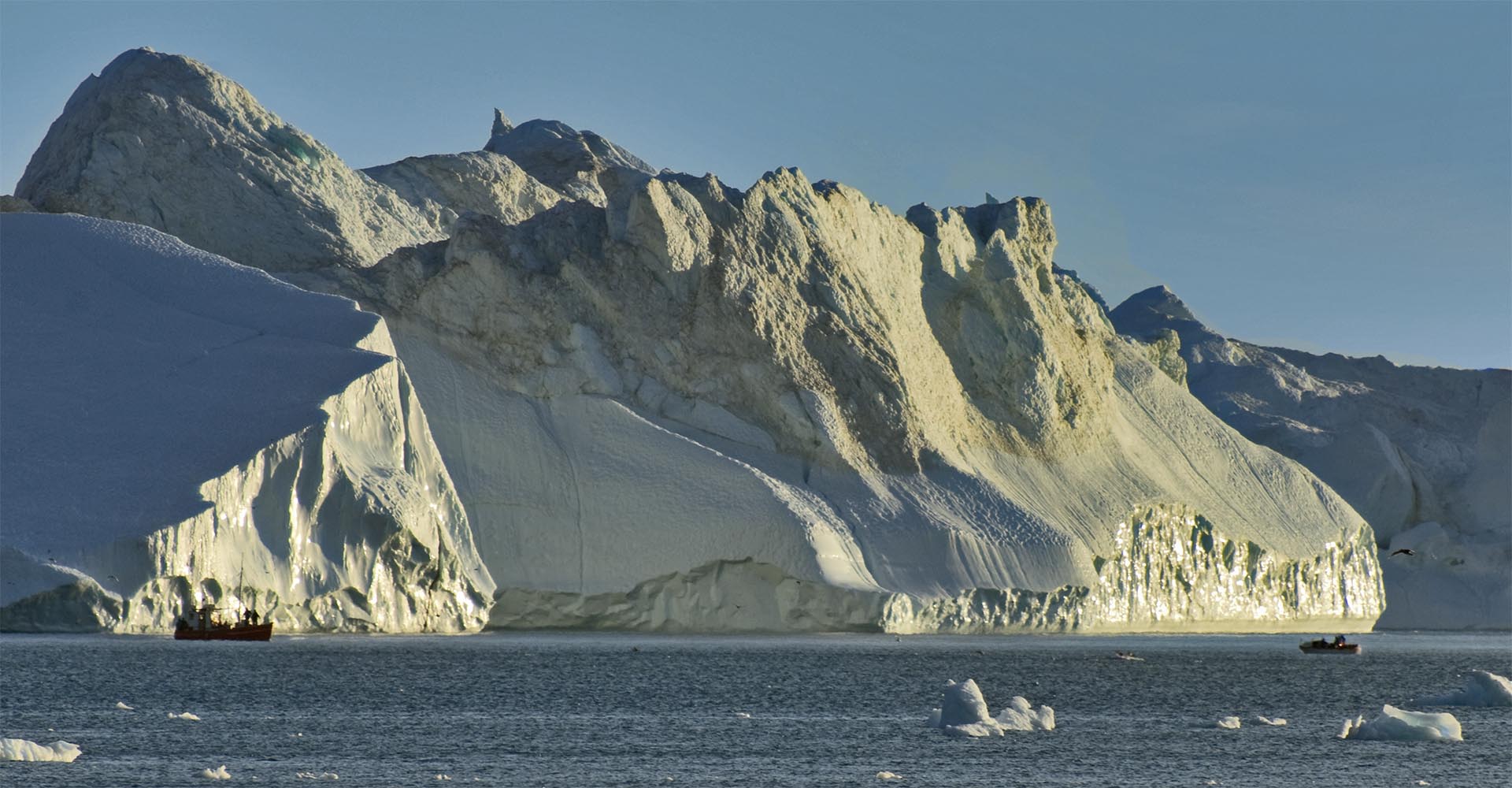
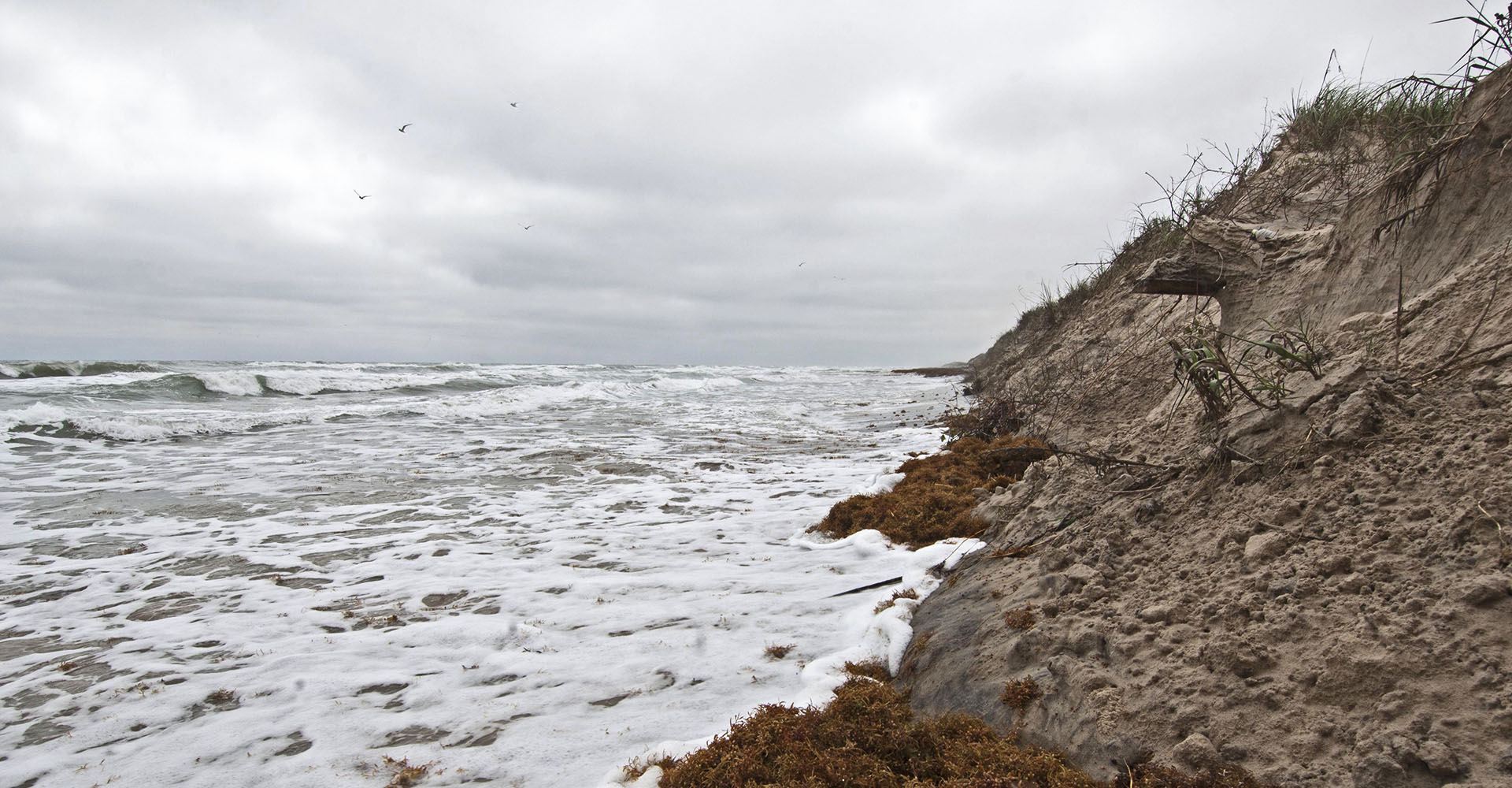
The perceived debate has devastated traditional climate science education The solutions however, are not what they seem New technologies are vastly more cost effective than this "perceived debate" implies Climate Change ... and will get much worse faster Are as bad -or worse- than they seem because of previous delay Impacts are no more costly than what we spend on advertising every year... Solutions Climate Discovery brings you the real science More robust than every before Using plain English The written word For more, swipe on, scroll down or click the menu From the field and from academia Films and music 92 million acres of forest killed: by a native beetle gone berserk because of warming. 500% increase: Greenland ice loss ... in last 10 years. Previously stable beaches already gone ... during normal, non-storm conditions. Research now shows that global cooling smog from coal has masked more than half of current warming that should have already occurred. reveals the masked warming creating more warming than if we did nothing at all. -- when emissions of sulfates cease in the next 20 to 30 years Killing Coal Leave it in the ground Take it out of the sky Hurry... ... We do not have time to wait any longer Climate Discovery and the We make the science clear. Climate Change Now Initiative:

Solutions Our Films In-depth Knowledgebase Galleries Knowledge Base Lines blur between climate change and reality

How much CO2 reduction, how much does it cost, and what’s it worth? A Detailed Primer

By Abrupt changes, Climate Reform, climate restoration, climate solutions, CO2 Removal and Sequestration, Healthy Climate, Negative emissions, Strategy

How much CO2 reduction, how much does it cost, and what’s it worth? A Detailed Primer We have been moving towards the answers to these questions forever it seems, so here goes: Immediately below is my summary. Further down are thoughts on how I arrived at these numbers. These costs assume that we can do…

Read More

Off The Shelf DAC – $100 a Ton Using WW II Technology

By climate restoration, climate solutions, CO2 Removal and Sequestration, Healthy Climate, Negative emissions, Solutions

The folks at Carbon Engineering in Squamish, British Columbia have been working on their process since 2009. Normally, this type of proprietary process remains concealed because of the vast possibility of massive revenue generation. In a bold move, Carbon Engineering has released their process in the journal Joule in a paper lead by David Keith…

Read More

The 45Q Carbon Sequestration Tax Credits: First Steps or Moral Hazard?

By Abrupt changes, Climate Culture, Climate Policy, Climate Reform, climate restoration, climate solutions, CO2 Removal and Sequestration, economics, Healthy Climate, Legacy Policy, Negative emissions, politics, Solutions, Strategy, What we can do

  The 45Q Carbon Sequestration Tax Credits: First Steps or Moral Hazard? Summary: The new enhancements to Obama’s 45Q carbon dioxide sequestration tax credits are widely seen as a boon to the oil industry. A deeper look reveals they could be the incentive that allows us to actually reverse warming, something that most people understand…

Read More

07-06-2018: Rag Radio Environmental Reporter Bruce Melton from Yosemite Park

By Podcasts

Rag Radio 2018-07-06 – Rag Radio Environmental Reporter Bruce Melton from Yosemite Park Live by Rag Radio with Thorne Dreyer Podcast – https://archive.org/details/RagRadio2018-07-06-BruceMelton Climate change researcher and Rag Radio environmental reporter Bruce Melton is Thorne Dreyer‘s guest on Rag Radio, joining us live from Yosemite National Park (actually from Fresno, where he could get cell phone service). Melton is…

Read More

New Evaluation of Climate Models Reveals Abrupt Changes Ahead of Schedule

By Abrupt changes, Drought, Extreme Weather, forest health, Forest Mortality, Gulf Stream, ice sheets, Impacts, modeling, The Unexpected

  New Evaluation of Climate Models Reveals Abrupt Changes Ahead of Schedule It’s not the averages that will mess up your hair, it’s the gusts. This work on modeling the unmodelable (Drijfhout 2015) is a couple of years old now, but it gives enormous insight into why it is that “ice cube melt climate science” is…

Read More

Alaska Flips From Greenhouse Gas Sink to Source Because of Permafrost Melt

By Abrupt changes, Methane, Permafrost

Alaskan Permafrost Flipped from Carbon Sink to Carbon Source Because of Permafrost Melt Climate Change is here. Alaskan permafrost is now emitting more greenhouse gases than it is storing according to work from Harvard, the Dublin Institute of Technology, Universities of Alaska, Colorado at Boulder, California at Irvine, NOAA and others in this powerhouse paper….

Read More

Simple Solution to Climate Pollution

By Climate Culture, Climate Policy, Climate Reform, climate restoration, climate solutions, CO2 Removal and Sequestration, Healthy Climate, Legacy Policy, Negative emissions, Solutions, Strategy, What we can do

Simple Solution to Climate Pollution A must read: “Lackner and Jospe, Climate Change is a Waste Management Problem, Issues in Science and Technology, June 2017.” Times have changed. Delay has created a new climate that requires new strategies. The following is a summary of this must read article. Summary of “Climate Change is a Waste Management…

Read More

Batteries, Wind, Solar, The Paris Path Arrives – Excel Energy Across Central U.S.

By alternatives, Batteries, climate solutions, economics, Emissions Scenarios, Solutions

  Batteries, Wind, Solar, The Paris Path Arrives – Excel Energy Across Central U.S. Xcel Energy, the dominant electricity and natural gas supplier in eight states from Wisconsin through the Dakotas to Texas, with $11 billion in 2017 revenues, and 3.3 million electric and 1.8 million gas customers, is proving that wind and solar energy…

Read More

Yes, We Can Get 100 Percent of our Energy From Renewable Resources

By alternatives, climate solutions, economics, Solutions, Strategy

Yes, We Can Get 100 Percent of our Energy From Renewable Resources A comprehensive review of hundreds of studies on the feasibility of 100 percent alternative energy. In March 2017, Heard et al., published a study of 24 works on the feasibility of 100 percent renewable energy. Their findings were not favorable. But on April…

Read More

Lazard 3.0: Dramatic Fall in Battery Costs

By alternatives, climate solutions, economics, Solutions

Battery Storage Costs Plummet Lazard was founded in 1848 and is a financial advisory and asset management firm that caters primarily to institutional clients. They began preparing a global evaluation of the levelized cost of energy for new energy generation installations in 2009, and for energy storage in 2015. “Levelized costs of energy (LCOE)” are…

Read More

A Healthy Climate: Isn’t This the Goal?

By Climate Culture, Climate Policy, Climate Reform, climate restoration, climate solutions, Emissions Scenarios, Healthy Climate, Legacy Policy, Messaging, Negative emissions, politics, Psycho, Solutions, Strategy

Most of us think a healthy climate will result from emissions reductions. Time and again however, the science says this is not so. The reason? Emissions reduction strategies are about 30 years old and we have emitted as much climate pollution in about the last 30 years as we emitted in the previous 200 years….

Read More

Global Environmental Sustainability and a Healthy Climate: Climate Policy 2.0

By adaptation, alternatives, Climate Catastrophes, climate change counter movement, Climate Culture, Climate Policy, Climate Reform, climate restoration, climate solutions, CO2 Removal and Sequestration, Deniers and Delayers, Emissions, Emissions Scenarios, Extreme Weather, global warming psychology, Healthy Climate, Impacts, Legacy Policy, Messaging, Negative emissions, politics, Psycho, Scenarios, Solutions, Strategy, What we can do

  Global Environmental Sustainability and a Healthy Climate: Climate Policy 2.0 We all want a healthy climate and assume that emissions reductions will give us this healthy climate, but emissions reductions alone allow triple to quintuple the warming we have already seen. Today, the public and policy makers –almost completely– believe emissions reductions strategies can…

Read More

Trump’s Climate Science: EPA’s Latest Muzzle

By Climate Policy, Climate Reform, Deniers and Delayers, Myths, politics, Trump

Trump’s Climate Science: EPA’s Latest Muzzle The latest is this memo (below) to the EPA requiring them to deliberately confuse the scientific position on climate change. It was supposedly written by Joel D. Scheraga, EPA Senior Adviser for Climate Adaptation. Scheraga was on the team that produced President Obama’s 2013 Climate Action Plan and was a Lead…

Read More

Sing Delay, Delay, Delay: 0.5 C Limit to Dangerous Climate Change

By Abrupt changes, Climate Policy, Climate Reform, climate restoration, Emissions, Gulf Stream, ice sheet, Impacts, Legacy Policy, Methane, modeling, sea ice, Strategy, West Antarctic Ice Sheet

Sing Delay, Delay, Delay When serious discussions about global warming gases and fossil fuels began in the 1980s, all that was needed to prevent what would become labeled as dangerous climate change was a reduction of the emissions of global warming gases. Since that time, we have emitted as much CO2 as we emitted in…

Read More

CO2 Capture – We have The Technology

By Climate Culture, Climate Policy, Climate Reform, climate restoration, climate solutions, CO2 Removal and Sequestration, Emissions, Emissions Scenarios, Healthy Climate, Legacy Policy, Negative emissions, politics, Solutions, Strategy

Emissions: We have the Technology From the American Association for the Advancement of Science, Nature Outlook An article review by Bruce Melton First published in the Austin Sierran in March 2018 Atmospheric carbon capture is not yet a mainstream topic in climate policy, but to meet even the goals of the Paris Agreement, it is something that…

Read More

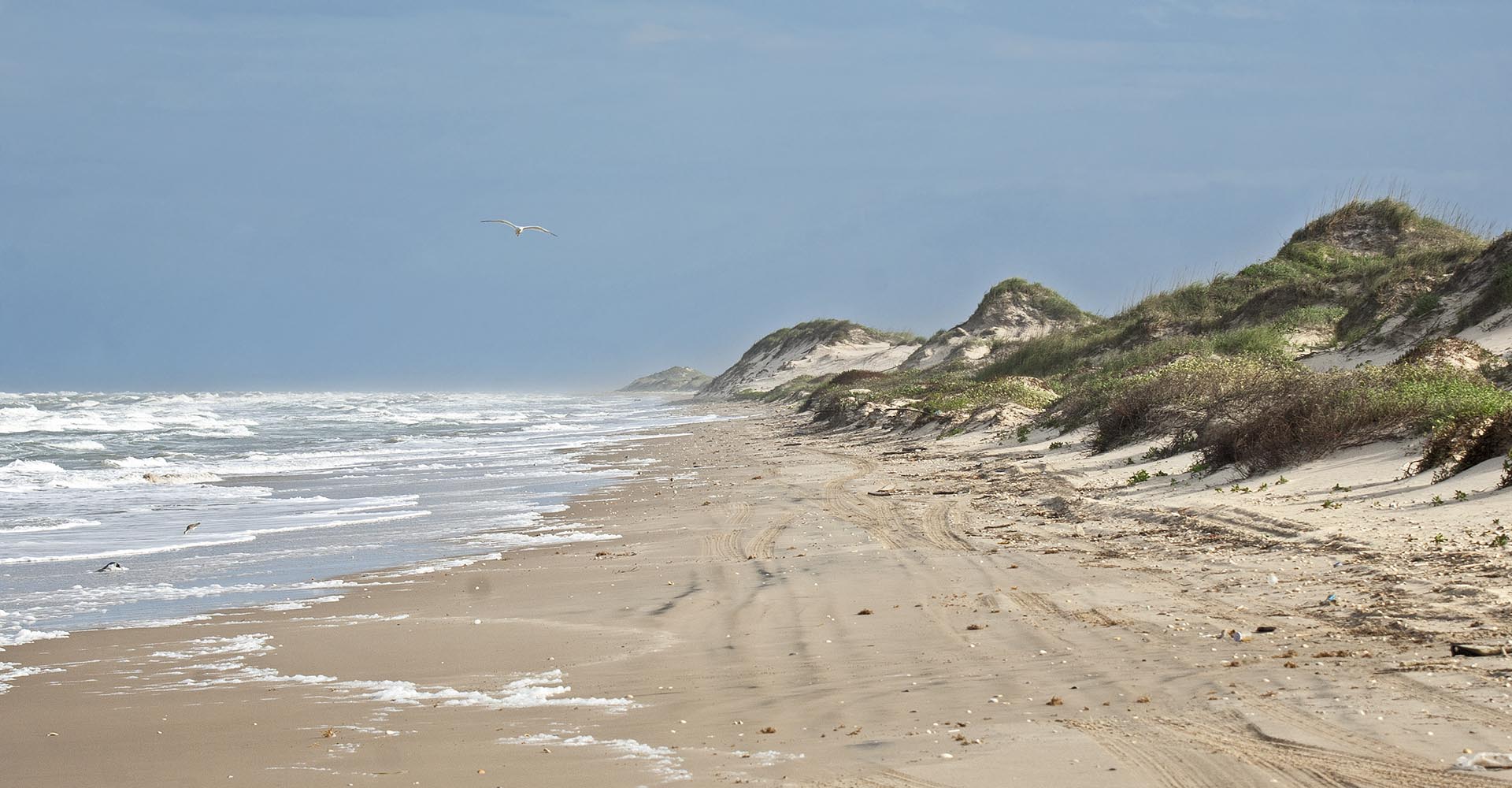
Red kill: Rocky mountain pine bark beetle, Steamboat Lake, Colorado Red kill: Rocky mountain pine bark beetle, Silverthorne, Colorado Red kill: Rocky mountain pine bark beetle, Rocky Mountain National Park, Colorado. Red kill: Rocky mountain pine bark beetle, North of Steamboat Springs, Colorado Pitch tubes: A tree's only defense against bark beetles. Pheromones, or natural beetle hormones, both attract and repel beetles and can be used as defense. Pesticides work too, but application timing is critical and spraying the world is likely improbable. Gray kill: During the first three years needles are bright red, brown and then fall off entirely. Only cold of -20 to -40 straight, in early and in mid winter respectively, can kill the beetle. Those temperatures disappeared about the turn of the 21st century. In areas of human occupation, dead trees become falling hazards quickly and must be removed. Blue slashes and flagging mark trees to be cut. These are white bark pine in Yellowstone National Park. Logged beetle kill, Prospector Campground, Dillon Reservoir, central Colorado. for up to about five years the dead wood can be used for lumber early and pelletized fuel late. After that the tops of the trees are too brittle and fall on logging machinery and loggers. Red kill: Rocky mountain pine bark beetles once attacked mostly lodgepole pines like these in Rocky Mountain National Park. Now there are so many beetles they are attacking even spruce trees. The scale of the kill is immense at more than 20 times greater than anything before. The attack is at 92 million acres.For comparison, Yellowstone is two million acres. Permafrost melt, Denali Highway, Alaska. Tree kill from soil saturation due to melted permafrost. East of Fairbanks, Alaska. Permafrost meltwater pool and drowned trees near Chena, Alaska. Permafrost meltwater ponds, Denali Highway, Alaska. Permafrost meltwater pond, Fairbanks, Alaska (within city limits). A meltwater river flows from beneath the Greenland Ice Sheet. The dark ice is dust from eons of accumulation and surface melt. Ice loss in Greenland has increased over 500 percent in ten years. Surface melting creates a very rough, surface where accumulated dust does not wash away. These drifts are solid ice. Around the perimeter of the ice sheet at low elevations the ice is melting tens of feet per year or more. The scale of melt is immense. This moraine is 100 feet high and the ice once towered over it. The ice flows in rivers and tongues and colder, drier times with more dust can be seen in the layers of older ice, closer to the edge. Also note how much lower the surface is than the moraines deposited along the margins of the ice. Most of this melt is recent as the ice has been in equilibrium since the Little Ice Age that ended 150 to 200 years ago. Less than a mile from its edge the ice sheet can be 1,000 feet tall. At it's center it is 11,000. The calving face of the ice sheet can be over 200 feet tall. The light is fantastically ever changing. Ilulissat Icefjord: Millions of icebergs , five times more than at the turn of the century, pour through Greenland's icefjords. Meltwater drains to the bottom of the ice sheet through holes, or moulins. There it lubricates the flow of the ice sheet, further increasing discharge of bergs. Bubbles of ancient air trapped in the ice have confirmed many hypothesis about how and when our climate has radically changed before. Bergs calve like thunder from massive ice cliffs at all hours of the day. Beach erosion is rapidly accelerating on Padre Island. Mile 30 beyond the 4x4 only sign. This beach was once 200 to 300 feet wide. Padre Island National Seashore, mile 7. Most of the erosion has been recently. Mile 50, Padre Island National Seashore. Padre Island is sinking naturally with little man made subsidence, but before the turn of the 21st century, it wasn't enough to cause massive beach erosion. Sand starvation from inland reservoirs plays a role too, but historically these beaches have been stable. South Padre Island has a little more trouble with more sand starvation from the Rio Grande and less rainfall to grow stabilizing dune grasses. Here, in places erosion is extreme. this is high tide, non-storm conditions. Several places along South Padre have been eroding more or less since the dams went up on the Rio Grande, but since the turn of the century the rate has likely increased significantly. October 2014, King tide, biggest tide of the autumn. Again in 2014, no storms of any consequence on the Texas Coast. Erosion down by the Mansfield jetties is much greater than in 2013. The worst on North Padre in 2013 was a few miles from the Mansfield Pass jetties in the sand starvation zone. The beach has never been wide here and during storms is often the first to erode. But normally, the beach builds back. This erosion is happening in non-storm conditions. At times the four-wheel drive trail is challenging. South Padre, Mile 13 beyond end of pavement. This is the first stage of barrier island disintegration. The beach goes first. The beach protects the dunes, which in turn protect the rest of the island.