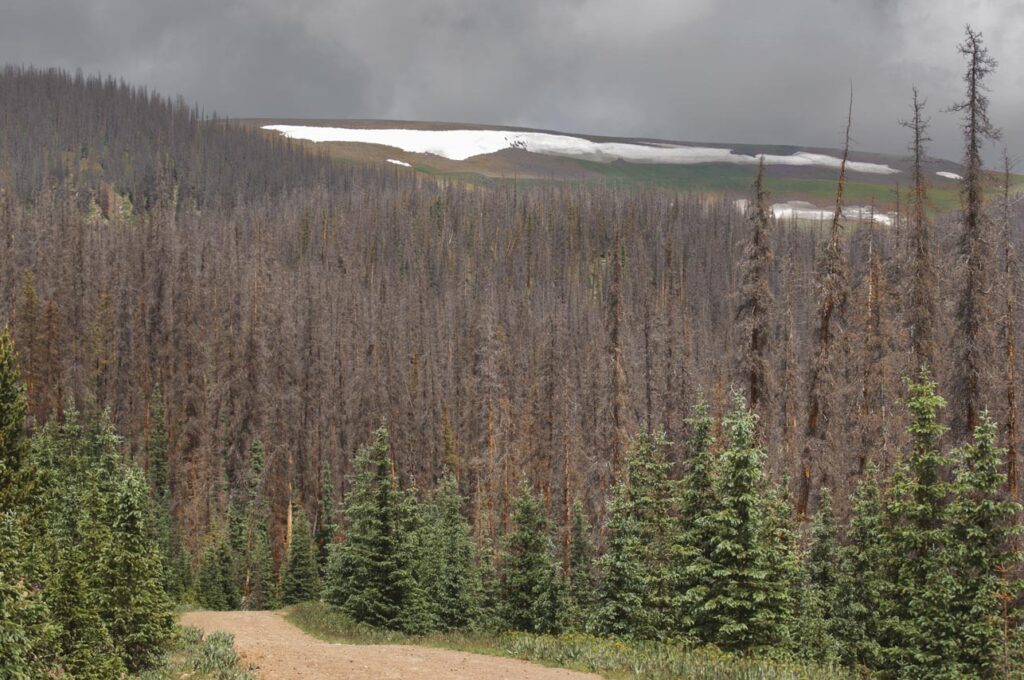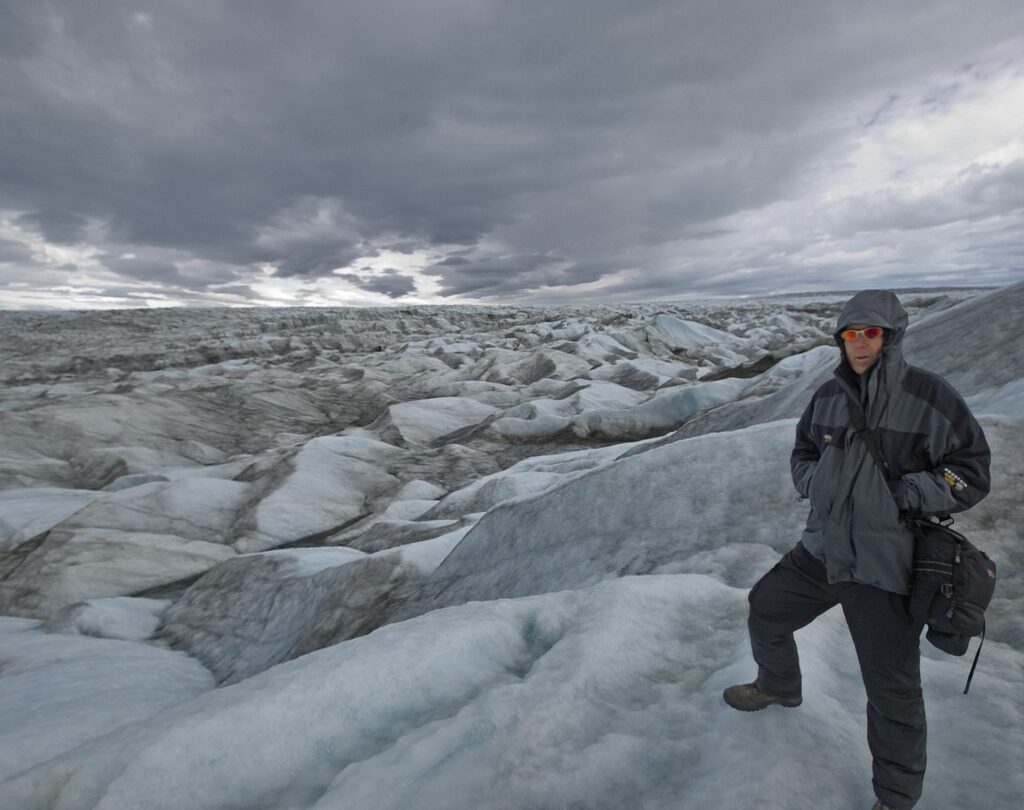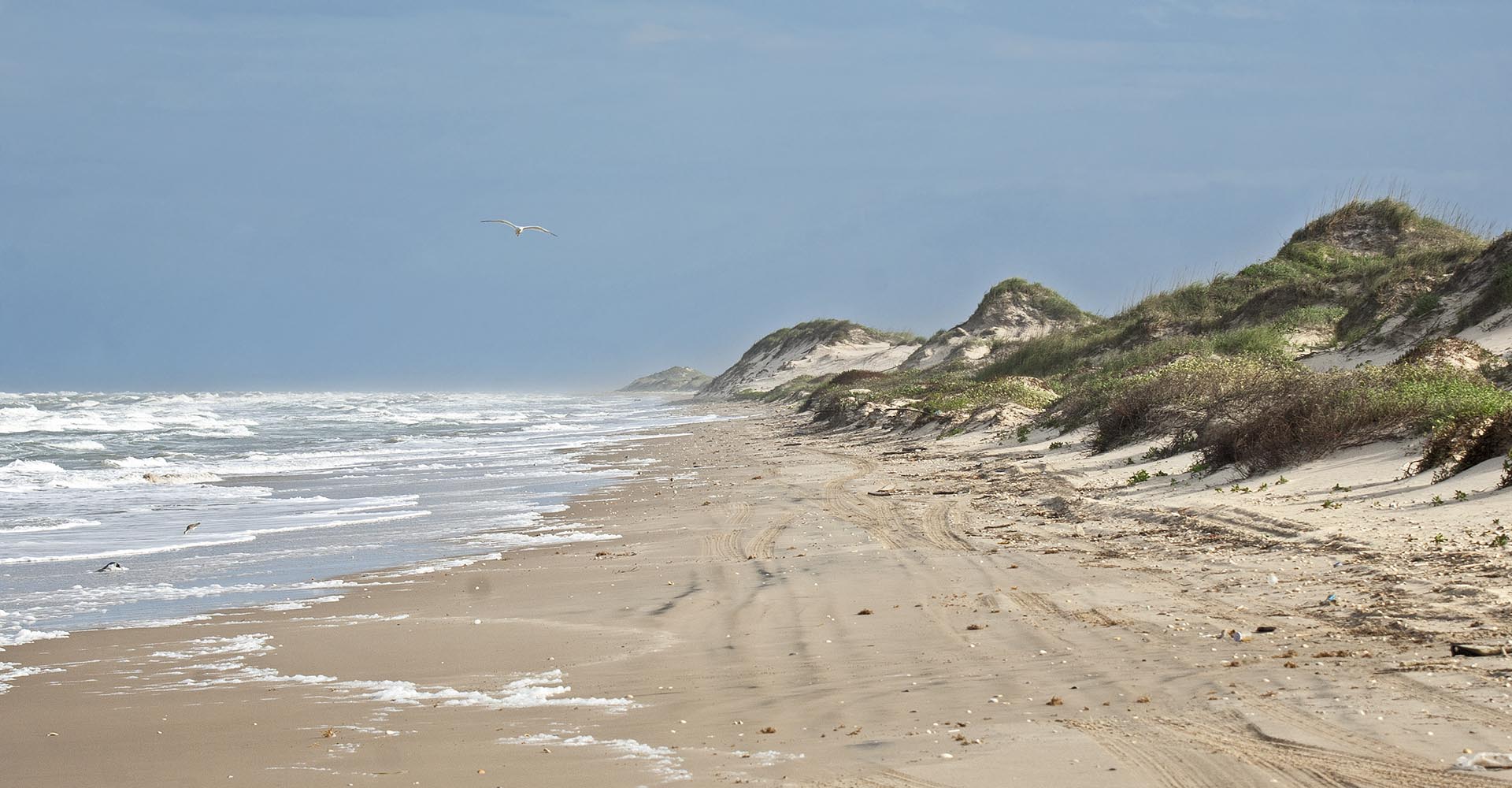
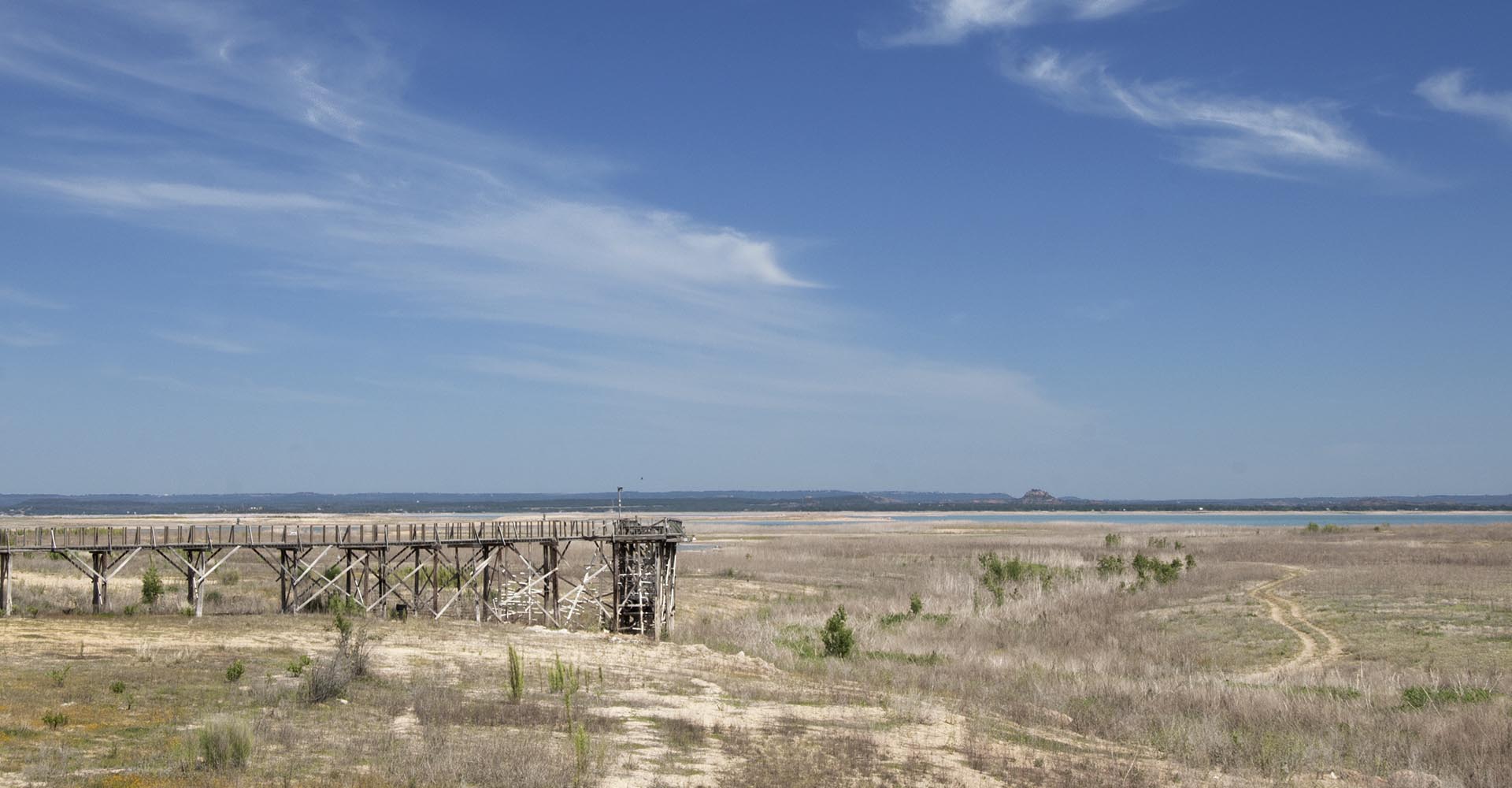
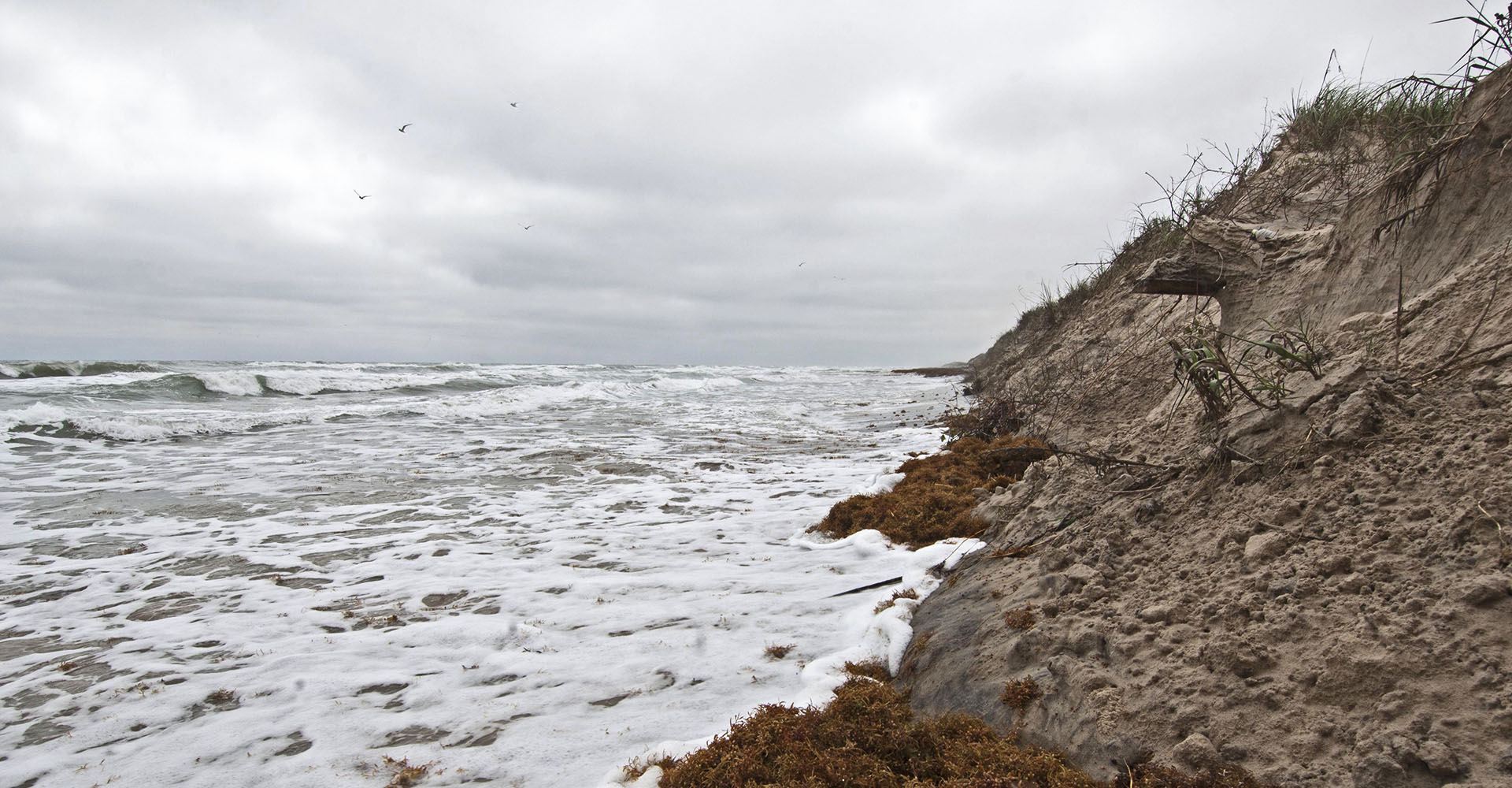
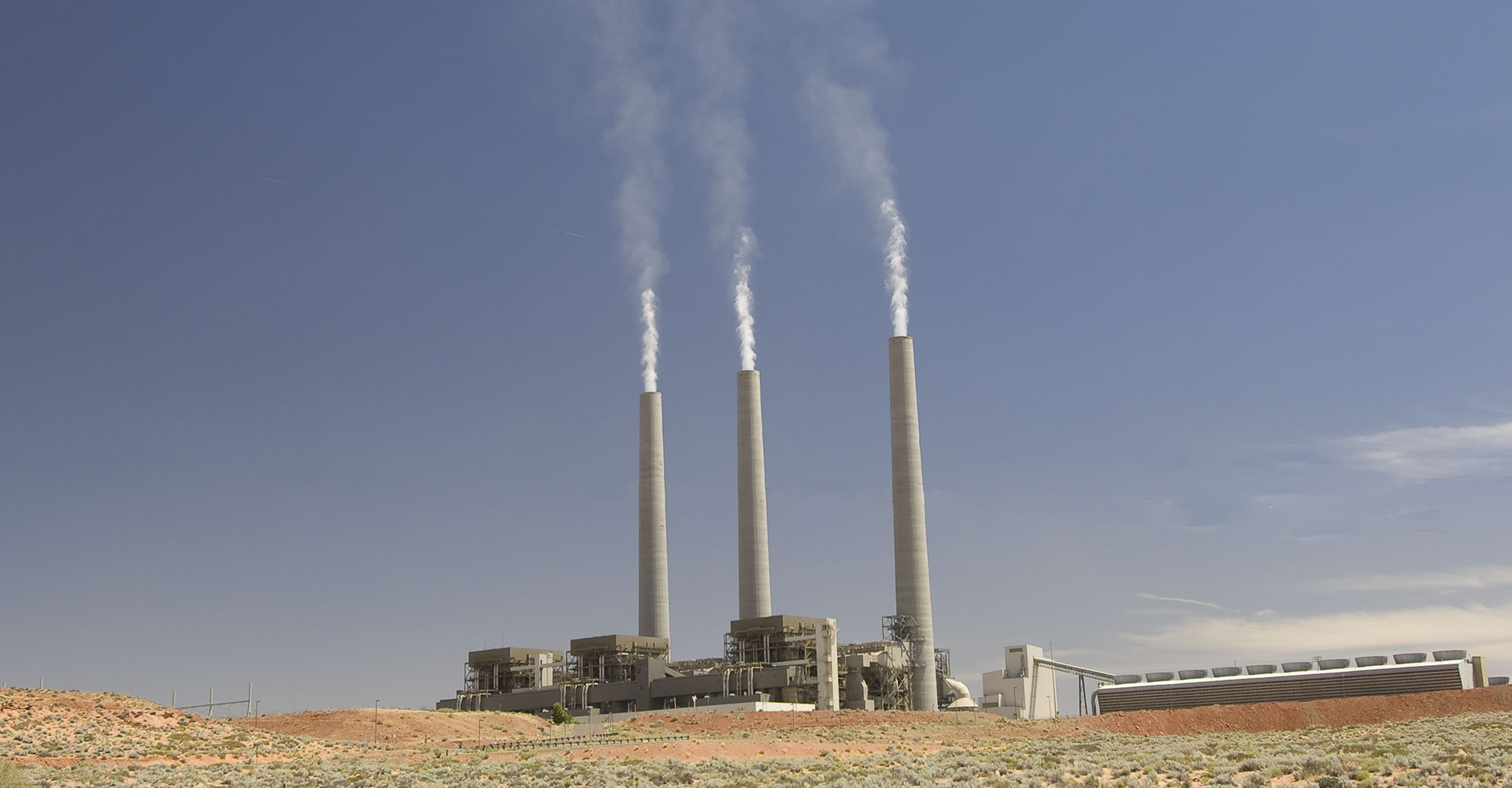
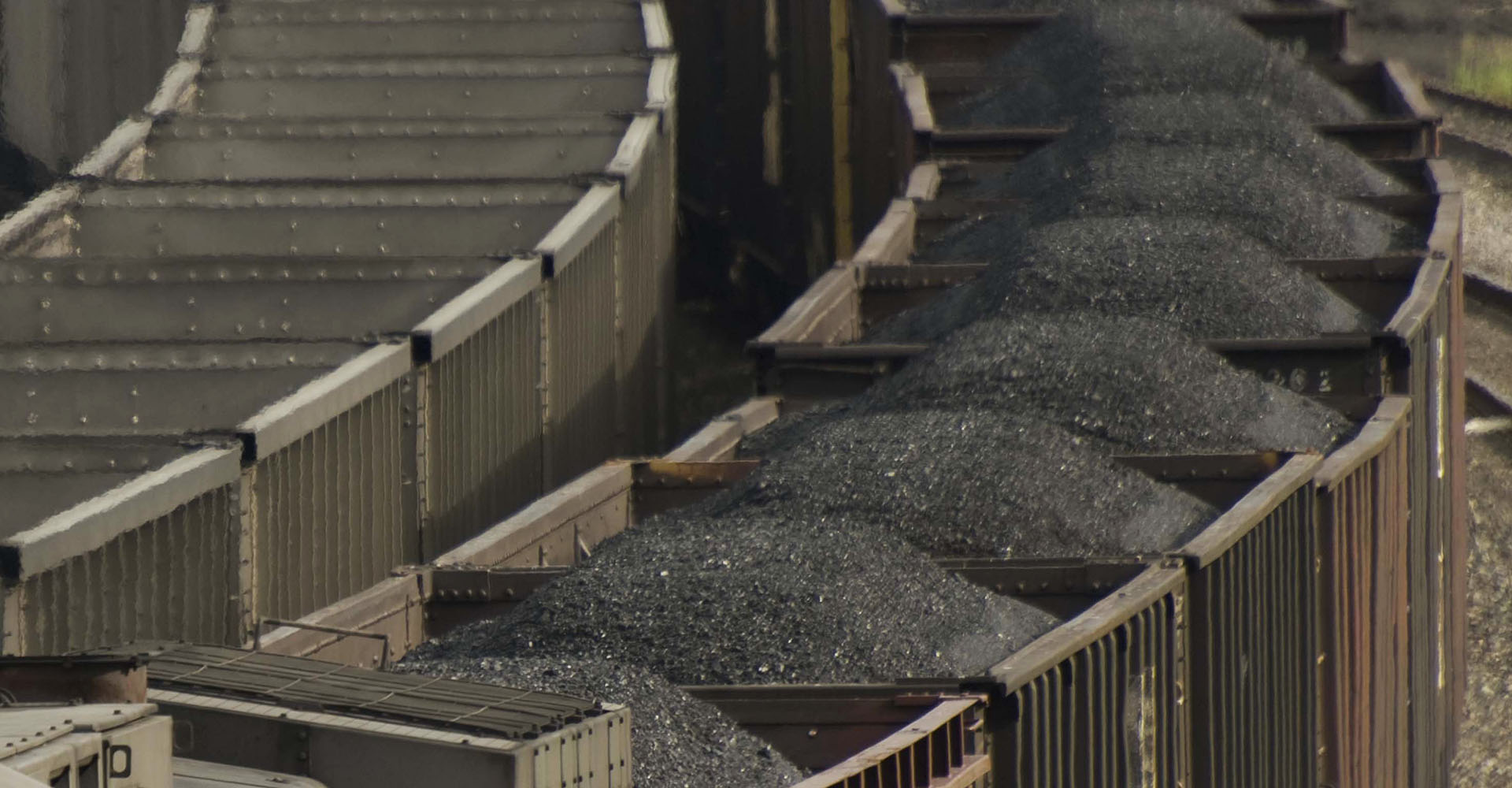
The perceived debate has devastated traditional climate science education The solutions however, are not what they seem New technologies are vastly more cost effective than this "perceived debate" implies Climate Change ... and will get much worse faster Are as bad -or worse- than they seem because of previous delay Impacts are no more costly than what we spend on advertising every year... Solutions Climate Discovery brings you the real science More robust than every before Using plain English The written word For more, swipe on, scroll down or click the menu From the field and from academia Films and music 92 million acres of forest killed: by a native beetle gone berserk because of warming. 500% increase: Greenland ice loss ... in last 10 years. Previously stable beaches already gone ... during normal, non-storm conditions. Research now shows that global cooling smog from coal has masked more than half of current warming that should have already occurred. reveals the masked warming creating more warming than if we did nothing at all. -- when emissions of sulfates cease in the next 20 to 30 years Killing Coal Leave it in the ground Take it out of the sky Hurry... ... We do not have time to wait any longer Climate Discovery and the We make the science clear. Climate Change Now Initiative:

Solutions Our Films In-depth Knowledgebase Galleries Knowledge Base Lines blur between climate change and reality

2 Degrees C., 1 Degree C. or 0 Degrees C.?

By Abrupt changes, Climate Policy, Climate Reform, economics, Forest Mortality, Legacy Policy, Strategy, Temperature

Two degrees C was first suggested as an upper limit to where we should allow our climate to warm by Nordhaus (Yale) in the American Economic Review in 1977 with the justification that this amount of change would exceed the temperature envelope where our mature civilization has developed. Nordhaus cites Sellers 1974 and NCAR 1974…

Read More

Critical Climate Time Frames: New Strategy is Needed

By Abrupt changes, alternatives, Climate Policy, Climate Reform, Negative emissions, Sea Level Rise, Solutions, Strategy

Scientists have been planning for how to implement a transformation to an alternative energy infrastructure for more than several years now. Jacobson 2013, represents years of effort and others have been doing the same. We know how to evolve our energy infrastructure, how long it will take, how much it will cost, and how efficient…

Read More

An Easier Solution to Climate Change

By Abrupt changes, adaptation, aerosols, alternatives, Climate Policy, climate pollutants short-lived, Climate Reform, CO2 Removal and Sequestration, economics, Extreme Weather, in-depth and Popular Press, Sea Level Rise, Shifting Ecology, Strategy, Temperature, What we can do

The driver of our climate system has changed in the last two decades from one that is controlled by annual emissions, to one that is controlled by already emitted CO2. This means that previous strategies to control annual emissions are no longer meaningful and we must now turn our attention to the already emitted climate…

Read More

What is Important and Why? A Zero-Warming Healthy Climate

By Abrupt changes, aerosols, alternatives, Climate Policy, Climate Reform, CO2 Removal and Sequestration, economics, Emissions, Negative emissions, Solutions, Strategy

For 24 years we have been attempting to implement climate reform, but because strategies are complex, controversial and inequitable, we have nothing to show for this effort save a near-failing carbon credit program in the EU. By giving ourselves permission to seek zero warming, we go beyond the failed strategies of the past into a…

Read More

Rain Bombs: Increasing Precipitation Extremes

By Extreme Weather, flood, Impacts, rainfall

Increasing extreme storms are a big deal. Our civil infrastructure design is based on our old climate. Meteorologist across the country have been evaluating the historic record to see exactly how much change has already taken place. Climate modeling is still advancing towards being able to robustly understand exactly how much the most extreme storms will increase in the…

Read More

NOAA — Ice Sheet Collapse in Our Time: Zero Warming Climate Solution

By Abrupt changes, adaptation, Climate Policy, CO2 Removal and Sequestration, Emissions, Emissions Scenarios, ice sheets, in-depth and Popular Press, modeling, Negative emissions, Sea Level Rise, Solutions, West Antarctic Ice Sheet

We have delayed too long and now must urgently reduce the load of warming gases already emitted to our sky. We have been warned this would happen for decades, we just didn’t think it would happen so soon. This is exceedingly bad news, though the good news with climate change is very good indeed. The…

Read More

The Beetles: Eighty-Nine Million Acres of Abrupt Climate Change

By Climate Catastrophes, forest health, Forest Mortality, in-depth and Popular Press, Uncategorized

First published on Truthout February 16, 2016 by Bruce Melton. We were awash for 19 days in a tumultuous sea of mountains and forests, drifting a course through the heart of the US Rockies on a 6,000-mile journey of observation. Our film, What Have We Done, the North American Pine Beetle Pandemic, was released in…

Read More

Saved They Say: Emissions Have Flattened — Climate Mirage

By aerosols, Climate Policy, CO2 Removal and Sequestration, Emissions, ice sheets, Negative emissions, Sea Level Rise, West Antarctic Ice Sheet

And they also say that Elvis is not dead. But alas… the answer is no, we are not saved. Things are actually getting worse because of the so-called “flattening emissions.” This needs to be said over and over: the only way to treat the vast amount of long-lived warming pollutants already emitted into our sky…

Read More

Sea Level Rise 500 BC to 2000: The Sea Level Rise Hockey Stick

By Abrupt changes, Beach Report, Beaches coastal, Oceans, Sea Level Rise

The Devil’s Elbow, Padre Island National Seashore. This is that point where the Texas Coast trends from Northeast to south; the big bend of coastal Texas. “The oceans are rising the beaches decree. Gonna get covered up by the sea. Tide gauges say what we can’t see. The oceans are rising the beaches decree.” Beaches…

Read More

The Beetles: 6,000 Miles of Climate Change — Long Version

By Abrupt changes, Drought, forest health, Forest Mortality, Impacts, pine beetle, Shifting Ecology, Vegetation Response

This is the original long version with much more detail and all of the destinations and forest health descriptions along the 6,000 mile route. The abbreviated  2,000 word version was published on Truthout on February 16, 2016 is here. We were awash for 19 days in a tumultuous sea of mountains and forests, drifting a course through the heart…

Read More

Climate Change 2015: The Latest Science

By aerosols, Climate Policy, climate pollutants short-lived, CO2 Removal and Sequestration, Emissions, Gulf Stream, ice sheet, in-depth and Popular Press, Negative emissions, Solutions, submarine channel, underice, West Antarctic Ice Sheet

First published on Truthout December 26, 3015, by Bruce Melton. Climate science is way out in front of climate policy. Commitments at the United Nations Climate Conference in Paris pale in comparison to those from the Kyoto Protocol with its beginnings in the Rio Earth Summit in 1992. The cheap and unambiguous solution of removing CO2…

Read More

More on the Shutdown of the Gulf Stream

By Abrupt changes, Gulf Stream, ice sheet, ice sheets, Impacts, Oceans

Dansgaard Oeschger climate variability, more easily remembered as abrupt climate change, has been known from across the world through numerous lines of investigation since the early 1990s. This research greatly increases the robustness of the theory that a freshwater cap in the far North Atlantic from melting ice plays a significant role in abrupt change….

Read More

A Generation of Delay: Climate Policy Is 20 Years Behind

By Abrupt changes, aerosols, alternatives, Climate Policy, CO2 Removal and Sequestration, Deniers and Delayers, in-depth and Popular Press, Negative emissions, Psycho, Solutions

First Published on Truthout, December 4, 2015 The perceived debate on climate change has discredited traditional climate science communications to such an extent that we are just now implementing policies developed during the Kyoto Protocol era that began in 1992. New climate science knowledge is simply not making it out of academia and into public…

Read More

Legacy Climate Policy: The Scale of the Current Science and Need for DAC

By Climate Policy, CO2 Removal and Sequestration, Emissions, in-depth and Popular Press, Myths, Negative emissions, Solutions, Uncategorized

In the run up to the Paris climate talks, current policy is far behind. Virtually unknown is science stating that the solutions to treating climate pollution are simple, cheap and radically change a generation of policy we are currently trying to implement. Legacy climate policy being enacted today, and proposed at the Paris climate talks is…

Read More

Godzilla Niño and the Blob: How Weather Cycles and Ocean Temperatures Mask Global Warming

By Gulf Stream, in-depth and Popular Press, Oceans, pause hiatus, Temperature, Uncategorized

First published on Truthout: October 4, 2015. Over 20 years after a global consensus of earth scientists at the Rio Earth Summit first suggested we control carbon dioxide emissions to prevent dangerous climate change, the United States has finally acted. This is excellent news for 20 years ago but today, Kyoto V2 (the EPA’s Clean…

Read More

New Website and a Backlog of Posts

By Uncategorized

Welcome to the 21st Century as the band’s song says, only this is about a new website for Climate Change Now and Climate Discovery. We have migrated to Climate Discovery.org, so your old links may be funky, hopefully not. We still own the .com and have it redirected it to .org. It’s been a busy…

Read More

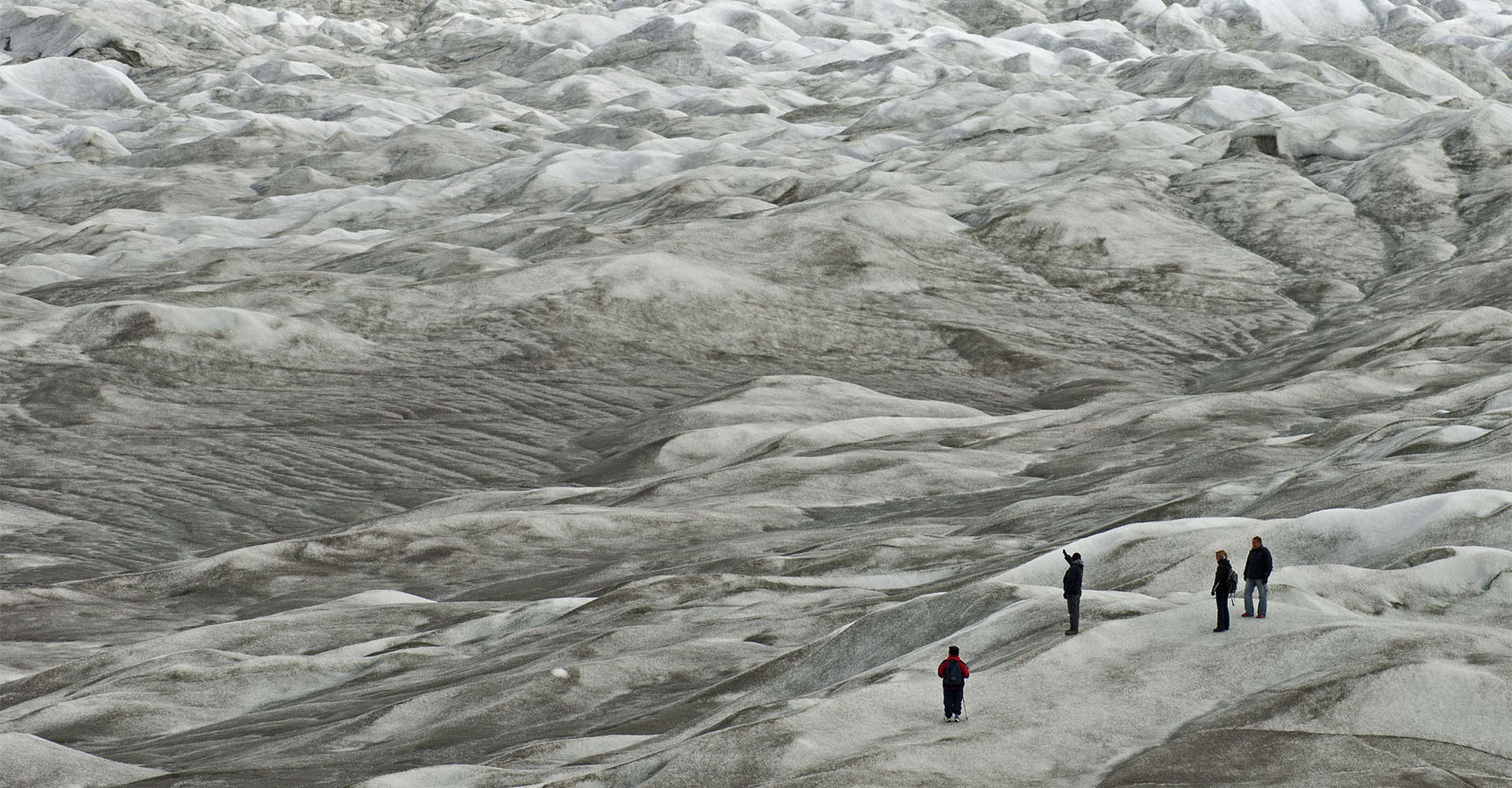
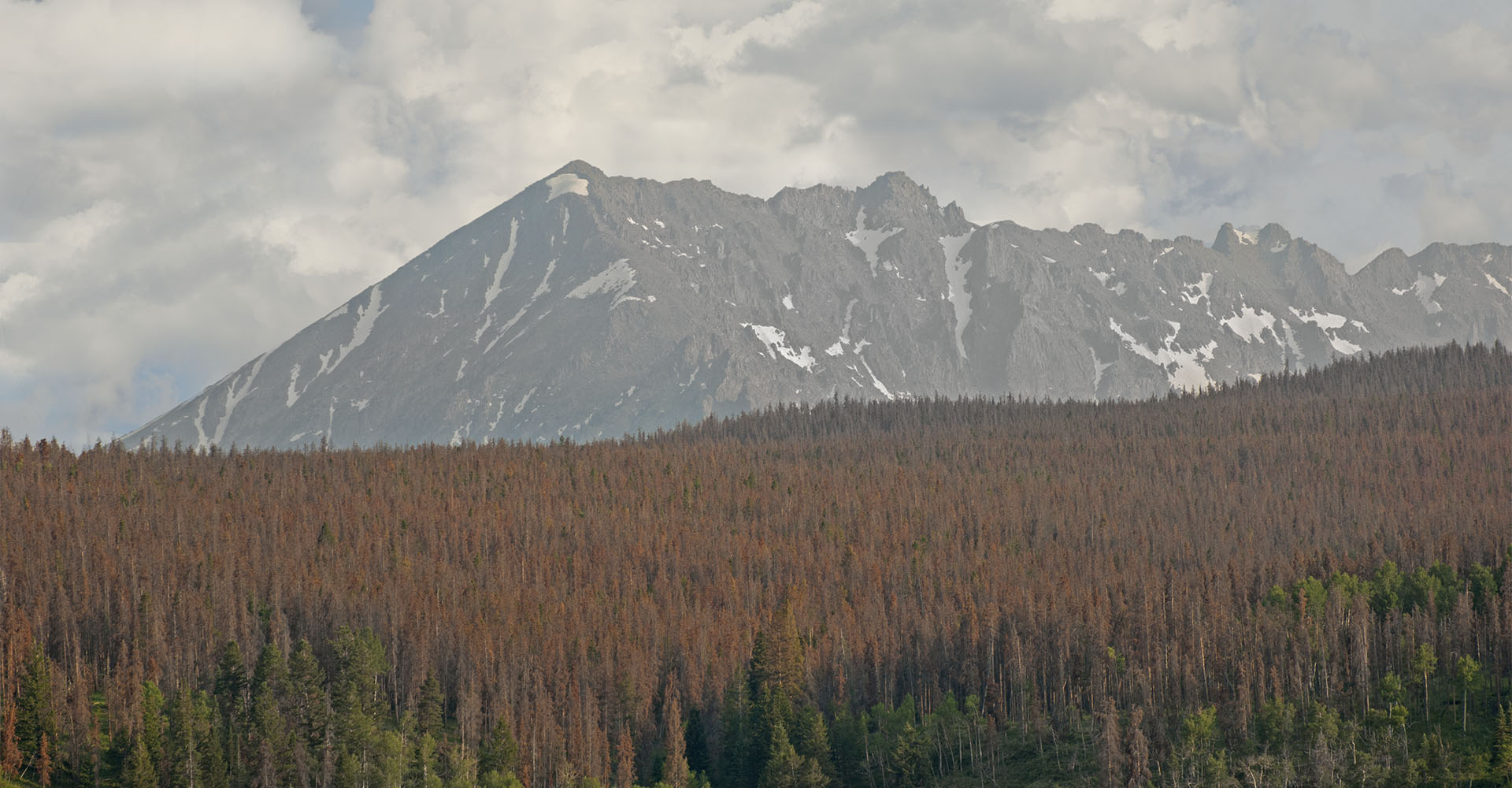
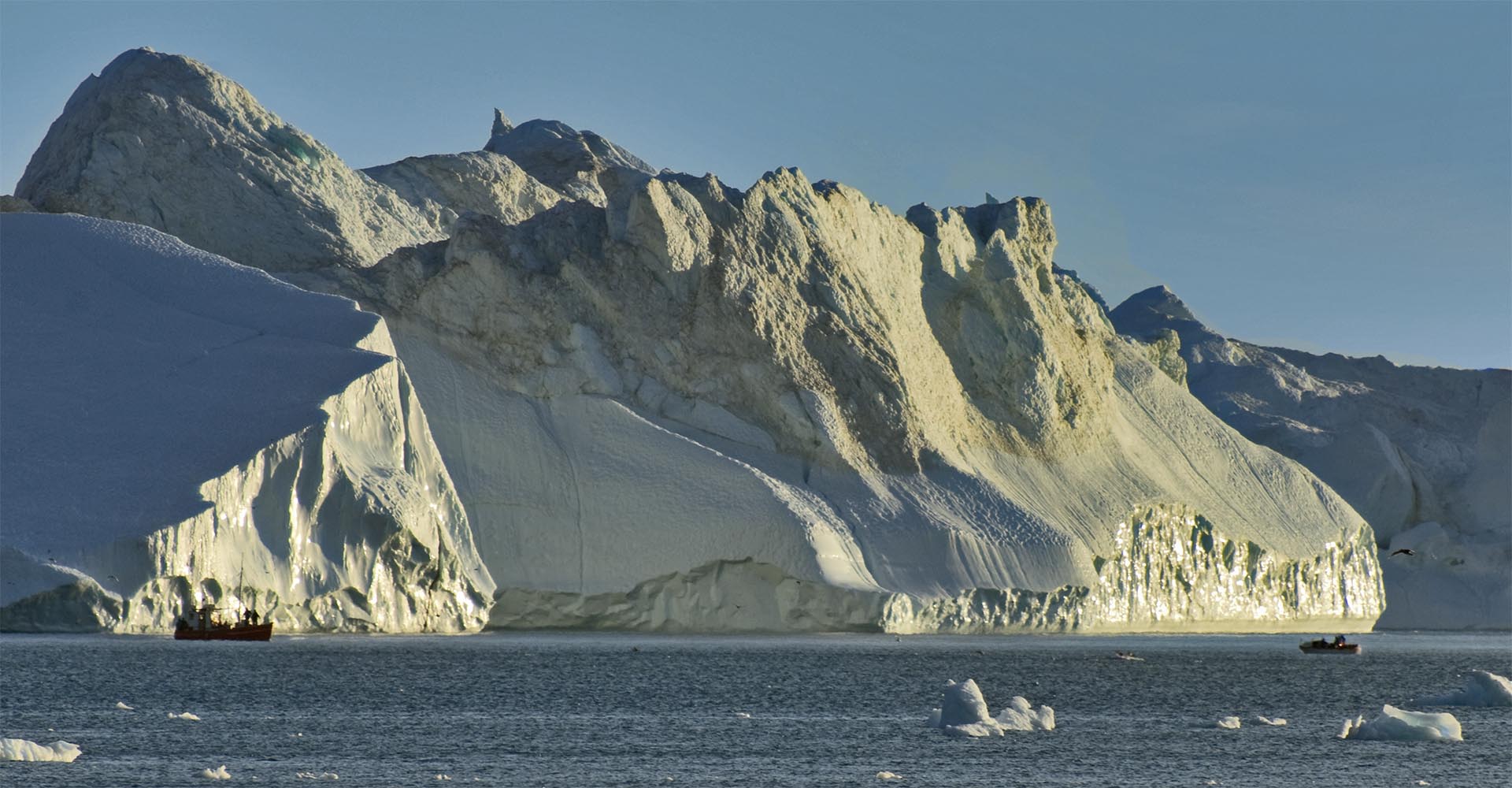
Red kill: Rocky mountain pine bark beetle, Steamboat Lake, Colorado Red kill: Rocky mountain pine bark beetle, Silverthorne, Colorado Red kill: Rocky mountain pine bark beetle, Rocky Mountain National Park, Colorado. Red kill: Rocky mountain pine bark beetle, North of Steamboat Springs, Colorado Pitch tubes: A tree's only defense against bark beetles. Pheromones, or natural beetle hormones, both attract and repel beetles and can be used as defense. Pesticides work too, but application timing is critical and spraying the world is likely improbable. Gray kill: During the first three years needles are bright red, brown and then fall off entirely. Only cold of -20 to -40 straight, in early and in mid winter respectively, can kill the beetle. Those temperatures disappeared about the turn of the 21st century. In areas of human occupation, dead trees become falling hazards quickly and must be removed. Blue slashes and flagging mark trees to be cut. These are white bark pine in Yellowstone National Park. Logged beetle kill, Prospector Campground, Dillon Reservoir, central Colorado. for up to about five years the dead wood can be used for lumber early and pelletized fuel late. After that the tops of the trees are too brittle and fall on logging machinery and loggers. Red kill: Rocky mountain pine bark beetles once attacked mostly lodgepole pines like these in Rocky Mountain National Park. Now there are so many beetles they are attacking even spruce trees. The scale of the kill is immense at more than 20 times greater than anything before. The attack is at 92 million acres.For comparison, Yellowstone is two million acres. Permafrost melt, Denali Highway, Alaska. Tree kill from soil saturation due to melted permafrost. East of Fairbanks, Alaska. Permafrost meltwater pool and drowned trees near Chena, Alaska. Permafrost meltwater ponds, Denali Highway, Alaska. Permafrost meltwater pond, Fairbanks, Alaska (within city limits). A meltwater river flows from beneath the Greenland Ice Sheet. The dark ice is dust from eons of accumulation and surface melt. Ice loss in Greenland has increased over 500 percent in ten years. Surface melting creates a very rough, surface where accumulated dust does not wash away. These drifts are solid ice. Around the perimeter of the ice sheet at low elevations the ice is melting tens of feet per year or more. The scale of melt is immense. This moraine is 100 feet high and the ice once towered over it. The ice flows in rivers and tongues and colder, drier times with more dust can be seen in the layers of older ice, closer to the edge. Also note how much lower the surface is than the moraines deposited along the margins of the ice. Most of this melt is recent as the ice has been in equilibrium since the Little Ice Age that ended 150 to 200 years ago. Less than a mile from its edge the ice sheet can be 1,000 feet tall. At it's center it is 11,000. The calving face of the ice sheet can be over 200 feet tall. The light is fantastically ever changing. Ilulissat Icefjord: Millions of icebergs , five times more than at the turn of the century, pour through Greenland's icefjords. Meltwater drains to the bottom of the ice sheet through holes, or moulins. There it lubricates the flow of the ice sheet, further increasing discharge of bergs. Bubbles of ancient air trapped in the ice have confirmed many hypothesis about how and when our climate has radically changed before. Bergs calve like thunder from massive ice cliffs at all hours of the day. Beach erosion is rapidly accelerating on Padre Island. Mile 30 beyond the 4x4 only sign. This beach was once 200 to 300 feet wide. Padre Island National Seashore, mile 7. Most of the erosion has been recently. Mile 50, Padre Island National Seashore. Padre Island is sinking naturally with little man made subsidence, but before the turn of the 21st century, it wasn't enough to cause massive beach erosion. Sand starvation from inland reservoirs plays a role too, but historically these beaches have been stable. South Padre Island has a little more trouble with more sand starvation from the Rio Grande and less rainfall to grow stabilizing dune grasses. Here, in places erosion is extreme. this is high tide, non-storm conditions. Several places along South Padre have been eroding more or less since the dams went up on the Rio Grande, but since the turn of the century the rate has likely increased significantly. October 2014, King tide, biggest tide of the autumn. Again in 2014, no storms of any consequence on the Texas Coast. Erosion down by the Mansfield jetties is much greater than in 2013. The worst on North Padre in 2013 was a few miles from the Mansfield Pass jetties in the sand starvation zone. The beach has never been wide here and during storms is often the first to erode. But normally, the beach builds back. This erosion is happening in non-storm conditions. At times the four-wheel drive trail is challenging. South Padre, Mile 13 beyond end of pavement. This is the first stage of barrier island disintegration. The beach goes first. The beach protects the dunes, which in turn protect the rest of the island.